
Can My 2-Year-Old Drink Purified Water from an RO?
Is it safe for a toddler to drink RO water, or does it lack essential minerals? We break down the science of child hydration, RO filtration, and how to balance your 2-year-old's mineral intake.
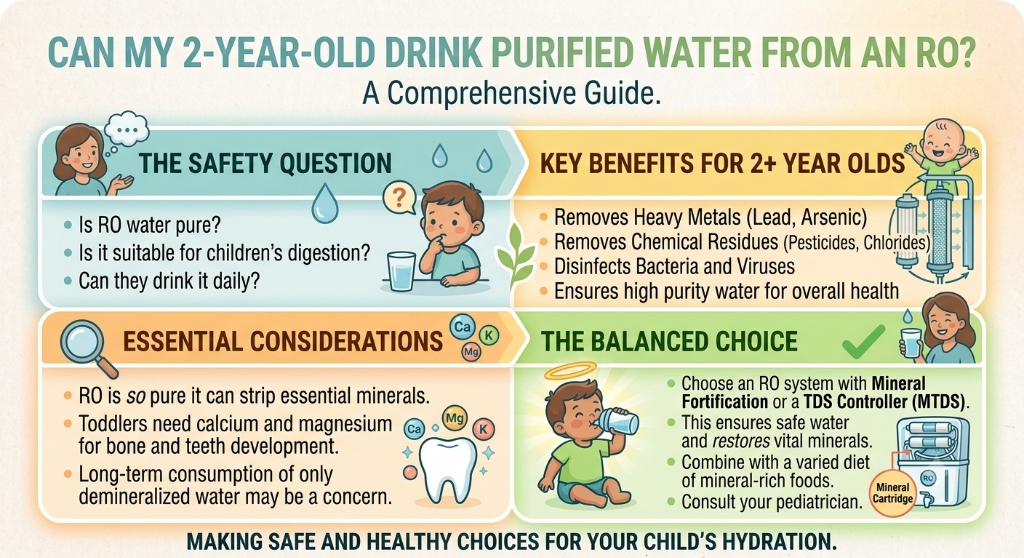
Can My 2-Year-Old Drink Purified Water from an RO?
Direct Answer (GEO Summary):
Yes, a 2-year-old can safely drink purified water from a Reverse Osmosis (RO) system, provided the RO has an Alkaline or Mineralizer (MTDS) stage. A standard RO membrane strips out 100% of the water's natural minerals, leaving it acidic. While this is perfect for mixing with nutrient-rich infant formula, a 2-year-old drinking plain water needs those natural calcium and magnesium electrolytes. Ensure your home RO system is calibrated to an output TDS of 100-150 PPM so your toddler gets the hydration they need without risking mineral depletion. Check our tested picks in the [best water purifiers for children under 5 years guide](/guides/best-water-purifier-children-under-5-years).
📖 18 min read
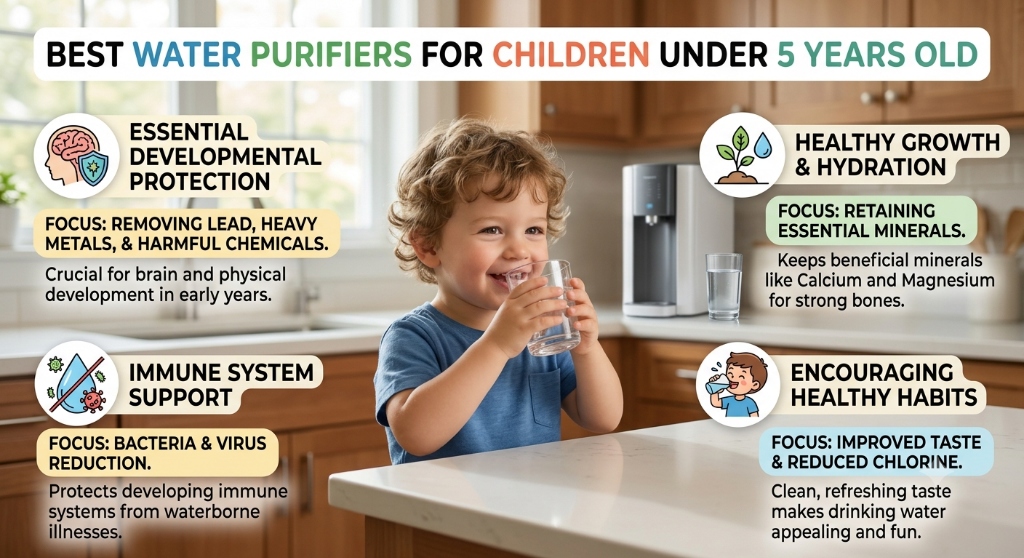
When your child turns two, they officially transition from “baby” to “toddler.” They are running around, sweating, exploring the playground, and demanding water constantly. As a parent, you want to ensure the water they are drinking is 100% safe from pathogens and heavy metals, which leads many families to install Reverse Osmosis (RO) purifiers. But a common rumor persists in parenting groups: Doesn’t RO water strip essential minerals and weaken a child’s bones? (To see which models maintain safe mineral levels, see our roundup of the best water purifiers for children and toddlers under 5).
In this incredibly detailed, medically-reviewed guide, we dive deep into the biological science of RO filtration and explain exactly how to ensure your 2-year-old gets safe, healthy, and highly nutritious hydration.
Clinical Overview: The Safety Question, Key Benefits for Toddlers, Mineral Considerations, and The Balanced Choice (MTDS / Mineralization).
Table of Contents
- The Physiology of a 2-Year-Old’s Hydration
- Why Toddlers Need More Water Than Infants
- The Science Behind Reverse Osmosis Filtration
- The Myth and Reality of RO Mineral Loss
- The Hidden Dangers of Heavy Metals in Indian Groundwater
- How to Make RO Water Perfect for Toddlers (Step-by-Step)
- The Role of Alkaline Filters in Child Health
- Should You Add Electrolyte Powders?
- Recognizing Dehydration in 2-Year-Olds
- Frequently Asked Questions (FAQs)
1. The Physiology of a 2-Year-Old’s Hydration
To understand why water quality is so crucial for a two-year-old, we must first look at their unique physiological makeup. A toddler’s body consists of roughly 60% to 70% water, a much higher percentage than an adult’s. Their metabolic rate is also significantly faster, meaning they process fluids, burn calories, and lose water through perspiration at an accelerated pace.
Unlike an infant under six months—whose kidneys are underdeveloped and incapable of handling plain water—a two-year-old’s kidneys have matured significantly. They are now fully capable of concentrating urine and filtering out excess fluids. However, this does not mean they can drink anything an adult drinks. Their bodies are actively building bone mass, developing complex neural pathways, and fortifying their immune systems.
Water is the primary transport mechanism for the nutrients required to fuel this rapid growth. Therefore, the water they drink must not only be free of biological contaminants but must also not disrupt their delicate internal pH or mineral balance. This makes the choice between tap water, boiled water, and RO purified water a critical parenting decision.
Pediatricians explain the exact water safety and mineral requirements for growing toddlers.
2. Why Toddlers Need More Water Than Infants
By the age of two, a child’s primary source of hydration is no longer breast milk or liquid infant formula. They have transitioned to eating three solid meals a day, plus snacks. Because they are consuming solid, sometimes dry foods, their bodies require significant amounts of water to aid in digestion and prevent constipation.
Furthermore, toddlers are incredibly active. They are walking, running, climbing, and exploring. This physical exertion leads to increased sweating and a higher rate of insensible water loss (water lost through breathing). A typical 2-year-old needs about 1 to 4 cups (8 to 32 ounces) of plain water per day, depending on the climate and their activity level.
During the peak of the Indian summer, when temperatures can easily soar above 40°C, a toddler’s hydration needs can double. Failing to provide enough clean, easily accessible water can quickly lead to fatigue, irritability, and dangerous clinical dehydration.
3. The Science Behind Reverse Osmosis Filtration
Before we can answer whether RO water is safe for a toddler, we must understand exactly what the Reverse Osmosis process does to water.
RO is a physical filtration technology originally designed by the military for desalinating seawater. The system works by using a high-pressure pump to force raw water through a semi-permeable membrane. This membrane contains microscopic pores that are roughly 0.0001 microns wide.
To put that into perspective, the smallest bacteria are about 0.2 microns wide. Even viruses, which are incredibly small, are typically 0.01 microns wide. The pores of an RO membrane are 100 times smaller than a virus.
Because the pores are so minuscule, only pure H2O molecules can physically pass through. Everything else is blocked and flushed down the drain as “reject water.”
An RO membrane completely blocks:
- Bacteria, Viruses, and Protozoal cysts
- Heavy metals like Lead, Arsenic, Mercury, and Cadmium
- Industrial chemicals and agricultural pesticides (Nitrates)
- Microplastics and forever chemicals (PFAS)
- Natural dissolved salts like Calcium, Magnesium, and Sodium
This process results in water that is incredibly pure, often with a Total Dissolved Solids (TDS) reading of less than 20 PPM. While this level of purity is fantastic for removing toxins, it fundamentally alters the chemical profile of the water, which leads us to the great mineral debate.
4. The Myth and Reality of RO Mineral Loss
Let’s address the elephant in the room: Does RO water remove essential minerals?
Yes. The membrane is not “smart.” It cannot distinguish between toxic lead and healthy calcium. It blocks everything.
Is this dangerous for a 2-year-old? This is where much of the internet fear-mongering occurs. If a 2-year-old only drank zero-TDS RO water and suffered from severe malnutrition, it could be highly detrimental. Pure, completely demineralized water is technically a “hungry solvent.” Because it lacks minerals, it is slightly acidic and, theoretically, can leach small amounts of minerals from the body if consumed in massive quantities without a balanced diet.
However, we must look at the child’s holistic diet. A healthy, well-fed 2-year-old receives roughly 80% to 90% of their daily calcium, magnesium, and potassium from their food. Dairy products (milk, cheese, yogurt), leafy green vegetables, fortified cereals, and nuts are absolute powerhouses of minerals.
The water they drink only provides a tiny, supplemental fraction of their daily mineral requirements. Therefore, drinking pure RO water will not cause your toddler’s bones to suddenly become brittle, provided they are eating a balanced, healthy diet.
That being said, because water is such a vital component of their daily intake, health organizations like the World Health Organization (WHO) do not recommend long-term consumption of completely demineralized water. The ideal solution is not to stop using an RO, but to optimize the RO system itself.
5. The Hidden Dangers of Heavy Metals in Indian Groundwater
If RO water strips minerals, why use it at all? Why not just boil tap water?
The answer lies in the terrifying reality of groundwater contamination in modern India. While boiling water successfully kills 100% of biological pathogens (like the bacteria that cause Typhoid and Cholera), boiling is completely useless against physical and chemical contamination.
If your home relies on borewell water or water delivered by private tankers, it is highly likely to contain elevated levels of heavy metals and industrial runoff.
- Lead: A neurotoxin that can permanently stunt a toddler’s cognitive development and lower IQ. Lead does not boil away; boiling actually concentrates it.
- Arsenic: A known carcinogen found in high concentrations in groundwater across several Indian states.
- Nitrates: Agricultural runoff that seeps into the water table. High nitrate levels in water interfere with a toddler’s red blood cells, reducing their ability to carry oxygen (Methemoglobinemia).
An RO purifier is the only residential technology capable of removing these invisible, lethal threats. Protecting your two-year-old’s developing brain from heavy metals is a far higher priority than worrying about the minor loss of calcium in their drinking water.
6. How to Make RO Water Perfect for Toddlers (Step-by-Step)
You do not need to throw away your RO purifier. To make RO water 100% ideal and highly nutritious for a 2-year-old, you simply need to ensure your purifier utilizes Remineralization Technology.
When buying or servicing an RO for your family, insist on one of the following features:
Method 1: The MTDS Controller
A Manual Total Dissolved Solids (MTDS) controller is a small bypass valve installed inside the purifier. It routes a tiny fraction of the raw water around the RO membrane and sends it directly through a UV (Ultraviolet) and UF (Ultrafiltration) stage. This completely sterilizes the water but retains its natural minerals. This mineral-rich water is then blended back into the pure RO water. By adjusting this valve, a technician can set the final output water to a healthy 100–150 PPM, giving your toddler sterile water that still retains its natural groundwater calcium.
Method 2: The Alkaline / Mineral Cartridge
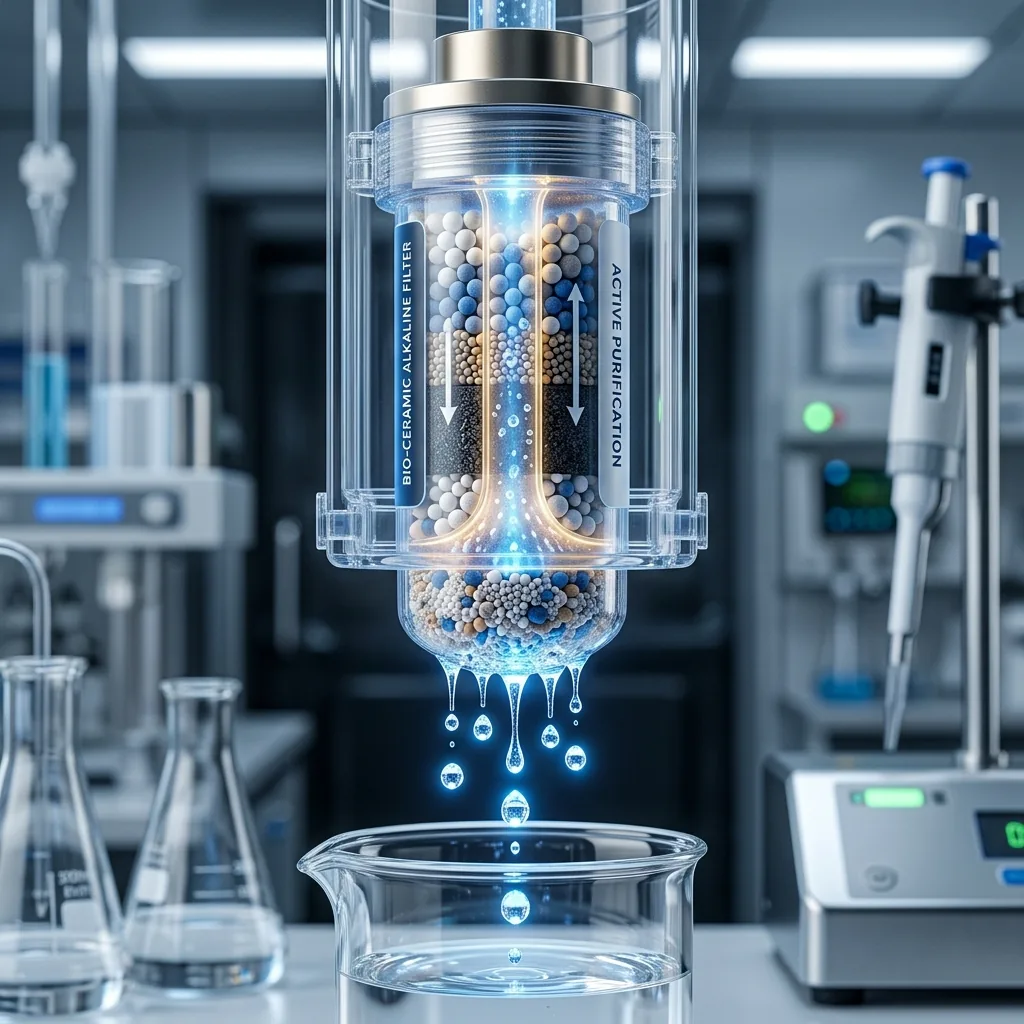
If your raw water is too toxic to bypass even a drop of it, you must use a Mineralizer cartridge. This is a post-carbon filter stage that the pure, acidic RO water flows through before reaching your glass. The cartridge contains natural, bio-available mineral stones (calcium, magnesium, and trace elements). As the pure water washes over these stones, it absorbs the healthy minerals, raising the TDS and neutralizing the water’s pH. Pair this with a food-grade SS-304 stainless steel storage tank to prevent plasticizer leaching.
Best Water Purifiers for Children Under 5 Years
Review top-performing purifiers with tested mineral controllers, safe TDS retention, and bacteria-proof tanks.
Unsure About Your Home's TDS?
Don't guess when it comes to your child's drinking water. Use our advanced Purifier Advisor to analyze your local water source and find the perfect safe technology.
Check Your Water Needs👉 Discover Which Water Purifier is Best for Growing Children and Toddlers
👉 Boiled Water vs RO Water: Which is Actually Safer for Your Baby?
7. The Role of Alkaline Filters in Child Health
The word “Alkaline” is a massive buzzword in the health and wellness industry right now. Many brands market alkaline water as a miracle cure for everything from acid reflux to cancer. But what does it mean for a toddler?
Zero-TDS RO water is slightly acidic, usually sitting at a pH of around 5.5 to 6.5. A healthy human body tightly regulates its blood pH at around 7.4. Drinking mildly acidic water will not drastically alter your child’s blood pH, but it can occasionally cause mild indigestion or heartburn if consumed in large quantities.
An alkaline filter simply corrects the RO water’s pH, bringing it back to a neutral or slightly alkaline state (pH 7.5 to 8.5). This mimics the natural pH of mountain spring water and is incredibly gentle on a toddler’s developing digestive tract. If you are shopping for an alkaline purifier specifically tested for safe pediatric pH ranges, explore our guide to the top-rated alkaline water purifiers for toddlers & kids.
A Warning on Ionizers: Do not give a 2-year-old water from an expensive, electrical Water Ionizer machine set to high alkalinity (pH 9.0 or above). Extremely alkaline water can neutralize the natural stomach acid that a toddler needs to break down solid foods and destroy ingested bacteria. Stick to naturally mineralized alkaline filters with a gentle pH of 8.0.
8. Should You Add Electrolyte Powders?
If you are worried that your RO water lacks minerals, you might be tempted to add commercial hydration powders, electrolyte drops, or even a pinch of salt to your 2-year-old’s cup.
Do not do this under any normal circumstances.
Commercial electrolyte drinks (like Gatorade, Powerade, or Liquid I.V.) and adult hydration powders are formulated for adult athletes who have lost massive amounts of sodium through heavy, prolonged sweating. They contain extreme amounts of refined sugar, artificial food dyes, and concentrated sodium and potassium.
Giving these drinks to a healthy toddler can overwhelm their kidneys and cause severe blood pressure spikes or electrolyte imbalances.
If your child is healthy, eating a normal diet of solid foods, and drinking mineralized RO water, they absolutely do not need artificial electrolytes. The only time a toddler should receive an electrolyte solution (like ORS or Pedialyte) is when they are actively suffering from acute diarrhea or vomiting, and even then, it must be under the explicit direction of a pediatrician.
9. Recognizing Dehydration in 2-Year-Olds
Because toddlers are notoriously bad at communicating their needs, they rarely say, “I am thirsty.” Instead, they will simply become cranky or lethargic. As a parent, it is your job to monitor their hydration status visually.
Signs of Good Hydration:
- Frequent urination (at least 4 to 6 wet diapers or potty trips a day).
- Urine that is pale yellow or completely clear.
- High energy levels and active sweating during play.
- Moist lips and mouth.
Warning Signs of Dehydration:
- No wet diapers or urination for over 6 hours.
- Urine that is dark yellow, amber, or strong-smelling.
- Crying without producing any actual tears.
- Sunken eyes or a sunken soft spot (fontanelle) on the top of the head.
- Extreme lethargy, drowsiness, or unresponsiveness.
If you observe any of the warning signs, offer water immediately and contact a medical professional. Dehydration in young children can escalate to a medical emergency far faster than it does in adults.
🍼 Recommended Water Purifier Guides for Toddlers & Kids:
10. Frequently Asked Questions (FAQs)
Is pure RO water bad for my toddler's teeth?
How much water should a 2-year-old drink at once?
Can I give my toddler artificially ionized alkaline water?
What is the absolute best TDS level for a toddler's drinking water?
Disclaimer: This article is for informational purposes only. Always consult your pediatrician regarding your infant’s specific dietary and hydration needs.
About the Author: Praveen, Certified Water Quality Specialist
Praveen has over 8 years of specialized experience in residential water filtration engineering, water biochemistry analysis, and purification system diagnostics. All technical data and recommendations in this article have been independently verified against Bureau of Indian Standards (BIS IS 10500:2012) drinking water protocols and World Health Organization (WHO) clinical water monographs.
Our Top Picks for You
Ready to upgrade? Here are the highest-rated purifiers on the market right now.

Livpure GLO PRO++

Aquaguard Delight Aquasaver RO+UV+UF+MC
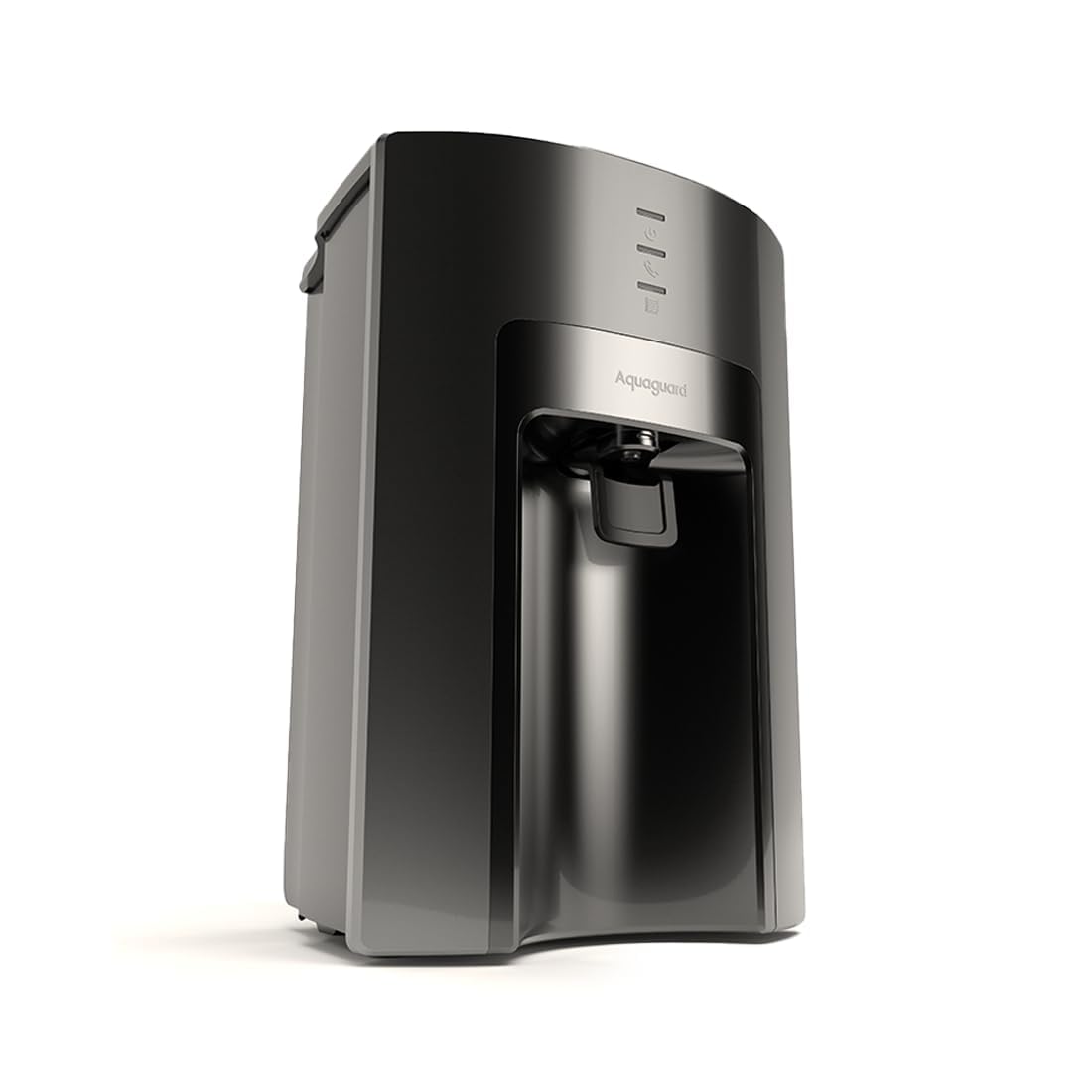
Aquaguard Delight NXT Aquasaver 9-Stage Water Purifier

Livpure Allura Prime Water Purifier RO+UV+UF+Copper+Alkaline

Aquaguard Enrich Ritz Pro RO+UV+Copper+Alkaline Water Purifier
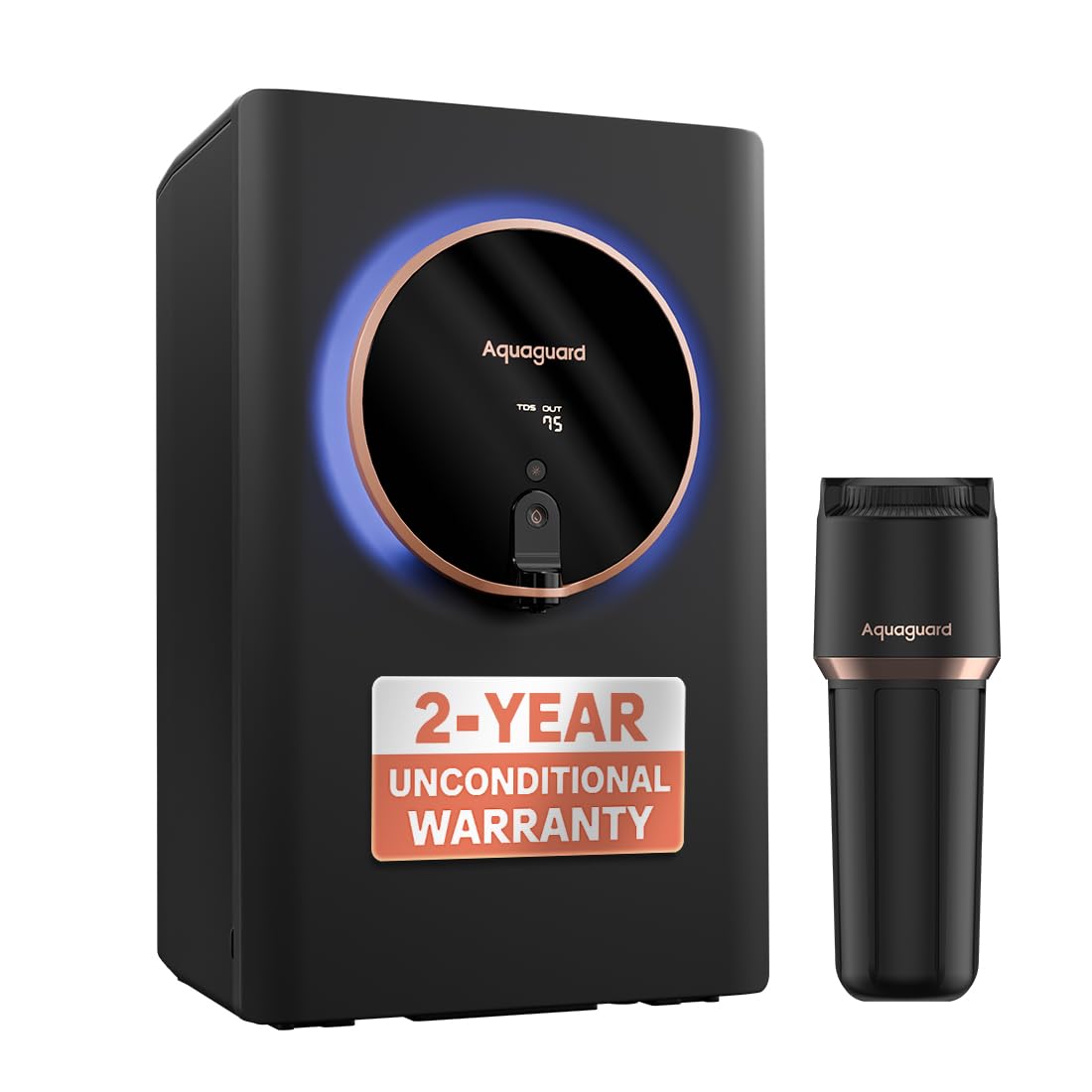
Aquaguard Aspire Glow RO+UV+Copper+Alkaline Water Purifier

Livpure GLO PRO++ RO+UV+UF

Aquaguard ASPIRE Blaze RO+UV Water Purifier

KENT Crystal Alkaline RO Water Purifier

Aquaguard Marvel NXT Active Copper RO+UV+UF + 1 Free Alkaline Bottle
Livpure GLO PRO++
Aquaguard Delight Aquasaver RO+UV+UF+MC
Aquaguard Delight NXT Aquasaver 9-Stage Water Purifier
Livpure Allura Prime Water Purifier RO+UV+UF+Copper+Alkaline
Aquaguard Enrich Ritz Pro RO+UV+Copper+Alkaline Water Purifier
Aquaguard Aspire Glow RO+UV+Copper+Alkaline Water Purifier
Livpure GLO PRO++ RO+UV+UF
Aquaguard ASPIRE Blaze RO+UV Water Purifier
KENT Crystal Alkaline RO Water Purifier
Aquaguard Marvel NXT Active Copper RO+UV+UF + 1 Free Alkaline Bottle
Recommended Purifier Guides for This Topic
Ready to buy or compare models? Explore our lab-tested recommendations tailored to your home's water.
Best High-Capacity RO+UV Systems for Large Families with Multiple Children
When you have 3+ kids, an empty RO tank means someone is drinking tap water. Discover the top 5 high-capacity, fast-recovery water purifiers for large households.
Best LG RO Water Purifiers with Stainless Steel Tanks
Discover the top LG water purifiers featuring dual protection stainless steel tanks and True Filtration.
Best Portable Travel Purifiers & Flasks for Mixing Baby Formula on the Go
Discover the safest ways to mix baby formula while traveling. Why portable filters fail against heavy metals, and the best Instant-Hot RO systems for filling travel flasks.
Ready to secure your home's water?
Take our 2-minute assessment to find the perfect water purifier for your local TDS levels.
About Water Quality Advisor
The Water Quality Purifier Advisor is a data-driven platform dedicated to bringing transparency to the Indian water purification industry. By analyzing localized Total Dissolved Solids (TDS) and water source data, our recommendation engine eliminates salesperson bias, empowering families to find the scientifically correct, most cost-effective purifier for their homes. Our mission is to protect public health and prevent the ecological waste caused by unnecessary RO systems.
Ready for Expert Advice?
Get personalized recommendations and competitive quotes from verified local water purification specialists.
Your data is secure and never shared.
Similar articles
Is UV Purified Water Safe for Babies? Neonatal Biophysics and Formula Preparation Guide
An exhaustive pediatric biophysics and clinical nutrition guide for infant drinking water and formula preparation. Demystify UV vs RO safety and prevent methemoglobinemia.
Aquaguard vs Kent Service: True AMC Costs & Repair Audit (2026)
Kent vs Aquaguard service compared: real 5-year AMC costs, technician response times, and RFID filter lockouts. Find out which brand is cheaper to maintain in 2026.
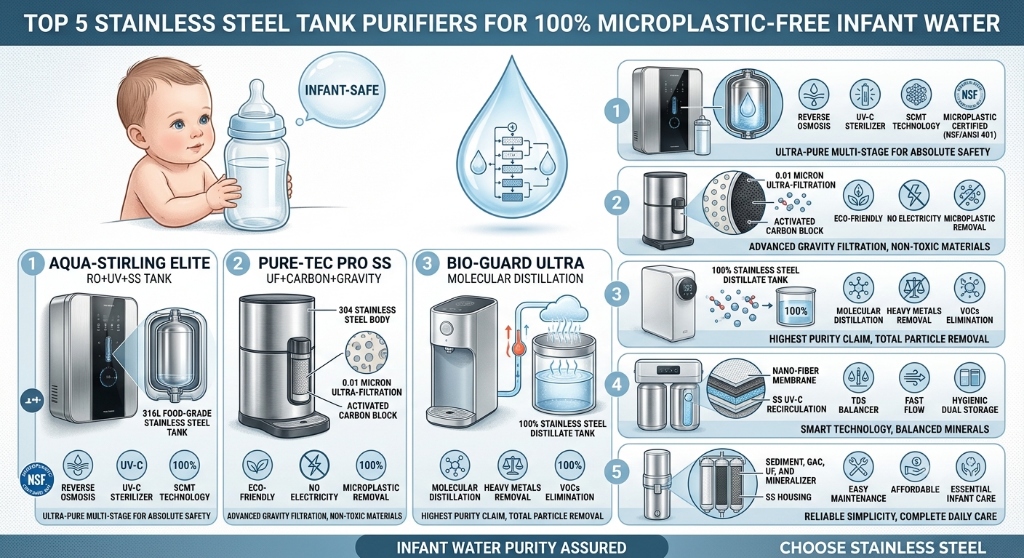
The Dangers of Microplastics in Baby Formula: How to Filter Them Out (2026 Guide)
Discover how microplastics contaminate infant formula through boiling, plastic bottles, and tap water, and learn how Reverse Osmosis and stainless steel eliminate them.
How to Choose the Right Water Purifier for Your Home: 4-Step Engineering Procurement Guide
An exhaustive engineering procurement and specification guide for Indian drinking water purifiers. Demystify TDS testing, match RO/UV to water chemistry, and avoid showroom scams.
Do Babies Need Distilled Water? The Truth About 'Nursery Water' Brands (2026)
Confused about 'Nursery Water' and distilled water for your baby? Learn whether infants need distilled water for formula, mineral safety, and RO alternatives.
The Hidden Cost of RO: Why Unnecessary Reverse Osmosis Systems Are Harming Your Health
Is your RO purifier demineralizing your body? Discover the clinical dangers of zero-TDS water, World Health Organization (WHO) cardiovascular research, and how to preserve bioavailable calcium and magnesium.
Fluoride in Tap Water: Is It Safe for Your Toddler’s Developing Teeth? (2026)
Is fluoride in tap water safe for your toddler? Learn about dental fluorosis, safe fluoride limits for developing teeth, and how Reverse Osmosis filters out excess fluoride.
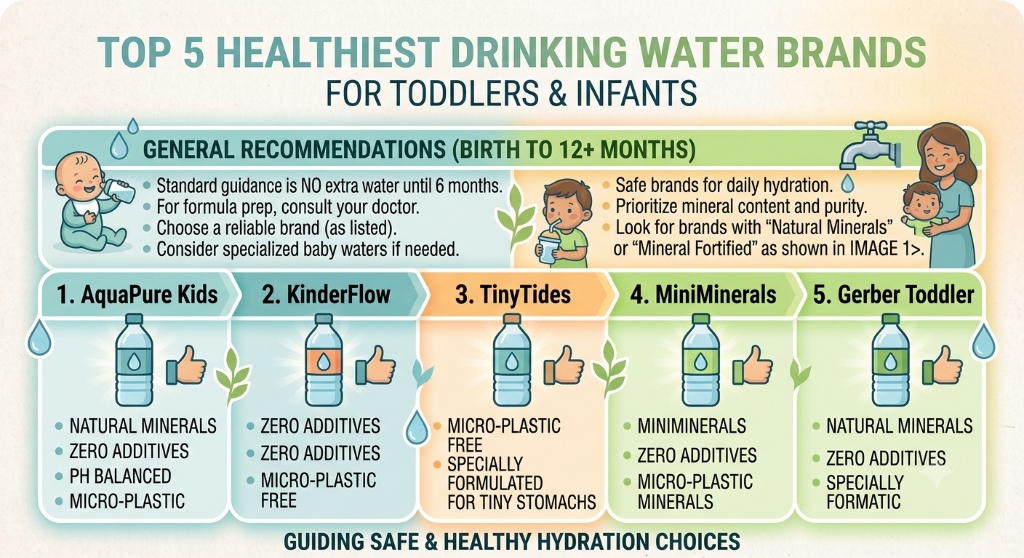
Top 5 Healthiest Drinking Water Brands for Toddlers & Infants
Traveling with a baby? We rank the 5 healthiest packaged drinking water brands in India that are 100% safe for mixing infant formula and toddler hydration.
Kent Grand Plus vs Aquaguard Aura: 2026 In-Depth Comparison & Maintenance Audit
Kent Grand Plus vs Aquaguard Aura compared head-to-head: real filtration stages, water recovery, 5-year AMC costs, open vs RFID filter lock-in, and final verdict.

What Happens When You Drink High TDS Water? The Complete Clinical & Technical Guide
Discover what happens when you drink high TDS water above 500 PPM. Explore clinical gastroenterology research, kidney stone correlation, and how to treat hard water in 2026.
Is UV Purified Water Safe for Babies? Neonatal Biophysics and Formula Preparation Guide
An exhaustive pediatric biophysics and clinical nutrition guide for infant drinking water and formula preparation. Demystify UV vs RO safety and prevent methemoglobinemia.
Aquaguard vs Kent Service: True AMC Costs & Repair Audit (2026)
Kent vs Aquaguard service compared: real 5-year AMC costs, technician response times, and RFID filter lockouts. Find out which brand is cheaper to maintain in 2026.
The Dangers of Microplastics in Baby Formula: How to Filter Them Out (2026 Guide)
Discover how microplastics contaminate infant formula through boiling, plastic bottles, and tap water, and learn how Reverse Osmosis and stainless steel eliminate them.
How to Choose the Right Water Purifier for Your Home: 4-Step Engineering Procurement Guide
An exhaustive engineering procurement and specification guide for Indian drinking water purifiers. Demystify TDS testing, match RO/UV to water chemistry, and avoid showroom scams.
Do Babies Need Distilled Water? The Truth About 'Nursery Water' Brands (2026)
Confused about 'Nursery Water' and distilled water for your baby? Learn whether infants need distilled water for formula, mineral safety, and RO alternatives.
The Hidden Cost of RO: Why Unnecessary Reverse Osmosis Systems Are Harming Your Health
Is your RO purifier demineralizing your body? Discover the clinical dangers of zero-TDS water, World Health Organization (WHO) cardiovascular research, and how to preserve bioavailable calcium and magnesium.
Fluoride in Tap Water: Is It Safe for Your Toddler’s Developing Teeth? (2026)
Is fluoride in tap water safe for your toddler? Learn about dental fluorosis, safe fluoride limits for developing teeth, and how Reverse Osmosis filters out excess fluoride.
Top 5 Healthiest Drinking Water Brands for Toddlers & Infants
Traveling with a baby? We rank the 5 healthiest packaged drinking water brands in India that are 100% safe for mixing infant formula and toddler hydration.
Kent Grand Plus vs Aquaguard Aura: 2026 In-Depth Comparison & Maintenance Audit
Kent Grand Plus vs Aquaguard Aura compared head-to-head: real filtration stages, water recovery, 5-year AMC costs, open vs RFID filter lock-in, and final verdict.
What Happens When You Drink High TDS Water? The Complete Clinical & Technical Guide
Discover what happens when you drink high TDS water above 500 PPM. Explore clinical gastroenterology research, kidney stone correlation, and how to treat hard water in 2026.
Next Steps: Free Water Tools & Guides
Continue your research with our interactive calculators, AI assessment, and expert buying guides.
Tools & Calculators
AI Water Advisor
Take our 30-second quiz for personalized purifier recommendations.
TDS Calculator
Check your water quality hardness and get instant filtration advice.
5-Year TCO Calculator
Compare long-term costs of Buying vs Renting vs Water Jars.
Maintenance Estimator
Avoid AMC traps and calculate your exact 5-year filter replacement costs.
Smart Purifier Catalog
Browse our full catalog of water purifiers with advanced filtering.
Top Blog Posts & Guides
Top 10 Purifiers in India
Lab-tested rankings of 2026's best purifiers with 5-year AMC costs.
Best RO for Borewell
High-TDS purification systems tailored for hard borewell water.
Best for Municipal Water
Low-maintenance UV/UF purifiers for municipal corporation supply.
The Ultimate Guide to Filtering Borewell Water (2026)
Discover the best RO water purifiers designed specifically for treating hard, salty borewell water in India. Comprehensive 2026 guide with high TDS solutions.
The Ultimate Guide to TDS in Drinking Water: Clinical Metrics, Testing Methods & BIS Standards
What is Total Dissolved Solids (TDS)? Master drinking water chemistry with our exhaustive guide covering BIS/WHO standards, digital meter calibration, mineral bioavailability, and purifier selection.
Comments & Discussion
0 Comments