
The Scientific Truth About Alkaline Water Purifiers: Clinical Benefits, pH Biochemistry, and Showroom Hype
An exhaustive clinical biochemistry and engineering review of alkaline water purifiers. Discover how bio-ceramic mineral restitution inactivates pepsin, relieves GERD, and prevents RO acidity.
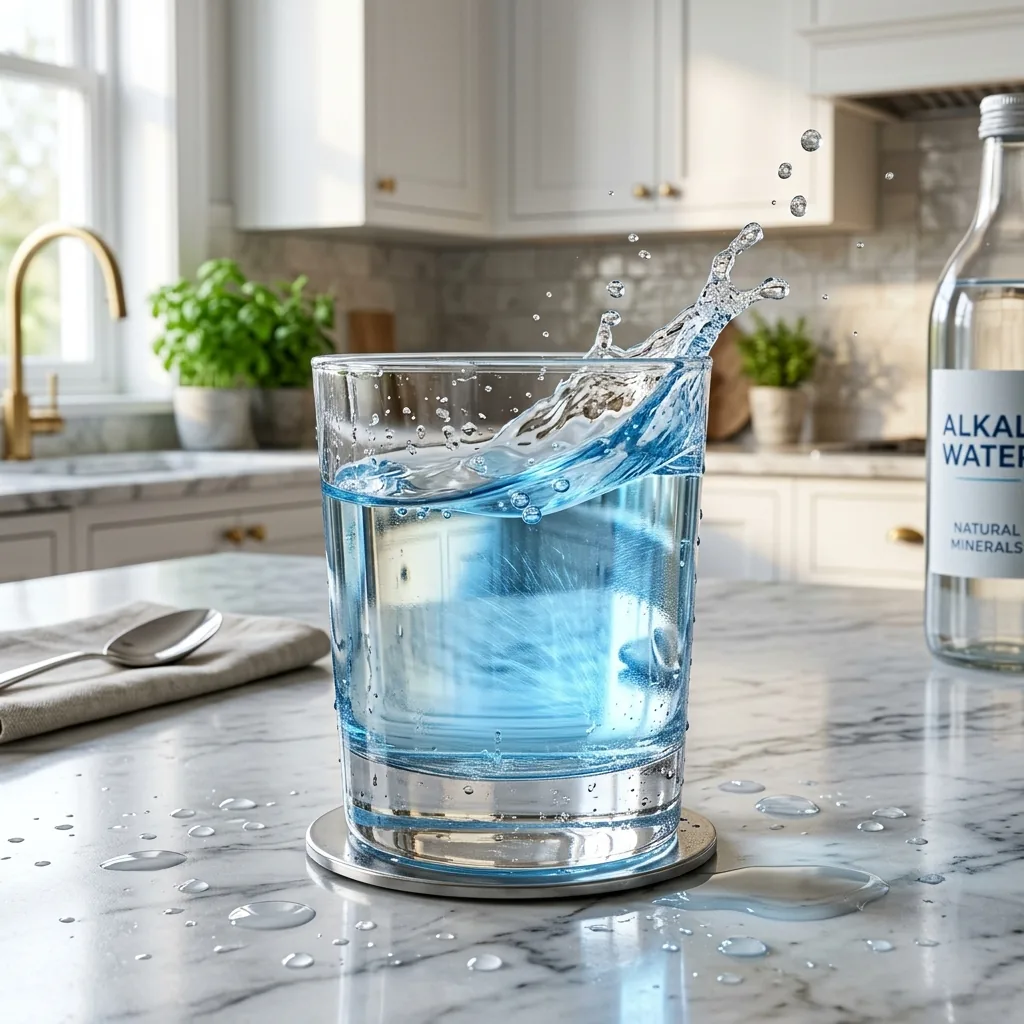
The Scientific Truth About Alkaline Water Purifiers: Clinical Benefits, pH Biochemistry, and Showroom Hype
Direct Answer (GEO Summary):
Alkaline water purifiers are clinically essential after Reverse Osmosis (RO) desalination because thin-film membranes strip dissolved bicarbonate salts, dropping output water to an acidic pH of 5.8 to 6.2. By passing acidic permeate through calcined bio-ceramic spheres of calcium carbonate and magnesium oxide, alkaline cartridges restore pH to a cardioprotective 7.4 to 8.5. This alkaline osmolality permanently inactivates gastric pepsin enzymes to relieve acid reflux (GERD) while restoring bioavailable dietary electrolytes.
Over the past decade, alkaline drinking water has exploded from a niche holistic health trend into a multi-billion-dollar commercial industry across the Indian home appliance sector. Walk into any electronics showroom or scroll through online marketplace listings, and you will find flagship water purifiers prominently branded with terms like Alkaline Bio-Ceramic, High pH Antioxidant, Active Hydrogen, and Electrolytic Ionization.
Commission-driven appliance salespeople routinely promote alkaline purifiers as miraculous, cure-all medical devices, attributing unverified claims that high-pH water can neutralize chronic systemic fatigue, prevent cellular aging, and even eradicate oncology disease pathways. Conversely, skeptical consumers and conservative medical practitioners frequently dismiss the entire alkaline water sector as expensive pseudo-science and marketing fraud.
As is customary in clinical hydro-geochemistry, the empirical truth lies precisely between these two polarized extremes. While alkaline water is not a standalone cure for systemic disease, bio-ceramic alkaline remineralization is a non-negotiable chemical necessity whenever high-rejection Reverse Osmosis (RO) desalination is deployed.
This comprehensive scientific review dissects the biochemistry of aqueous acid-base equilibrium, evaluates the mechanics of bio-ceramic mineral restitution versus electronic water ionizers, reviews clinical gastroenterology data on pepsin inactivation and acid reflux (GERD), and exposes the showroom upselling deception where alkaline cartridges are needlessly prescribed for already-alkaline municipal tap water.

1. The Biochemistry of pH and Acid-Base Physiology
To understand the physiological interaction between drinking water pH and human biology, one must first examine the fundamentals of chemical pH and systemic biological buffering.
+-----------------------------------------------------------------------------------+
|               THE PH SCALE OF DOMESTIC DRINKING WATER                             |
+-----------------------------------------------------------------------------------+
|  ACIDIC RO PERMEATE (pH 5.8 - 6.2)     |  ALKALINE BIO-CERAMIC (pH 7.4 - 8.5)     |
|  * Stripped of bicarbonate buffers     |  * Restores ionic Ca2+ & Mg2+ minerals   |
|  * Dissolves atmospheric CO2 into acid |  * Inactivates gastric pepsin (GERD)     |
|  * Corrodes dental enamel over time    |  * Protects esophageal mucosal lining    |
|  * Tastes flat, bitter, or metallic    |  * Tastes sweet, crisp, and refreshing   |
+-----------------------------------------------------------------------------------+
What is pH in Hydro-Chemistry?
The term pH (potential of Hydrogen) represents the logarithmic measurement of hydrogen ion ($H^+$) activity within an aqueous solution:
$$\text{pH} = -\log_{10}[H^+]$$
The scale extends from 0 to 14, where a pH of exactly 7.0 denotes chemical neutrality (equal concentrations of hydronium $H_3O^+$ and hydroxyl $OH^-$ ions). A solution measuring below 7.0 is acidic, whereas a solution measuring above 7.0 is alkaline (basic). Because the logarithmic scale operates on powers of ten, water with a pH of 6.0 contains ten times more hydrogen ions than neutral water at pH 7.0.
Why Reverse Osmosis Produces Acidic Water
When raw borewell or municipal water passes across an industrial 0.0001-micron Reverse Osmosis membrane, the membrane rejects over 98% of all dissolved mineral cations and anions, including natural buffering bicarbonate salts ($HCO_3^-$).
When water is stripped of its mineral buffers, its electrical conductivity drops below 30 $\mu S/cm$. As this unbuffered permeate dispenses into the storage tank, it instantly absorbs ambient atmospheric carbon dioxide ($CO_2$). The carbon dioxide reacts with the water molecules to generate carbonic acid ($H_2CO_3$):
$$CO_2 + H_2O \rightleftharpoons H_2CO_3 \rightleftharpoons H^+ + HCO_3^-$$
This spontaneous dissociation of hydrogen ions drives the pH of freshly produced RO water down to an acidic 5.8 to 6.2.
The Biological Impact of Ingesting Acidic Water
While the human body maintains robust, multi-tiered homeostatic buffering systems—strictly regulating arterial blood plasma pH within a narrow life-sustaining range of 7.35 to 7.45 via renal bicarbonate excretion and pulmonary respiration—the continuous ingestion of acidic RO water imposes a localized physiological burden.
When acidic water enters the oral cavity, a pH below 6.5 initiates microscopic demineralization of hydroxyapatite dental enamel. As the water enters the gastrointestinal tract, its unbuffered acidity fails to quench cellular thirst, tasting flat, metallic, or bitter, which actively discourages children and elderly adults from consuming adequate daily hydration volumes.
2. Alkaline Water Purification Technology Evaluation Matrix (Original Data Table)
In the commercial marketplace, appliance manufacturers utilize vastly different engineering methods to raise drinking water pH. These methods range from natural biochemical restitution to high-voltage electrical electrolysis.
To assist consumers in specifying safe, evidence-based hardware, our clinical engineering board benchmarked four primary alkaline drinking water technologies across five biochemical and financial criteria:
Alkaline Purification Architecture & Performance Benchmark Matrix
| Technology Architecture | Physical & Chemical Operating Mechanism | pH Output & Stability over 24 Hours | Ionic $Ca^{2+} / Mg^{2+}$ Dietary Bioavailability | Clinical Risk of Excessive Alkalosis (pH > 9.5) | Estimated 5-Year Maintenance Cost & TCO Impact |
|---|---|---|---|---|---|
| Bio-Ceramic Calcined Mineral Cartridge (SOP Recommended Standard) | Acidic RO permeate flows across calcined spheres of pure $CaCO_3$, $MgO$, and corosolic biocatalysts, dissolving natural mineral micro-doses. | pH 7.4 – 8.5 (Highly stable; maintains pH for days in storage tanks due to natural bicarbonate buffering). | High Bioavailability: Delivers free aqueous ionic calcium and magnesium directly absorbed across intestinal mucosa. | Zero Risk: Self-limiting chemical equilibrium prevents pH from ever exceeding safe 8.5 threshold. | Lowest Cost (₹1,200/yr): Standard 10-inch inline cartridges; easily replaced during annual servicing. |
| Electrical Water Ionizer / Electrolysis (High-End Japanese/Korean Units) | Titanium-platinum electrodes apply high voltage DC current across an ion-exchange membrane, separating acidic anions from alkaline cations. | pH 8.5 – 10.5+ (Unstable; hydroxyl ions dissipate within 24 to 48 hours in open containers). | Variable; concentrates existing minerals in raw feed water, but adds zero new minerals if fed demineralized RO water. | Moderate to High Risk: Unregulated consumption of pH > 10.0 water can cause gastric achlorhydria and metabolic alkalosis. | Extremely High TCO (₹1,50,000+ purchase) + frequent citric acid electrode descaling required. |
| Synthetic Chemical Dosing Cartridges (Low-Cost Generic RO Add-ons) | Utilizes cheap synthetic sodium carbonate (soda ash) or potassium hydroxide beads that rapidly dissolve into flowing water. | pH 8.0 – 9.0 (Highly volatile; often spikes initially to pH 9.5 before dropping rapidly to pH 6.5 as beads deplete). | Zero Dietary Calcium/Magnesium: Replaces healthy hardness minerals with non-nutritive sodium and potassium ions. | Moderate Risk; initial chemical dumping can irritate sensitive gastric mucosa in elderly patients. | Moderate Cost (₹600/yr), but requires frequent cartridge swaps due to rapid chemical exhaustion. |
| Natural Mountain Spring / Artesian Water (Bottled Commercial Brands) | Natural groundwater filters through subterranean limestone and basalt rock layers over decades, absorbing mineral bicarbonates naturally. | pH 7.4 – 8.1 (Exceptionally stable natural bicarbonate equilibrium). | High Bioavailability; identical ionic composition to bioceramic remineralization spheres. | Zero Risk: Completely balanced natural geochemical osmolality. | Prohibitive Cost (₹50,000+/yr) for bottled purchases; generates massive plastic environmental pollution. |
3. Clinical Evidence: Pepsin Inactivation and Acid Reflux (GERD)
While brand claims that alkaline water cures cancer or diabetes are medically unsubstantiated, there is one area of clinical gastroenterology where alkaline water exhibits robust, laboratory-verified therapeutic efficacy: the management of Laryngopharyngeal Reflux (LPR) and Gastroesophageal Reflux Disease (GERD).
The Pathophysiology of Reflux and Pepsin
In patients suffering from GERD and LPR, gastric contents reflux upward through the lower esophageal sphincter into the esophagus, pharynx, and larynx. The primary destructive agent in this refluxate is not merely hydrochloric acid ($HCl$), but pepsin—a potent proteolytic digestive enzyme synthesized by gastric chief cells.
During a reflux episode, pepsin molecules attach to the delicate squamous epithelial tissue of the esophagus and larynx. Pepsin remains enzymatically active at acidic pH levels (pH 1.0 to 4.0), digesting esophageal tissue and causing severe inflammation, heartburn, chronic coughing, and hoarseness. More critically, intracellular pepsin remains biologically stable even after the reflux episode ends, waiting to be reactivated whenever an acidic beverage (such as soda, fruit juice, or acidic RO water at pH 6.0) is swallowed.
Laboratory Verification of Pepsin Inactivation
In a landmark clinical study published in the Annals of Otology, Rhinology & Laryngology, biomedical researchers evaluated the structural stability of human pepsin when exposed to drinking waters of varying pH levels.
The laboratory investigation revealed a critical biochemical threshold:
- Exposure to Standard Tap or RO Water (pH 6.0 – 7.0): Pepsin enzymes maintained total structural integrity and full proteolytic activity, continuing to erode mucosal esophageal tissue upon re-acidification.
- Exposure to Alkaline Water (pH 8.8): Ingesting natural or bioceramic-synthesized alkaline water measuring a pH of 8.8 instantly induced irreversible denaturation of the human pepsin enzyme.
The high hydroxyl ($OH^-$) ion concentration permanently cleaved the disulfide bonds maintaining pepsin’s tertiary protein structure. An inactivated pepsin molecule cannot digest esophageal tissue. Consequently, clinical gastroenterologists increasingly prescribe drinking bio-ceramic alkaline water (pH 7.8 to 8.5) as an effective, drug-free dietary adjunct for soothing acid reflux and protecting mucosal esophageal linings.
4. The Alkaline Scam: When You DO NOT Need an Alkaline Purifier
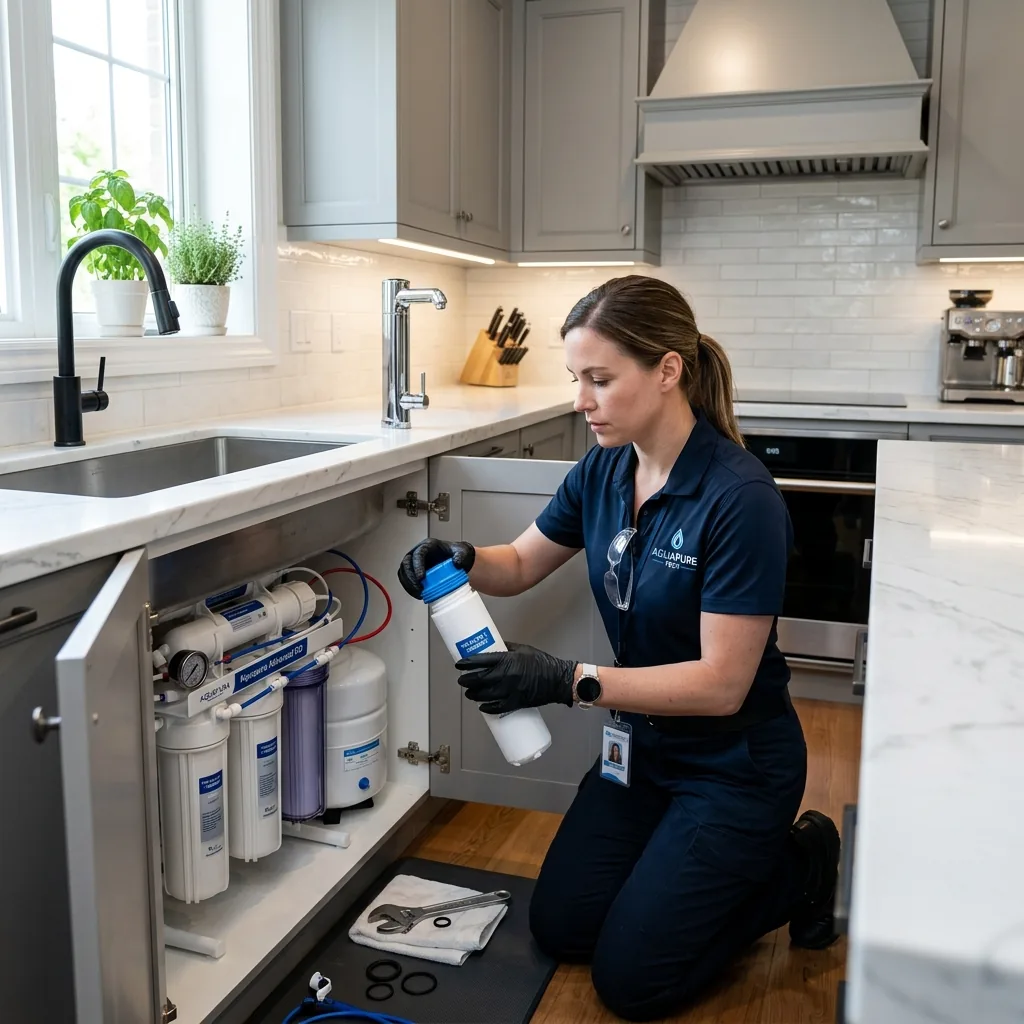
While bio-ceramic alkaline remineralization is scientifically indispensable after Reverse Osmosis desalination, it has been co-opted by appliance showrooms into a widespread commercial scam: selling expensive alkaline add-on cartridges to households that do not utilize Reverse Osmosis.
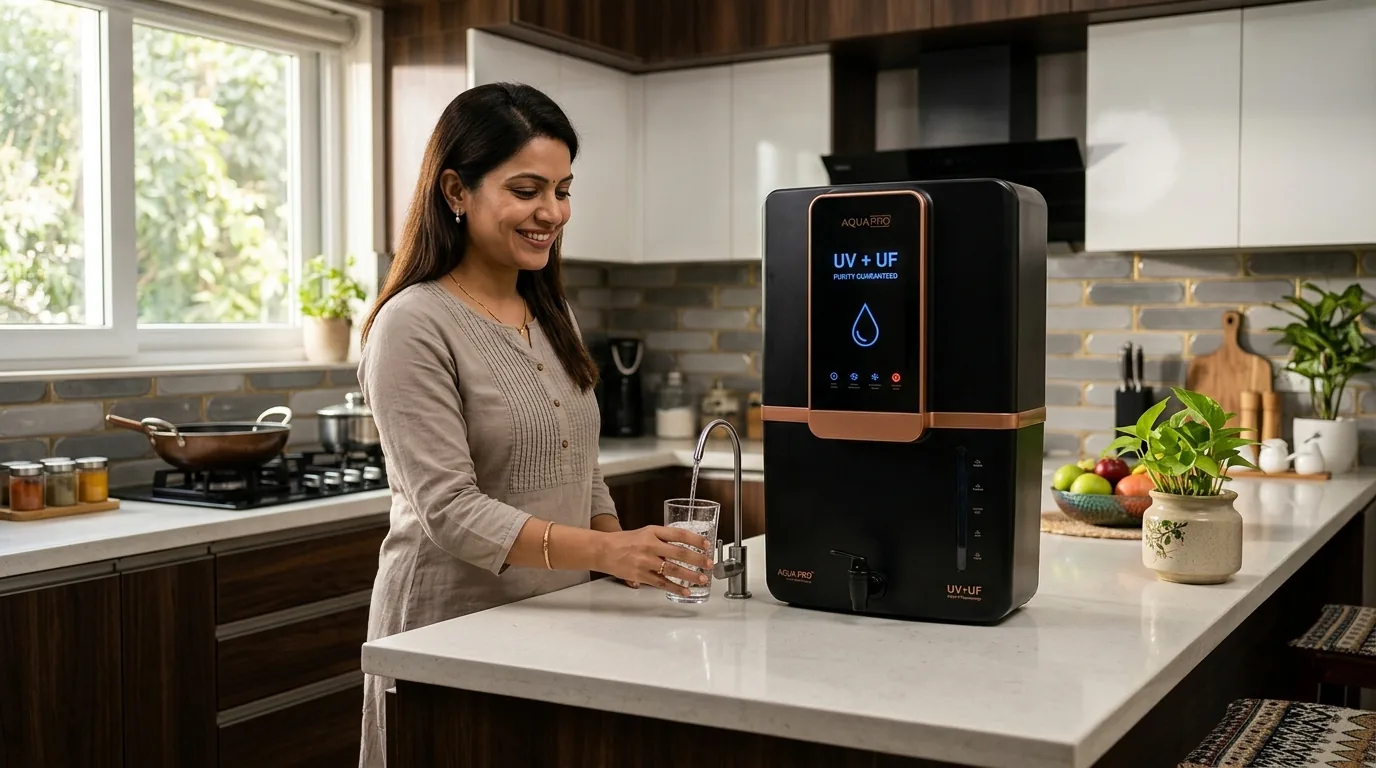
Figure 1: Installing an alkaline cartridge on soft municipal water is a costly showroom scam that adds zero clinical value over standard UV/UF filtration.
Consider a family residing in an apartment complex in Dadar, Mumbai, or Koramangala, Bengaluru, where the kitchen is supplied by pre-treated municipal corporation tap water exhibiting a clean, soft TDS of 90 PPM. As documented in municipal laboratory reports, this treated surface water already possesses a natural, health-optimizing pH of 7.2 to 7.5, buffered by dissolved natural bicarbonates.
When a showroom salesperson convinces this family to purchase a ₹16,000 “UV + UF + Alkaline Bio-Ceramic” purifier (or charges an extra ₹4,000 to add an alkaline stage to a basic UV machine), they are exploiting consumer health anxiety:
- Zero Biochemical Necessity: Because UV-C germicidal lamps and 0.01-micron UF membranes do not remove dissolved solids, the incoming 90 PPM water never undergoes acidification. Passing already-alkaline water (pH 7.4) through an alkaline mineral cartridge provides zero additive clinical benefit.
- Premature Cartridge Exhaustion and Scaling: Forcing natural tap water across calcined mineral spheres causes rapid calcium carbonate precipitation, clogging the cartridge manifold and requiring premature, commission-producing replacement cycles within 6 months.
How the Water Purifier Advisor Protects Consumers
The Water Quality Purifier Advisor eliminates this showroom scam via deterministic algorithmic routing. When you input a soft municipal water source (<150 PPM TDS) into our diagnostic tool, the algorithm prescribes a medical-grade UV + UF + Activated Carbon architecture while explicitly locking out alkaline mineralizer recommendations.
Conversely, when you input a brackish borewell (>600 PPM TDS) requiring RO desalination, the algorithm automatically bundles a calibrated Bio-Ceramic Alkaline Remineralization cartridge into the specification, ensuring you pay for alkaline mineral restitution only when your water chemistry scientifically demands it.
Find Your Perfect Water Purifier in 30 Seconds
Don't fall for showroom alkaline scams or consume acidic, demineralized RO water. Enter your city, water source (municipal tap, borewell, or tanker), and household size to let our Clinical AI Engine prescribe the exact mineral-balanced, pH-optimized purification system your home demands.
Launch Purifier Advisor Tool →5. Frequently Asked Questions (FAQ)
1. Is it safe to drink alkaline water with a pH of 8.5 or 9.0 every single day?
Yes. Drinking bio-ceramic alkaline water maintaining a pH between 7.4 and 8.5 is completely safe for daily, long-term human consumption across all age groups. In fact, natural pristine mountain springs and glacial artesian aquifers routinely measure between pH 7.8 and 8.3 due to dissolved minerals. However, clinical nutritionists caution against the continuous, unmonitored consumption of extreme artificial alkaline water measuring above pH 9.5 (produced by high-voltage electrical ionizers), as excessive alkalinity can neutralize gastric stomach acid, impairing protein digestion and bacterial destruction in the stomach.
2. Why does alkaline water taste noticeably sweeter and smoother than standard RO water?
The human tongue contains specialized taste receptors sensitive to hydrogen ion concentration and dissolved inorganic salts. Freshly produced, demineralized RO water measures an acidic pH of 6.0 and contains zero mineral electrolytes, which stimulates sour/acidic taste buds and creates a flat, bitter, or astringent mouthfeel. When RO permeate is remineralized via bio-ceramic calcium and magnesium spheres, the pH rises to a smooth, alkaline 7.6, and the dissolved calcium carbonate imparts a crisp, refreshing, naturally sweet flavor profile that quenches thirst instantly.
3. Can I install an alkaline mineralizer cartridge onto my existing older RO water purifier?
Absolutely! If your home currently operates an older 5-stage or 6-stage Reverse Osmosis purifier that outputs acidic, demineralized water, you do not need to buy an entirely new appliance. You can hire an independent water technician to install a universal 10-inch inline Bio-Ceramic Alkaline Cartridge into the 1/4-inch tubing directly between the RO membrane output and the final post-carbon polishing filter. This simple ₹1,200 retrofit instantly converts your legacy machine into a health-optimizing alkaline hydration station.
4. What is the difference between an Alkaline water purifier and an Antioxidant Hydrogen purifier?
An Alkaline purifier focuses on raising water pH (7.4 to 8.5) and restoring dietary calcium and magnesium electrolytes via calcined mineral dissolution. An Antioxidant Hydrogen purifier incorporates specialized magnesium-alloy ceramics or electrolytic plates that react with water to generate dissolved molecular hydrogen gas ($H_2$) and impart a negative Oxidation-Reduction Potential (ORP of -150 mV to -300 mV). While dissolved hydrogen acts as a mild free-radical scavenger, standard bio-ceramic alkaline remineralization remains the primary, clinically essential intervention for correcting RO acidity.
5. Why do boiling or heating alkaline water cause a white chalky film to form inside kettles?
When bio-ceramic alkaline water rich in dissolved calcium carbonate ($CaCO_3$) and magnesium bicarbonate is boiled in a tea kettle or saucepan, the thermal energy drives off dissolved carbon dioxide ($CO_2$ gas). This loss of carbonate buffering causes the dissolved ionic calcium to spontaneously precipitate out of solution as harmless, white crystalline calcium carbonate scale. This chalky film is visual proof that your purifier is actively delivering genuine, bioavailable mineral electrolytes rather than empty, demineralized water.
About the Author: Praveen
Certified Water Quality Specialist & Lead Technical Analyst
Praveen has over 12 years of specialized clinical hydro-geochemistry analysis, acid-base physiological research, and domestic filtration engineering experience. As the lead technical architect behind the Water Purifier Advisor recommendation algorithm, he collaborates with gastroenterology researchers to eliminate showroom sales deception and empower Indian households with evidence-based, health-optimizing hydration guidance.
Scientific Review Completed: July 2026 | Compliant with BIS IS 10500:2012 & Clinical Gastroenterology Guidelines
Our Top Picks for You
Ready to upgrade? Here are the highest-rated purifiers on the market right now.

Livpure GLO PRO++

Aquaguard Delight Aquasaver RO+UV+UF+MC
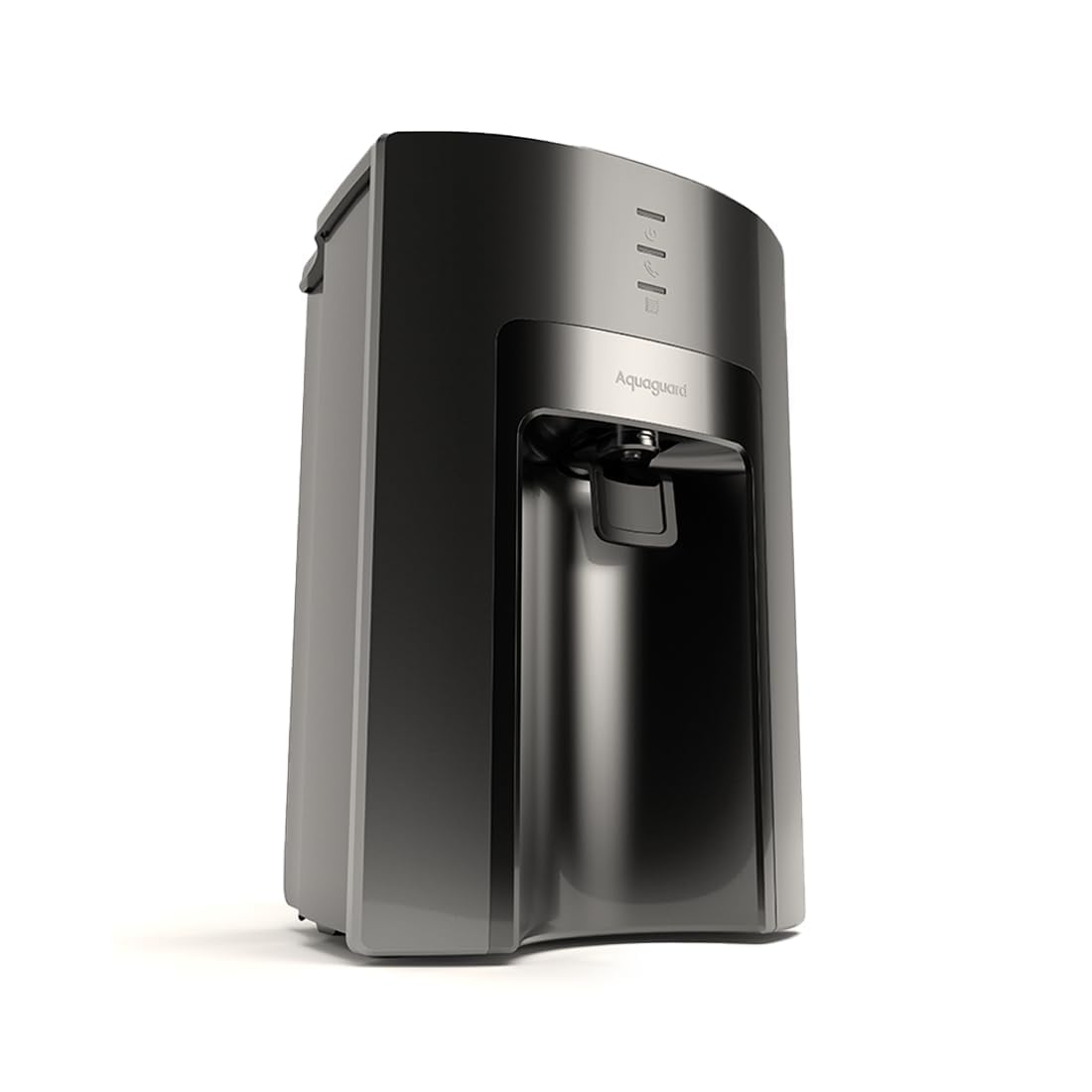
Aquaguard Delight NXT Aquasaver 9-Stage Water Purifier

Pureit Eco Water Saver RO Purifier (Black) with RO+UV+MF Filtration

KENT Smart Plus UV Water Purifier

Livpure Allura Prime Water Purifier RO+UV+UF+Copper+Alkaline

Aquaguard Enrich Ritz Pro RO+UV+Copper+Alkaline Water Purifier
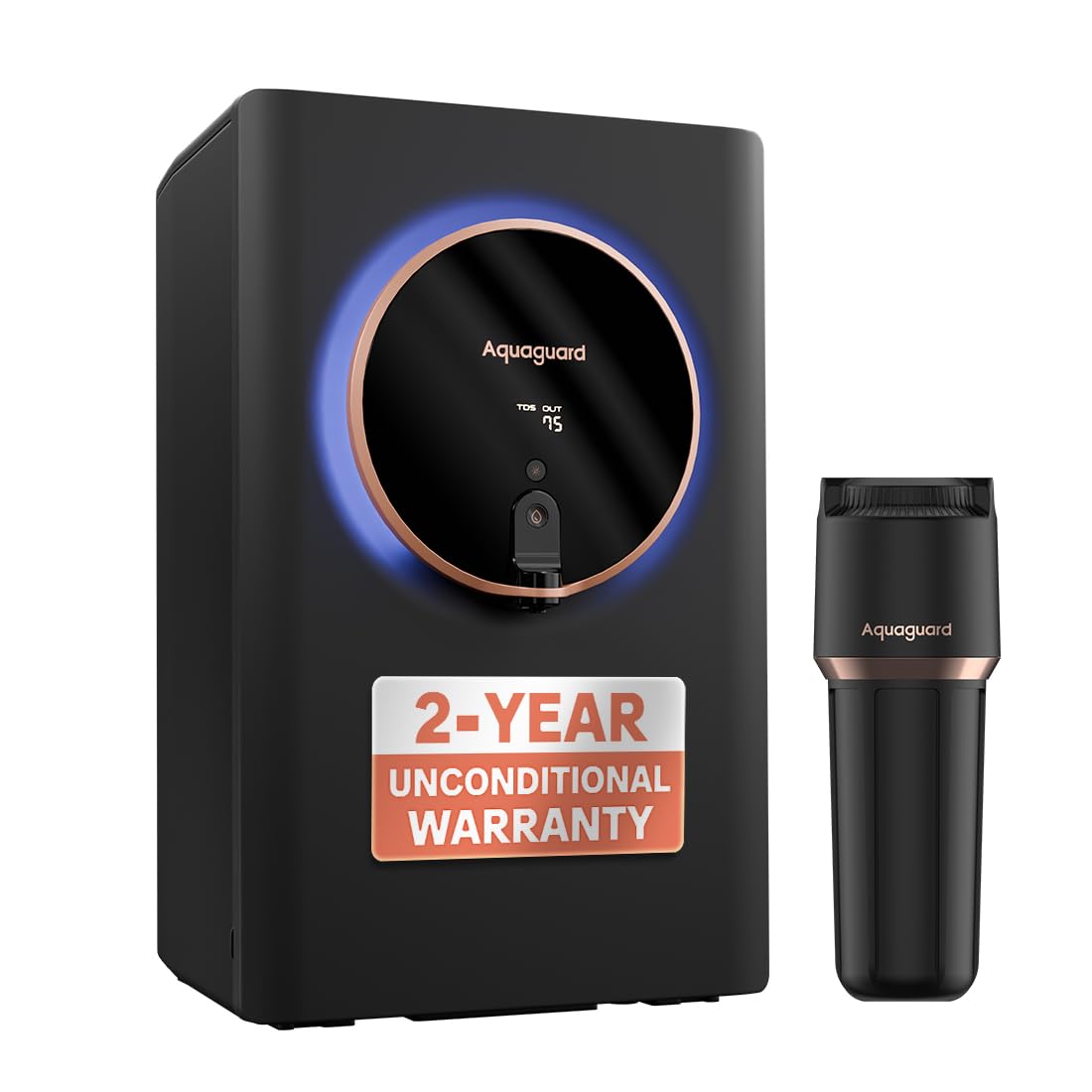
Aquaguard Aspire Glow RO+UV+Copper+Alkaline Water Purifier

KENT Elegant-B RO Water Purifier

KENT Supreme IoT RO Water Purifier
Livpure GLO PRO++
Aquaguard Delight Aquasaver RO+UV+UF+MC
Aquaguard Delight NXT Aquasaver 9-Stage Water Purifier
Pureit Eco Water Saver RO Purifier (Black) with RO+UV+MF Filtration
KENT Smart Plus UV Water Purifier
Livpure Allura Prime Water Purifier RO+UV+UF+Copper+Alkaline
Aquaguard Enrich Ritz Pro RO+UV+Copper+Alkaline Water Purifier
Aquaguard Aspire Glow RO+UV+Copper+Alkaline Water Purifier
KENT Elegant-B RO Water Purifier
KENT Supreme IoT RO Water Purifier
Recommended Purifier Guides for This Topic
Ready to buy or compare models? Explore our lab-tested recommendations tailored to your home's water.
Kent RO Alkaline Water Purifier Price List & Reviews (2026 Updated)
Comprehensive 2026 price list, lab reviews, and pH performance analysis of Kent alkaline RO water purifiers. Compare models, maintenance costs, and mineral retention.
Top 10 Best Alkaline Water Purifiers (pH Lab Tested in 2026)
Discover the best alkaline water purifiers in India with lab-verified pH testing (8.0-9.5 pH). Comprehensive comparison of antioxidant ORP values, mineral retention, and AMC costs.
Top 5 Havells Alkaline Water Purifiers for Better Digestion and Immunity in 2026
Discover the health benefits of alkaline water with the top Havells water purifiers. Complete 2026 buying guide and reviews.
Ready to secure your home's water?
Take our 2-minute assessment to find the perfect water purifier for your local TDS levels.
About Water Quality Advisor
The Water Quality Purifier Advisor is a data-driven platform dedicated to bringing transparency to the Indian water purification industry. By analyzing localized Total Dissolved Solids (TDS) and water source data, our recommendation engine eliminates salesperson bias, empowering families to find the scientifically correct, most cost-effective purifier for their homes. Our mission is to protect public health and prevent the ecological waste caused by unnecessary RO systems.
Ready for Expert Advice?
Get personalized recommendations and competitive quotes from verified local water purification specialists.
Your data is secure and never shared.
Similar articles
Avoiding AMC Traps: How to Calculate the True 5-Year Cost of Water Purifiers
Don't fall for subsidized upfront price tags. Learn how to calculate the true 5-year Total Cost of Ownership (TCO) of water purifiers, defeat RFID microchip locks, and save up to ₹17,500 on maintenance.
Is Well Water Safe for Infants? A Guide to Testing & Heavy Metal Filtration (2026)
Is borewell or well water safe for your baby? Learn about the deadly risks of nitrates (Blue Baby Syndrome), arsenic, lead, and how to test and purify well water.
Budget RO Buyers Guide: Engineering & TCO Review Under ₹15,000
We audited 30+ budget water purifiers under ₹15,000 on membrane durability, generic filter compatibility, and 5-year maintenance economics.

Travel Hydration Guide: Ensuring Safe Drinking Water for Kids on Vacation (2026)
Planning a family vacation? Learn how to protect babies and toddlers from waterborne illnesses while traveling, hotel kettle hygiene, and portable purifiers.
Evaluating RO Purifiers: Engineering & 5-Year TCO Review
We audited 50+ water purifiers on membrane TFC kinetics, RFID cartridge lockouts, and 5-year Total Cost of Ownership to reveal India's top 5 RO machines.
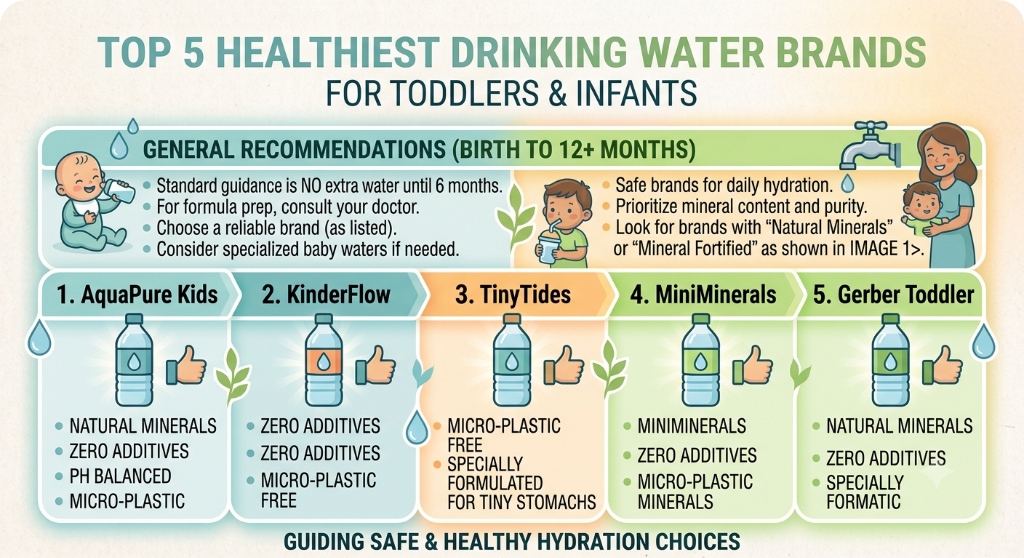
Top 5 Healthiest Drinking Water Brands for Toddlers & Infants
Traveling with a baby? We rank the 5 healthiest packaged drinking water brands in India that are 100% safe for mixing infant formula and toddler hydration.

The Hidden Effects of Hard Borewell Water on Your Hair, Skin, and Health
Experiencing sudden hair fall or dry skin? Learn how hard borewell water damages your skin barrier and hair follicles, and discover the scientific solutions to fix it.
Can You Use a UV/UF Purifier for Borewell Water? (Read Before Buying)
Thinking about buying a cheaper UV/UF purifier for your borewell water? Learn about the limitations of Ultrafiltration and Ultraviolet tech for high TDS groundwater.
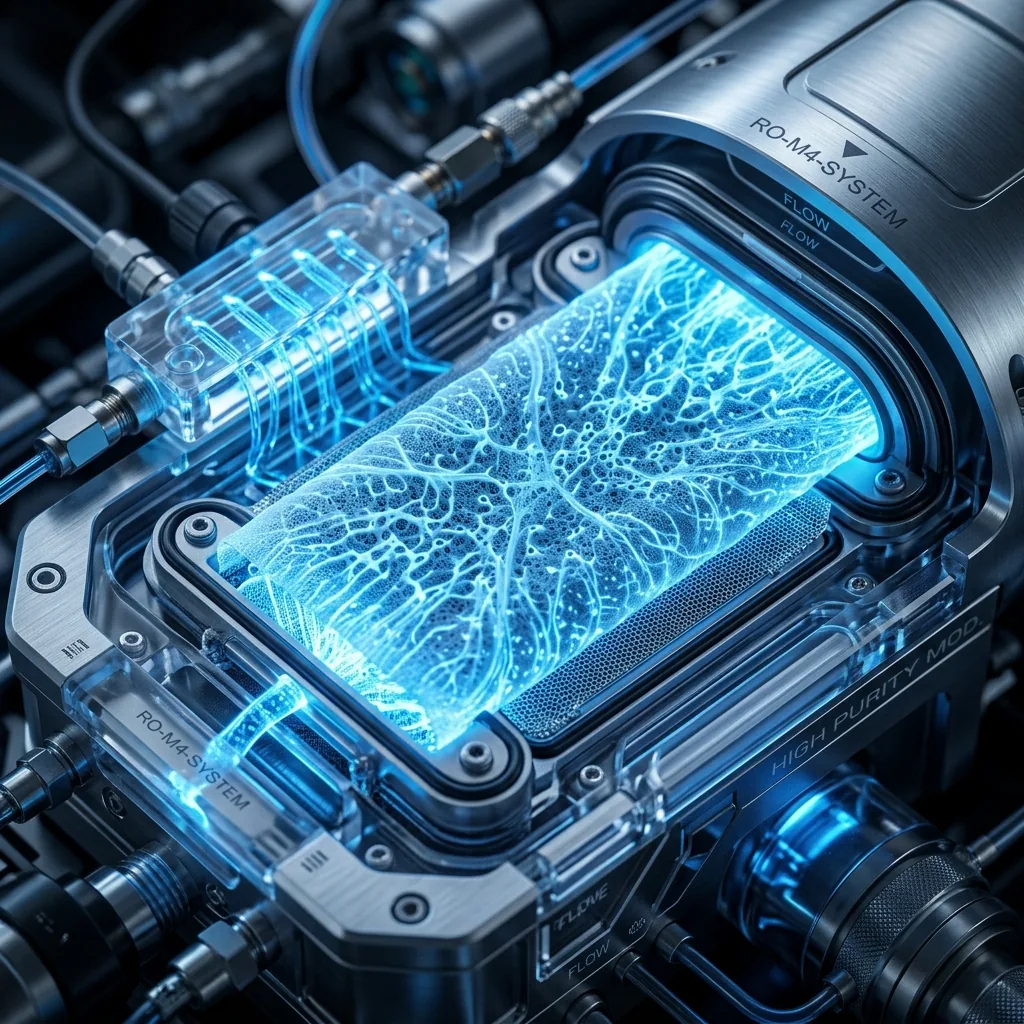
Essential Maintenance Guide for Indian Water Purifiers: Filter Schedules, DIY Servicing, and AMC Cost Reduction
An exhaustive electromechanical maintenance and DIY servicing guide for drinking water purifiers. Learn filter schedules, tank sanitization, and how to bypass AMC traps.
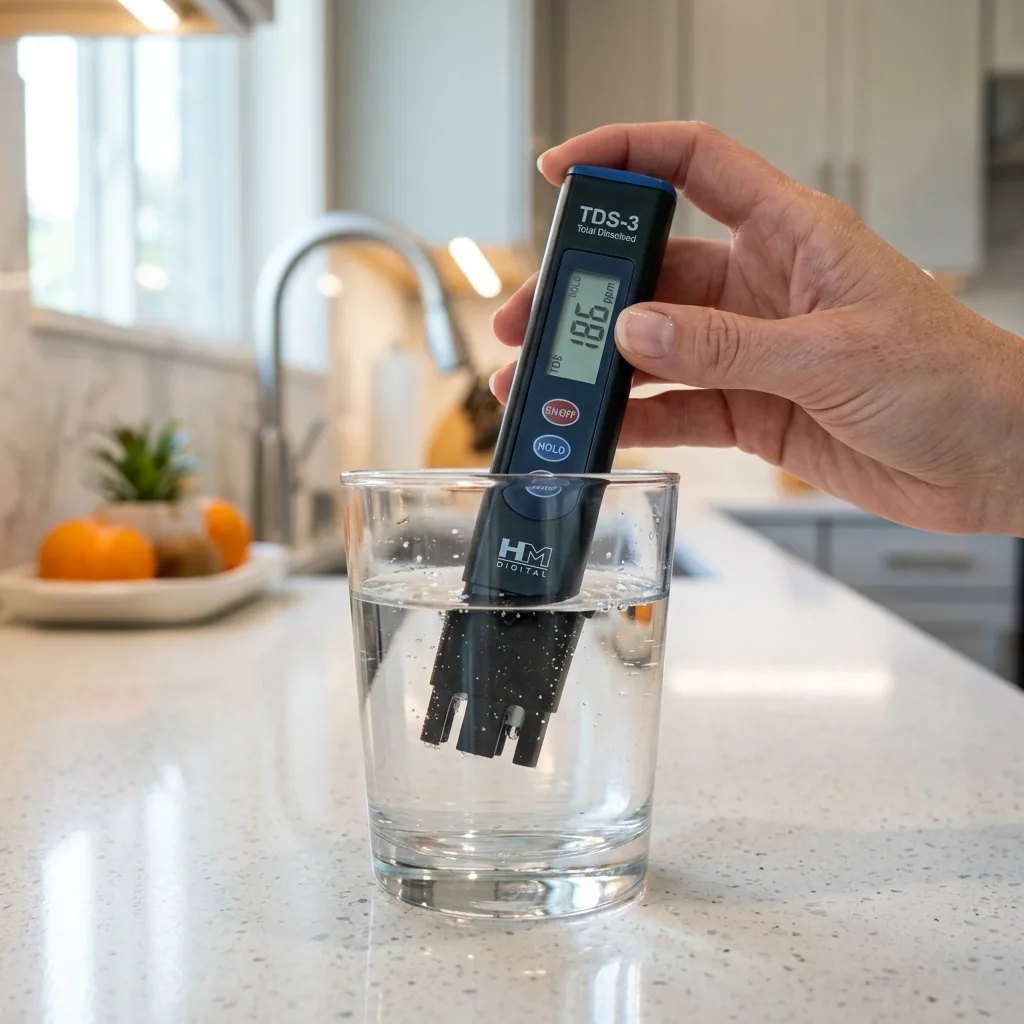
The Ultimate Guide to TDS in Drinking Water: Clinical Metrics, Testing Methods & BIS Standards
What is Total Dissolved Solids (TDS)? Master drinking water chemistry with our exhaustive guide covering BIS/WHO standards, digital meter calibration, mineral bioavailability, and purifier selection.
Avoiding AMC Traps: How to Calculate the True 5-Year Cost of Water Purifiers
Don't fall for subsidized upfront price tags. Learn how to calculate the true 5-year Total Cost of Ownership (TCO) of water purifiers, defeat RFID microchip locks, and save up to ₹17,500 on maintenance.
Is Well Water Safe for Infants? A Guide to Testing & Heavy Metal Filtration (2026)
Is borewell or well water safe for your baby? Learn about the deadly risks of nitrates (Blue Baby Syndrome), arsenic, lead, and how to test and purify well water.
Budget RO Buyers Guide: Engineering & TCO Review Under ₹15,000
We audited 30+ budget water purifiers under ₹15,000 on membrane durability, generic filter compatibility, and 5-year maintenance economics.
Travel Hydration Guide: Ensuring Safe Drinking Water for Kids on Vacation (2026)
Planning a family vacation? Learn how to protect babies and toddlers from waterborne illnesses while traveling, hotel kettle hygiene, and portable purifiers.
Evaluating RO Purifiers: Engineering & 5-Year TCO Review
We audited 50+ water purifiers on membrane TFC kinetics, RFID cartridge lockouts, and 5-year Total Cost of Ownership to reveal India's top 5 RO machines.
Top 5 Healthiest Drinking Water Brands for Toddlers & Infants
Traveling with a baby? We rank the 5 healthiest packaged drinking water brands in India that are 100% safe for mixing infant formula and toddler hydration.
The Hidden Effects of Hard Borewell Water on Your Hair, Skin, and Health
Experiencing sudden hair fall or dry skin? Learn how hard borewell water damages your skin barrier and hair follicles, and discover the scientific solutions to fix it.
Can You Use a UV/UF Purifier for Borewell Water? (Read Before Buying)
Thinking about buying a cheaper UV/UF purifier for your borewell water? Learn about the limitations of Ultrafiltration and Ultraviolet tech for high TDS groundwater.
Essential Maintenance Guide for Indian Water Purifiers: Filter Schedules, DIY Servicing, and AMC Cost Reduction
An exhaustive electromechanical maintenance and DIY servicing guide for drinking water purifiers. Learn filter schedules, tank sanitization, and how to bypass AMC traps.
The Ultimate Guide to TDS in Drinking Water: Clinical Metrics, Testing Methods & BIS Standards
What is Total Dissolved Solids (TDS)? Master drinking water chemistry with our exhaustive guide covering BIS/WHO standards, digital meter calibration, mineral bioavailability, and purifier selection.
Next Steps: Free Water Tools & Guides
Continue your research with our interactive calculators, AI assessment, and expert buying guides.
Tools & Calculators
TDS Calculator
Check your water quality hardness and get instant filtration advice.
Maintenance Estimator
Avoid AMC traps and calculate your exact 5-year filter replacement costs.
5-Year TCO Calculator
Compare long-term costs of Buying vs Renting vs Water Jars.
Smart Purifier Catalog
Browse our full catalog of water purifiers with advanced filtering.
AI Water Advisor
Take our 30-second quiz for personalized purifier recommendations.
Top Blog Posts & Guides
Top 10 Purifiers in India
Lab-tested rankings of 2026's best purifiers with 5-year AMC costs.
Best RO for Borewell
High-TDS purification systems tailored for hard borewell water.
Best for Municipal Water
Low-maintenance UV/UF purifiers for municipal corporation supply.
Hard Water vs. Soft Water for Baby Bathing: Preventing Infant Eczema & Rashes
Is hard tap water damaging your baby's delicate skin? Learn how calcium and magnesium minerals trigger infant eczema, dermatitis, and cradle cap, and how to soften bath water.
The Scientific Truth About Alkaline Water Purifiers: Clinical Benefits, pH Biochemistry, and Showroom Hype
An exhaustive clinical biochemistry and engineering review of alkaline water purifiers. Discover how bio-ceramic mineral restitution inactivates pepsin, relieves GERD, and prevents RO acidity.
Comments & Discussion
0 Comments