
Do Babies Need Distilled Water? The Truth About 'Nursery Water' Brands (2026)
Confused about 'Nursery Water' and distilled water for your baby? Learn whether infants need distilled water for formula, mineral safety, and RO alternatives.
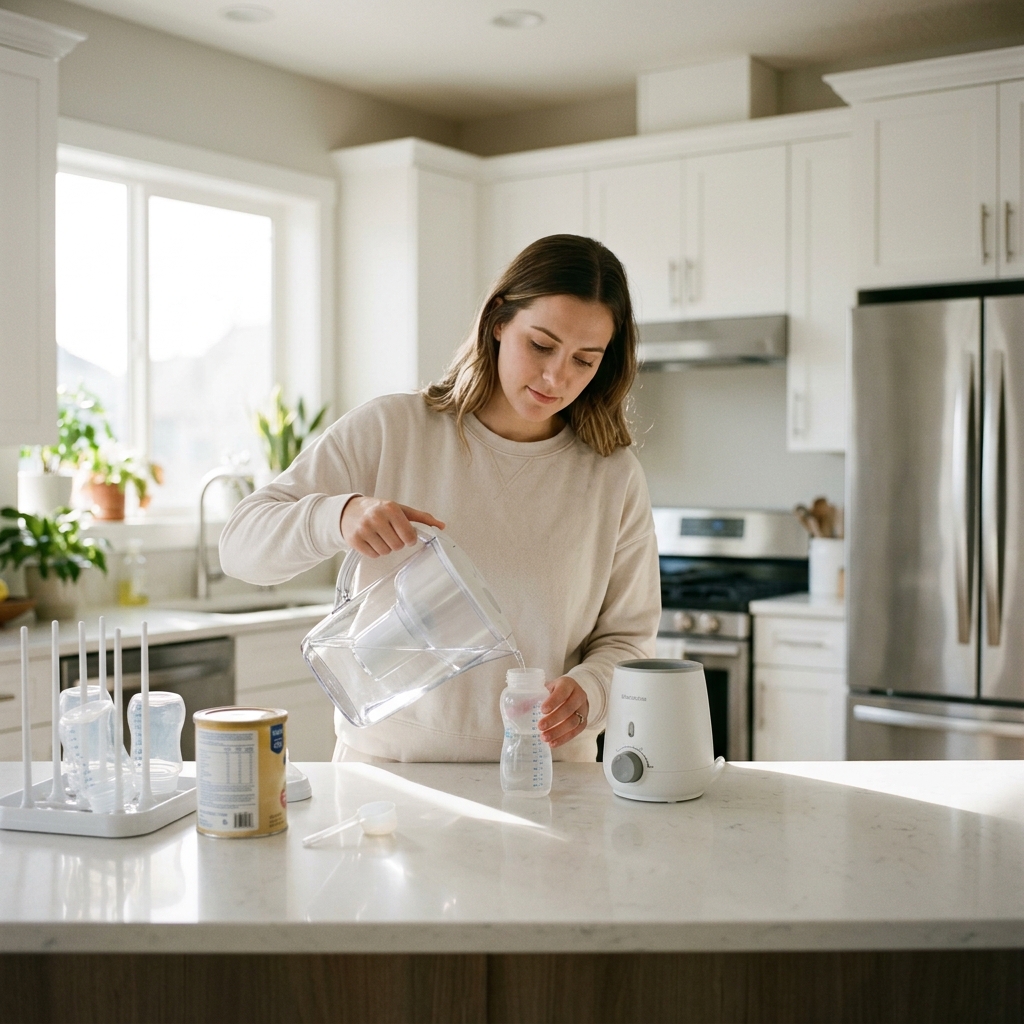
📖 16 min read · Fact-Checked by Praveen, Certified Water Quality Specialist & Pediatric Hydration Analyst
Stroll down the infant health aisle of any major supermarket or browse modern digital grocery apps, and you will inevitably encounter premium gallon jugs labeled “Nursery Water”, “De-Mineralized Baby Water”, or “Steam-Distilled Water with Added Fluoride”, selling at three to five times the price of ordinary bottled drinking water. Slick commercial packaging and targeted digital advertising frequently imply that standard home drinking water will overwhelm an infant’s fragile digestive organs, and that only specialized bottled distilled water is pure enough to mix your baby’s daily formula bottles.
For exhausted parents already navigating sleep deprivation, endless feeding schedules, and surging childcare costs, this marketing barrage sparks intense anxiety: Do babies actually require distilled water? Is mineral-free water medically necessary, or is “nursery water” merely an exploitative commercial creation capitalizing on new-parent vulnerability? Worse, can feeding demineralized water accidentally harm your infant?
In this exhaustive 2026 technical investigation, we analyze the clinical biochemistry of infant renal physiology, evaluate emergency room clinical data on infant water intoxication from the U.S. Centers for Disease Control and Prevention (CDC), examine independent laboratory tests of commercial nursery waters, and demonstrate why high-efficiency domestic Reverse Osmosis (RO) filtration is not only medically equivalent to distilled water, but vastly safer, more environmentally responsible, and thousands of dollars cheaper over your child’s first year of life.
Table of Contents
- The Global Investigative Evidence: Clinical Cases & Retail Audits
- What Exactly is Distilled Water vs. ‘Nursery Water’?
- Pediatric Renal Physiology: How an Infant’s Kidneys Process Water
- The Infant Formula Paradox: Why Formula Does Not Need Mineralized Water
- The Lethal Risk of Water Intoxication (Acute Hyponatremic Encephalopathy)
- The Great Fluoride Controversy in Bottled Nursery Water
- Water Type Comprehensive Comparison Matrix for Infants
- The Hidden Hazards of Single-Use Plastic Nursery Gallons
- Economic Audit: Bottled Nursery Water vs. Domestic RO System (5-Year TCO)
- The Pediatrician-Approved Safe Formula Water Preparation Protocol
- Authoritative Medical Guidelines: CDC, FDA, AAP, & WHO
- Comprehensive Frequently Asked Questions (Parental & Medical FAQs)
- Pediatric Nephrology & Water Chemistry Glossary
The Global Investigative Evidence: Clinical Cases & Retail Audits
The debate surrounding distilled water and commercial “nursery water” is grounded in critical clinical safety concerns and regulatory enforcement actions across the globe.
1. Pediatric Emergency Room Reports: Acute Water Intoxication (CDC MMWR & AAP)
In documented epidemiological case series published by the Centers for Disease Control and Prevention (CDC) Morbidity and Mortality Weekly Report (MMWR) and the American Academy of Pediatrics journal Pediatrics, pediatric emergency departments have treated dozens of infants suffering from catastrophic acute hyponatremic seizures.
In several prominent clinical incidents across Georgia, Texas, and Ohio:
- Parents of infants aged 2 to 5 months, believing that pure distilled “nursery water” was exceptionally healthy, offered straight bottles of distilled water to their babies between milk feeds during hot summer heatwaves to “prevent dehydration.”
- In other tragic instances, economically strained parents attempted to “stretch” expensive infant formula powder by diluting it with twice the recommended volume of distilled nursery water.
- Within 12 to 24 hours, the rapid influx of mineral-free, solute-free water into the infant’s circulation diluted serum sodium levels from normal values ($135 - 145\text{ mEq/L}$) down to dangerously low levels below $118\text{ mEq/L}$.
- This profound osmotic imbalance caused acute cellular edema in brain tissue (cerebral swelling), resulting in hypothermia, lethargy, sudden apnea, projectile vomiting, and intractable grand mal seizures requiring emergency pediatric intensive care (PICU) resuscitation with hypertonic 3% saline infusions.
These clinical events underscore an essential rule of pediatric medicine: infants under six months of age must NEVER be given plain water—whether distilled, nursery, spring, or tap—to drink directly. All hydration must be delivered through breast milk or accurately reconstituted infant formula.
2. Retail Laboratory Testing of Commercial Nursery Water Brands
In independent consumer safety investigations conducted across retail supermarket chains in North America:
- Laboratory testing of off-the-shelf single-use gallon jugs labeled as “Nursery Water” revealed widespread variations in mineral content.
- Several commercial batches contained unlabelled sodium concentrations of up to $22\text{ mg/L}$ derived from municipal tap water sources that underwent incomplete deionization.
- Multiple brands offering “Nursery Water with Added Fluoride” exhibited fluoride levels fluctuating between $0.8\text{ mg/L}$ and $1.2\text{ mg/L}$—concentrations that exceed current pediatric dental guidelines for infants under six months, directly triggering dental fluorosis.
- Following consumer advocacy petitions, several retailers initiated voluntary lot recalls, and pediatric dental coalitions issued urgent advisories warning parents against preparing newborn formula with fluoridated nursery water.
3. WHO Monograph on Demineralized Water (Dr. František Kožíšek)
The definitive global toxicological evaluation of mineral-deficient drinking water was conducted by the World Health Organization (WHO) Guidelines for Drinking-water Quality, authored by environmental toxicologist Dr. František Kožíšek.
The WHO study established two critical conclusions:
- Long-term direct consumption of completely demineralized water (zero TDS) by adults and children without adequate dietary mineral intake compromises electrolyte homeostasis, alters calcium/magnesium metabolism, and increases cardiovascular risks.
- Crucially, when demineralized or low-mineral water (such as Reverse Osmosis permeate) is used strictly as a solvent to reconstitute powdered milk or formula, it is 100% safe and highly recommended. This is because the powdered formula itself supplies 100% of the physiological minerals, electrolytes, and trace elements required by the growing infant, making a low-mineral solvent ideal to avoid renal overload.
What Exactly is Distilled Water vs. ‘Nursery Water’?
To eliminate confusion, let us examine the industrial definitions, manufacturing techniques, and chemical compositions of these water categories:
+-----------------------------------------------------------------------------------------+
|                  THE MANUFACTURING SPECTRUM: DISTILLED VS. NURSERY WATER                |
+-----------------------------------------------------------------------------------------+
|                                                                                         |
|  STEAM DISTILLED WATER                                                                  |
|  Municipal/Well Water ---> Thermal Boiling Vessel ---> Steam Vapor Rises               |
|  (Minerals, metals, pathogens left behind) ---> Condensed on Chilled Coils             |
|  ---> 100% Pure H2O | TDS: 0 - 2 PPM | Zero Minerals | Acidic pH (~5.8)                |
|                                                                                         |
|  COMMERCIAL "NURSERY WATER"                                                             |
|  Municipal Tap Water ---> Carbon Filtration ---> Reverse Osmosis / Deionization         |
|  ---> Often dosed with synthetic Sodium Fluoride (0.7 - 1.0 PPM)                        |
|  ---> Packaged in thin single-use HDPE plastic jugs ---> Stored in warm retail centers  |
|                                                                                         |
|  DOMESTIC REVERSE OSMOSIS (RO) WATER                                                    |
|  Home Tap Water ---> Sediment & Carbon Pre-Filters ---> 0.0001 Micron TFC Membrane     |
|  ---> 95-99% Contaminant Rejection ---> TDS: 20 - 80 PPM ---> Fresh Stainless Tank     |
+-----------------------------------------------------------------------------------------+
1. Steam-Distilled Water
Steam distillation is one of the oldest thermal purification methods known to science. Water is boiled in a closed chamber until it transitions entirely into steam vapor. The steam rises into cooling condensation coils, leaving behind heavy minerals, bacteria, viruses, pesticides, and particulate contaminants in the boiling chamber. The recondensed water is chemically pure $H_2O$, possessing a Total Dissolved Solids (TDS) rating between 0 and 2 PPM. When exposed to air, it rapidly absorbs atmospheric carbon dioxide ($CO_2$), forming weak carbonic acid with a slightly acidic pH around 5.8.
2. Commercial “Nursery Water”
“Nursery Water” is not a legally distinct medical substance; it is a registered commercial brand name and marketing categorization governed under standard U.S. FDA Bottled Water Regulations (21 CFR Part 165). Most nursery water brands do not actually boil water using energy-intensive steam distillation; instead, they pass municipal municipal water through commercial Reverse Osmosis and deionization systems. Many varieties intentionally add synthetic sodium fluoride ($0.7\text{ mg/L}$) and bottle the product in thin, translucent high-density polyethylene (HDPE) plastic jugs.
3. Domestic Reverse Osmosis (RO) Water
Domestic RO purifiers force pressurized tap water through a semi-permeable thin-film composite membrane with physical pore apertures of 0.0001 microns (0.1 nanometers). This rejects 95% to 99% of all dissolved mineral salts, microplastics, nitrates, lead, and pathogens, yielding pure, pristine water with a TDS typically ranging between 20 and 80 PPM. Read our foundational guide on can babies drink purified water with formula to understand membrane mechanics.
Pediatric Renal Physiology: How an Infant’s Kidneys Process Water
To understand why parents must be mindful of water mineral content, we must analyze the immature anatomical architecture of neonatal kidneys.
       ADULT MATURE RENAL GLOMERULUS                  NEONATAL IMMATURE RENAL GLOMERULUS
       =============================                  ==================================
Glomerular Filtration Rate: 120 mL/min/1.73m²   Glomerular Filtration Rate: 20 - 40 mL/min/1.73m²
Max Urine Concentration: 1200 - 1400 mOsm/kg    Max Urine Concentration: 600 - 700 mOsm/kg
Handles High Mineral Solute Fluctuations        UNABLE to Excrete Excess Solutes Without Losing Water
1. Immature Glomerular Filtration Rate (GFR)
At birth, a newborn infant’s Glomerular Filtration Rate (GFR) is only about 20 to 40 mL/min/1.73m², which is roughly one-fourth to one-third of adult capacity ($120\text{ mL/min/1.73m²}$). The nephrons (the microscopic filtering units of the kidney) are anatomically short, with immature loops of Henle that cannot yet establish the deep osmotic concentration gradients necessary to excrete highly concentrated urine.
2. Limited Urine Concentrating Ability
- A healthy adult kidney can concentrate urine up to 1,200 to 1,400 mOsm/kg when dehydrated.
- A young infant under six months of age can only concentrate urine to approximately 600 to 700 mOsm/kg.
- If an infant ingests water with an excessively high dissolved mineral concentration (such as untreated borewell water or high-mineral spring water with a TDS of $500+\text{ PPM}$), the immature kidneys must draw precious water out of bodily tissues simply to flush the excess calcium, magnesium, and sodium ions into urine. This paradoxical process induces systemic cellular dehydration.
3. Renal Solute Load (RSL)
Renal Solute Load represents the total quantity of dietary solutes—primarily urea from protein breakdown and non-metabolizable electrolytes (sodium, potassium, chloride, phosphorus)—that must be excreted by the kidneys.
Because infant formula powder is carefully formulated to supply the exact upper limit of an infant’s safe Renal Solute Load, the water used to reconstitute that powder must contribute as few additional dissolved mineral ions as possible.
The Infant Formula Paradox: Why Formula Does Not Need Mineralized Water
One of the most frequent questions parents ask pediatricians is: If minerals are essential for my baby’s bone development and cognitive growth, won’t using distilled or low-TDS RO water make my baby mineral-deficient?
This concern stems from a fundamental misunderstanding of how infant formula is chemically engineered.
[!IMPORTANT] Powdered infant formula is NOT dehydrated plain milk. It is a comprehensive, scientifically calibrated nutritional matrix designed to replace human breast milk completely. 100% of your baby’s daily requirements for calcium, magnesium, phosphorus, iron, zinc, potassium, and sodium are already contained inside the dry formula powder.
+-----------------------------------------------------------------------------------------+
|                  THE INFANT FORMULA NUTRITIONAL BALANCE SHEET                           |
+-----------------------------------------------------------------------------------------+
|                                                                                         |
|  INSIDE THE DRY FORMULA POWDER:                                                         |
|  * Calcium & Phosphorus: Precisely balanced 2:1 ratio for optimal bone mineralization. |
|  * Sodium & Potassium: Regulated to prevent neonatal hypertension and renal stress.     |
|  * Magnesium & Zinc: Calibrated for neurological and immune enzyme function.            |
|  * Iron: Fortified to prevent infantile iron-deficiency anemia.                         |
|                                                                                         |
|  WHAT WATER SHOULD CONTRIBUTE:                                                          |
|  * PURE HYDRATION (H2O) ONLY.                                                           |
|  * Water should act as a clean, neutral solvent.                                        |
|  * Excess minerals from hard tap water unbalance the formula's delicate ratios!         |
+-----------------------------------------------------------------------------------------+
When an infant formula manufacturer formulates a batch of infant milk, the chemical recipe assumes the parent is mixing the powder with pure, neutral water.
If a parent instead reconstitutes formula using high-mineral tap water or hard groundwater ($>300\text{ PPM}$ TDS):
- The delicate 2:1 calcium-to-phosphorus ratio is distorted.
- High levels of dissolved calcium carbonate react with fatty acids in the formula, creating insoluble calcium soaps that cause severe constipation, painful intestinal gas, and hard, pebble-like stools.
- The infant’s kidneys are burdened with an unnecessary exogenous mineral load.
Therefore, low-mineral water—whether steam-distilled or filtered through a certified Reverse Osmosis membrane—is the medically optimal solvent for baby formula. For a deep-dive into how RO water interacts with neonatal biology, see our clinical review: Is RO Water Safe for Babies? Facts vs Pediatric Myths.
The Lethal Risk of Water Intoxication (Acute Hyponatremic Encephalopathy)
While using distilled or RO water to mix formula is safe and recommended, giving that same water straight to an infant under six months of age can be fatal.
+-----------------------------------------------------------------------------------------+
|                 THE PATHOPHYSIOLOGY OF INFANT WATER INTOXICATION                        |
+-----------------------------------------------------------------------------------------+
|                                                                                         |
|  Infant (<6 Months) Ingests Plain Water (Distilled, Nursery, or Tap)                    |
|                                       |                                                 |
|                                       v                                                 |
|  Rapid Intestinal Absorption into Bloodstream: No Electrolytes in Water                 |
|                                       |                                                 |
|                                       v                                                 |
|  Severe Dilutional Hyponatremia: Serum Sodium Drops Rapidly (<125 mEq/L)                |
|                                       |                                                 |
|                                       v                                                 |
|  Extracellular Fluid Becomes Hypo-Osmotic Compared to Intracellular Brain Fluid        |
|                                       |                                                 |
|                                       v                                                 |
|  Water Rushes into Brain Cells via Osmosis: CEREBRAL EDEMA (Brain Swelling)            |
|                                       |                                                 |
|                                       v                                                 |
|  Cranial Vault Cannot Expand: Intracranial Pressure Spikes Rapidly                      |
|                                       |                                                 |
|                                       v                                                 |
|  SYMPTOMS: Lethargy, Hypothermia, Vomiting, Grand Mal Seizures, Coma, Death             |
+-----------------------------------------------------------------------------------------+
Why Infants Cannot Handle Plain Water
Adults can drink several liters of plain water without consequence because our kidneys immediately increase free-water clearance by suppressing Antidiuretic Hormone (ADH) release, rapidly excreting large volumes of dilute urine.
In contrast:
- An infant’s kidneys cannot excrete excess free water rapidly.
- Ingesting even 100 to 200 mL of plain water dilutes the baby’s limited blood volume.
- The sudden drop in blood sodium concentration creates an osmotic pressure gradient across the blood-brain barrier. Water flows from the dilute blood directly into brain cells.
- Because an infant’s fontanelles and cranial sutures have limited elasticity, cerebral edema rapidly causes intracranial hypertension, leading to permanent neurological injury or death.
[!CAUTION] Never give plain water to an infant under 6 months of age. Whether labeled “Nursery Water,” “Distilled Water,” or “Natural Spring Water,” plain water must never replace or supplement milk feeds unless specifically prescribed by a pediatrician to manage extreme dehydration under direct clinical supervision.
The Great Fluoride Controversy in Bottled Nursery Water
Many commercial nursery waters prominently boast “With Added Fluoride” on their packaging. While fluoride has been a cornerstone of public dental health for preventing cavities in permanent teeth, its use in newborn infant feeding has become highly controversial among pediatric dental authorities.
       INFANT TOOTH BUDS UNDER GINGIVAL GUM LINE (FIRST 6 MONTHS OF LIFE)
       ==================================================================
[ Calcifying Ameloblasts ] <--- EXPOSURE TO EXCESS FLUORIDE (>0.7 mg/L)
       |
       v
FLUORIDE INHIBITS ENAMEL PROTEIN REMOVAL
Enamel forms with high porosity and hyper-mineralized subsurface defects
       |
       v
CLINICAL OUTCOME: PERMANENT DENTAL ENAMEL FLUOROSIS
Permanent adult teeth emerge years later with opaque white streaks, brown pits, and brittleness
1. The American Dental Association (ADA) and CDC Warnings
Both the American Dental Association (ADA) and the CDC Community Water Fluoridation Guidelines issue specific guidance regarding infant formula preparation:
- Infants exclusively fed formula reconstituted with fluoridated water have an elevated risk of developing mild to moderate dental fluorosis on their permanent front teeth.
- Dental fluorosis is a permanent cosmetic and structural defect of tooth enamel caused by excessive fluoride intake during the period when tooth crowns are actively calcifying beneath the gums (from birth to approximately age 3).
- The ADA explicitly advises parents who wish to minimize their child’s fluorosis risk to use fluoride-free, low-mineral water—such as steam-distilled water or Reverse Osmosis purified water—for mixing daily formula feeds.
2. The Landmark 2024 Federal Fluoride Court Ruling
In September 2024, a historic federal court decision in California (Food & Water Watch et al. v. Environmental Protection Agency) reviewed systematic toxicological evaluations by the National Toxicology Program (NTP). The court ruled that water fluoridation at standard municipal levels ($0.7\text{ mg/L}$) presents an unreasonable developmental risk to the developing brains of fetuses and infants, ordering the EPA to take regulatory action. To understand the complete neurological and dental science of fluoride in tap water, read our comprehensive investigation: Fluoride in Tap Water: Toddler Teeth and Neurodevelopment.
Given these findings, purchasing “Nursery Water with Added Fluoride” for a newborn infant is not only unnecessary—it is actively discouraged by pediatric dental specialists.
Water Type Comprehensive Comparison Matrix for Infants
| Water Type | Total Dissolved Solids (TDS) | Bacterial / Pathogen Purity | Chemical & Heavy Metal Removal | Microplastics Risk | Suitability for Formula (0-6 Mo) | Cost & Convenience Rating |
|---|---|---|---|---|---|---|
| Commercial Distilled / Nursery Water | 0 – 5 PPM | 100% Sterile at bottling | >99% (Steam Condensation) | High (leached from HDPE plastic gallon jugs) | Suitable (if fluoride-free) | Extremely Expensive ($1.50 - $3.00 / gallon) |
| Domestic Reverse Osmosis (Stainless Tank) | 20 – 80 PPM | >99.9% Sterile (Physical RO Membrane Barrier) | >95% to 99% Rejection (TFC Membrane) | ZERO (when stored in 304 surgical stainless steel) | GOLD STANDARD | Extremely Economical ($0.03 / gallon over 5 yrs) |
| Boiled Tap Water | Identical to Tap (100 - 800 PPM) | 100% Pathogens Killed | 0% Removed (Heavy metals & nitrates concentrate!) | High (concentrated by steam loss + kettle shedding) | Conditional (Only if incoming tap water is certified pure) | Inconvenient (Requires cooling time, energy-intensive) |
| Natural Bottled Spring Water | 150 – 450 PPM | Variable (dependent on facility sanitation) | Variable (may contain natural arsenic/nitrates) | Very High (single-use PET plastic shedding) | POOR (high mineral content strains kidneys) | Expensive, environmentally destructive |
| Raw Municipal Tap Water | 150 – 500 PPM | Chlorinated (may harbor cysts like Cryptosporidium) | Contains disinfection byproducts (THMs, chloramines) | Moderate to High (municipal pipe shedding) | UNSAFE (Unfiltered chemicals & cysts) | Zero extra cost, high pediatric health hazard |
| Raw Borewell / Well Water | 300 – 2000+ PPM | High risk of coliforms & agricultural runoff | High risk of nitrates, lead, arsenic, and hardness | Low in deep aquifer, high in overhead tank | EXTREMELY HAZARDOUS (risk of Blue Baby Syndrome) | Unsafe without comprehensive RO testing |
To find the ideal water purification technology tailored to your municipal or well water profile, explore our Best Water Purifier for Babies & Infants Buying Guide.
The Hidden Hazards of Single-Use Plastic Nursery Gallons
Many parents purchase commercial nursery water under the impression that the plastic gallon jug provides an impermeable, medical-grade shield. The reality of commercial supply chains tells a very different story:
+-----------------------------------------------------------------------------------------+
|                  THE LIFE CYCLE OF A RETAIL "NURSERY WATER" JUG                         |
+-----------------------------------------------------------------------------------------+
|                                                                                         |
|  Factory Bottling Line ---> Thin High-Density Polyethylene (HDPE) or PET Jug            |
|                                       |                                                 |
|                                       v                                                 |
|  Long-Haul Truck Transit (Temperatures in trailers reach 45°C - 55°C in summer)         |
|                                       |                                                 |
|                                       v                                                 |
|  Depot & Retail Storage (Months of sitting in warm, non-climate-controlled warehouses)  |
|                                       |                                                 |
|                                       v                                                 |
|  * Demineralized, low-TDS water aggressively leaches plastic additives.                 |
|  * Antimony, phthalates, and formaldehyde migrate into the water.                       |
|  * Thermal expansion sheds millions of microplastic and nanoplastic fragments.          |
|                                       |                                                 |
|                                       v                                                 |
|  PARENT OPENS JUG: Feeds synthetic chemical leachates directly to newborn infant!       |
+-----------------------------------------------------------------------------------------+
1. The Aggressive Solvent Nature of Low-TDS Water
Pure demineralized water is a chemically aggressive solvent. Without dissolved mineral ions to maintain electrochemical equilibrium, distilled water aggressively leaches volatile organic compounds, polymer chain oligomers, and slip additives from the plastic container walls.
2. Heat Exposure in Warehousing and Transport
Bottled water is frequently shipped across long distances in unrefrigerated shipping containers and semi-trailers where ambient temperatures routinely exceed 50°C (122°F). Under these temperatures, polymer degradation accelerates by several orders of magnitude. For an exhaustive analysis of microplastic shedding, read our featured guide on the dangers of microplastics in baby formula.
Economic Audit: Bottled Nursery Water vs. Domestic RO System (5-Year TCO)
Beyond health considerations, the financial burden of purchasing bottled nursery water is staggering when compared to owning a high-efficiency domestic purification system.
+-----------------------------------------------------------------------------------------+
|             5-YEAR TOTAL COST OF OWNERSHIP (TCO): BOTTLED VS. HOME RO                   |
+-----------------------------------------------------------------------------------------+
|                                                                                         |
|  BOTTLED NURSERY WATER (1 Gallon / 3.8 L per day for 2 Years + Family Bottled Water)   |
|  * Year 1 (730 gallons @ $2.00/gal):                          $1,460                   |
|  * Year 2 (Toddler hydration + cooking):                       $1,200                   |
|  * Years 3-5 (Family drinking water):                          $2,400                   |
|  * Total 5-Year Bottled Water Expenditure:                     $5,060 (~₹4,20,000 INR)  |
|                                                                                         |
|  DOMESTIC RO SYSTEM WITH STAINLESS STEEL TANK                                           |
|  * Initial Machine Acquisition:                                $280   (~₹23,000 INR)   |
|  * Annual Filter Consumables ($45/yr x 5):                     $225   (~₹18,500 INR)   |
|  * Electricity & Water Utility:                                $50    (~₹4,000 INR)    |
|  * Total 5-Year Domestic RO Expenditure:                       $555   (~₹45,500 INR)   |
|                                                                                         |
|  NET SAVINGS WITH HOME RO PURIFIER:                            $4,505 (~₹3,74,500 INR)  |
+-----------------------------------------------------------------------------------------+
By investing in a certified domestic RO purifier equipped with a surgical-grade 304 stainless steel storage reservoir, a young family saves over $4,500 over five years, while eliminating hundreds of single-use plastic jugs from landfills and ensuring zero microplastic ingestion.
To model exact equipment depreciation, filter replacement costs, and utility consumption based on your specific daily water usage, utilize our free Total Cost of Ownership (TCO) Calculator and our Annual Maintenance Cost Calculator.
The Pediatrician-Approved Safe Formula Water Preparation Protocol
To guarantee absolute microbiological safety and optimal mineral balance when preparing infant formula, follow this clinical 5-step workflow endorsed by pediatricians:
THE 5-STEP CLINICAL FORMULA RECONSTITUTION WORKFLOW:
==========================================================================================
Step 1: DRAW FRESH PURIFIED RO WATER
        Draw filtered water directly from a Reverse Osmosis purifier with a 304 Stainless
        Steel Tank. Discard the first 100 mL resting in the faucet neck.
                                |
Step 2: HEAT TO AT LEAST 70°C (158°F)
        Boil the water in an all-glass borosilicate electric kettle or stainless steel pot.
        Water must reach at least 70°C to eradicate potential Cronobacter sakazakii
        bacterial pathogens present in commercial powdered formula tins.
                                |
Step 3: MEASURE WATER FIRST, THEN ADD POWDER
        Pour the exact volume of 70°C water into an annealed Borosilicate Glass baby bottle.
        Add the leveled formula scoops into the water. NEVER add powder before water, as
        this alters the solute concentration and leads to hypertonic milk.
                                |
Step 4: DISSOLVE WITH GENTLE SWIRLING
        Seal the bottle with a medical-grade silicone nipple and swirl gently until the
        powder is 100% dissolved without creating excessive aerated foam.
                                |
Step 5: RAPID COOLING & TEMPERATURE VERIFICATION
        Immediately place the sealed glass bottle into a cold water bath. Cool until milk
        reaches body temperature (37°C / 98.6°F). Test a droplet on your inner wrist.
==========================================================================================
Authoritative Medical Guidelines: CDC, FDA, AAP, & WHO
1. Centers for Disease Control and Prevention (CDC)
In its Infant and Toddler Nutrition Guidance on Formula Preparation, the CDC clarifies that parents can safely use tap water, bottled water, or filtered home water, provided the source is microbiologically safe. If parents choose bottled water, the CDC explicitly recommends choosing low-fluoride, demineralized bottled water labeled as purified, deionized, demineralized, or distilled to minimize infant fluorosis.
2. American Academy of Pediatrics (AAP)
Through its parent resource HealthyChildren.org, the AAP states that babies under six months do not need extra plain water. Formula powder reconstituted with clean, filtered water supplies all necessary hydration. The AAP cautions against well water without professional testing for nitrates and heavy metals.
3. United States Food and Drug Administration (FDA)
Under FDA Standards for Bottled Water (21 CFR Part 165), bottled water sold under names such as “purified water” or “distilled water” must be produced by distillation, reverse osmosis, ion exchange, or other suitable processes, maintaining a Total Dissolved Solids rating not exceeding 10 mg/L.
Comprehensive Frequently Asked Questions
Q1: Is it safe to use distilled water every day for my baby’s formula?
Yes, absolutely. Reconstituting formula with distilled water or low-TDS RO water is 100% safe because the dry formula powder contains all necessary physiological minerals, including calcium, phosphorus, magnesium, sodium, and potassium. Demineralized water provides a clean, neutral solvent that will not stress your baby’s immature kidneys.
Q2: What happens if I accidentally give my 3-month-old plain distilled water to drink?
If an infant ingests a few sips (10 to 20 mL) of plain water, monitor them closely. However, if an infant ingests large amounts (100 mL or more) of plain water, seek emergency pediatric medical attention immediately. Watch for warning signs of water intoxication: sudden drowsiness, listlessness, body temperature dropping below 36.5°C, vomiting, muscle twitching, or seizures.
Q3: Why is “Nursery Water” with fluoride sold if fluoride can cause fluorosis?
Commercial manufacturers market fluoridated water for infants as a legacy product from past decades when pediatric dental protocols recommended early fluoride supplementation. Modern pediatric dentistry has shifted: the American Dental Association and the CDC now recommend limiting fluoride exposure during the first six months of life while tooth crowns are actively calcifying beneath the gums to prevent permanent dental fluorosis.
Q4: Can I use alkaline water from an ionizer purifier for my baby’s formula?
No, absolutely never. High-pH alkaline water ($pH > 8.5$) neutralizes your baby’s natural stomach acid (hydrochloric acid), impairing the digestion of milk proteins and destroying the infant’s primary chemical barrier against ingested bacterial pathogens. Furthermore, artificial alkaline ionizers add unpredictable concentrations of electrolyte minerals that elevate renal solute load. For older children and adult hydration rules, explore our review of the top 10 best alkaline water purifiers.
Q5: Is home Reverse Osmosis (RO) water as pure as steam-distilled water?
Yes, for all pediatric and biological purposes. A modern Thin-Film Composite (TFC) RO membrane has a pore rating of 0.0001 microns, rejecting 95% to 99% of dissolved inorganic minerals, 100% of biological pathogens, and >99.9% of microplastics and heavy metals. While steam distillation achieves 0 to 2 PPM TDS and RO achieves 20 to 80 PPM TDS, both fall well within the optimal low-solute range recommended by pediatric nephrologists.
Q6: Do I still need to boil RO water before mixing formula?
Yes. Boiling water for formula preparation is NOT done to clean the water—it is done to sterilize the formula powder itself. Powdered infant formula is not sterile; it can harbor opportunistic pathogens such as Cronobacter sakazakii. Heating your pure RO water to at least 70°C (158°F) before mixing pasteurizes the powder, safeguarding your infant against dangerous systemic infections.
Q7: Can I use boiling water directly from a plastic electric kettle?
No. Boiling water inside plastic electric kettles causes severe thermal degradation of the appliance’s plastic walls, leaching millions of microplastic and nanoplastic fragments into your baby’s feed. Always boil water in an all-glass borosilicate electric kettle or a high-grade 304 stainless steel stovetop pot.
Q8: At what age can my baby begin drinking plain water directly?
Pediatricians recommend introducing small sips of plain water only when the infant begins consuming solid foods—typically around 6 months of age. Between 6 and 12 months, plain water intake should be limited to 60 to 120 mL (2 to 4 ounces) per day, served in an open cup to encourage oral motor development, never displacing milk feeds.
Q9: Can I use water from a refrigerator door dispenser for baby formula?
No. Refrigerator dispensers typically rely solely on basic carbon block filters that remove chlorine taste and odor, but cannot eliminate heavy metals, nitrates, fluoride, or dissolved hardness minerals. Furthermore, internal plastic water lines and ice dispenser chutes frequently harbor moist fungal and bacterial biofilms that contaminate dispensed water.
Q10: How do I store leftover formula reconstituted with RO water?
Reconstituted formula milk must be consumed within two hours at room temperature, or within one hour once feeding has begun (because saliva introduces oral bacteria into the bottle). If prepared in advance, sealed glass bottles must be immediately stored in the coldest part of the refrigerator (at or below 4°C / 40°F) and consumed within 24 hours.
Pediatric Nephrology & Water Chemistry Glossary
- Acute Hyponatremic Encephalopathy: A life-threatening medical emergency caused by a rapid drop in serum sodium below 125 mEq/L, leading to brain swelling, seizures, coma, and tentorial herniation.
- Glomerular Filtration Rate (GFR): The volume of fluid filtered from the renal glomerular capillaries into the Bowman’s capsule per unit time; the primary physiological measure of kidney function.
- Renal Solute Load (RSL): The sum of dietary non-metabolizable electrolytes (sodium, potassium, chloride) and metabolic waste products (urea from protein digestion) that must be excreted via urine.
- Steam Distillation: A thermal water purification process that boils liquid water into steam vapor and condenses it back into pure liquid, separating pure $H_2O$ from non-volatile mineral salts, metals, and biological pathogens.
- Thin-Film Composite (TFC) RO Membrane: A semi-permeable membrane comprising an ultrathin polyamide barrier layer supported on a microporous polysulfone substrate with an effective pore rating of 0.0001 micrometers (0.1 nanometers).
- Total Dissolved Solids (TDS): A quantitative measurement of the aggregate organic and inorganic minerals, salts, and metals dissolved in a given volume of water, expressed in parts per million (PPM) or mg/L.
- Dental Fluorosis: A hypomineralization defect of dental enamel caused by excessive systemic ingestion of fluoride during amelogenesis (the process of tooth enamel formation) in early childhood.
- Cronobacter sakazakii: An opportunistic, heat-resistant, gram-negative bacterium that can contaminate powdered infant formula and cause fatal neonatal meningitis, bacteremia, and necrotizing enterocolitis.
- High-Density Polyethylene (HDPE): A thermoplastic polymer ($[C_2H_4]_n$) widely utilized in commercial single-use milk and distilled nursery water gallon containers; prone to chemical leaching under prolonged storage and heat.
- 304 Surgical-Grade Stainless Steel: An austenitic iron alloy containing roughly 18% chromium and 8% nickel; completely non-reactive, polymer-free, and resistant to chemical leaching by aggressive, low-TDS water.
Recommended Next Steps for Parents:
- Calculate Your 5-Year Savings: Use our free TCO Calculator to see how much your household saves by switching from bottled nursery water to a home RO system.
- Explore Safe Stainless Steel Systems: Review our expert curation of the Top 10 Stainless Steel Tank Water Purifiers.
- Compare Purifiers for Infants: Check out our comprehensive guide to the Best Water Purifiers for Babies and Infants.
Our Top Picks for You
Ready to upgrade? Here are the highest-rated purifiers on the market right now.

Livpure GLO PRO++

Aquaguard Delight Aquasaver RO+UV+UF+MC
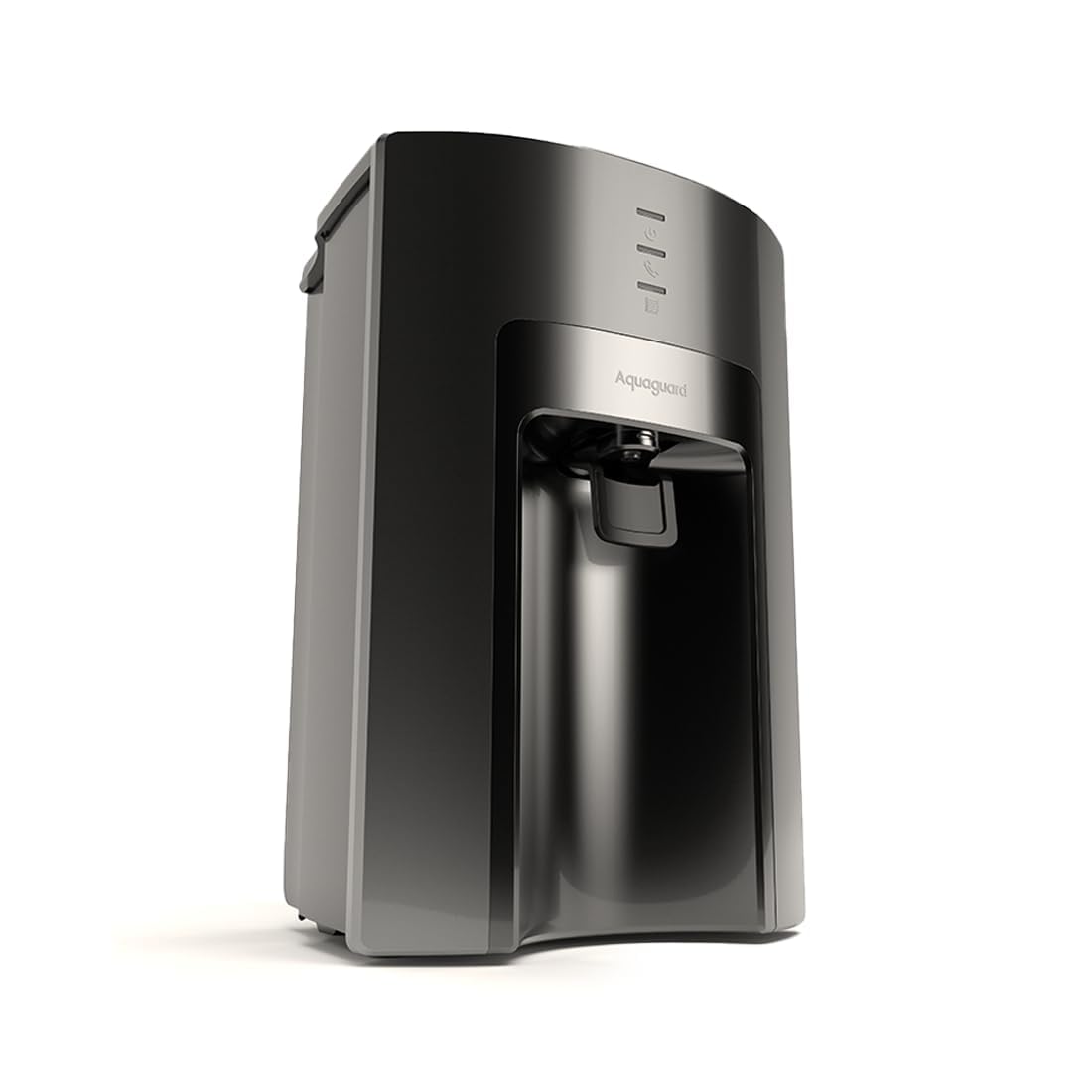
Aquaguard Delight NXT Aquasaver 9-Stage Water Purifier

Livpure Allura Prime Water Purifier RO+UV+UF+Copper+Alkaline

Aquaguard Enrich Ritz Pro RO+UV+Copper+Alkaline Water Purifier
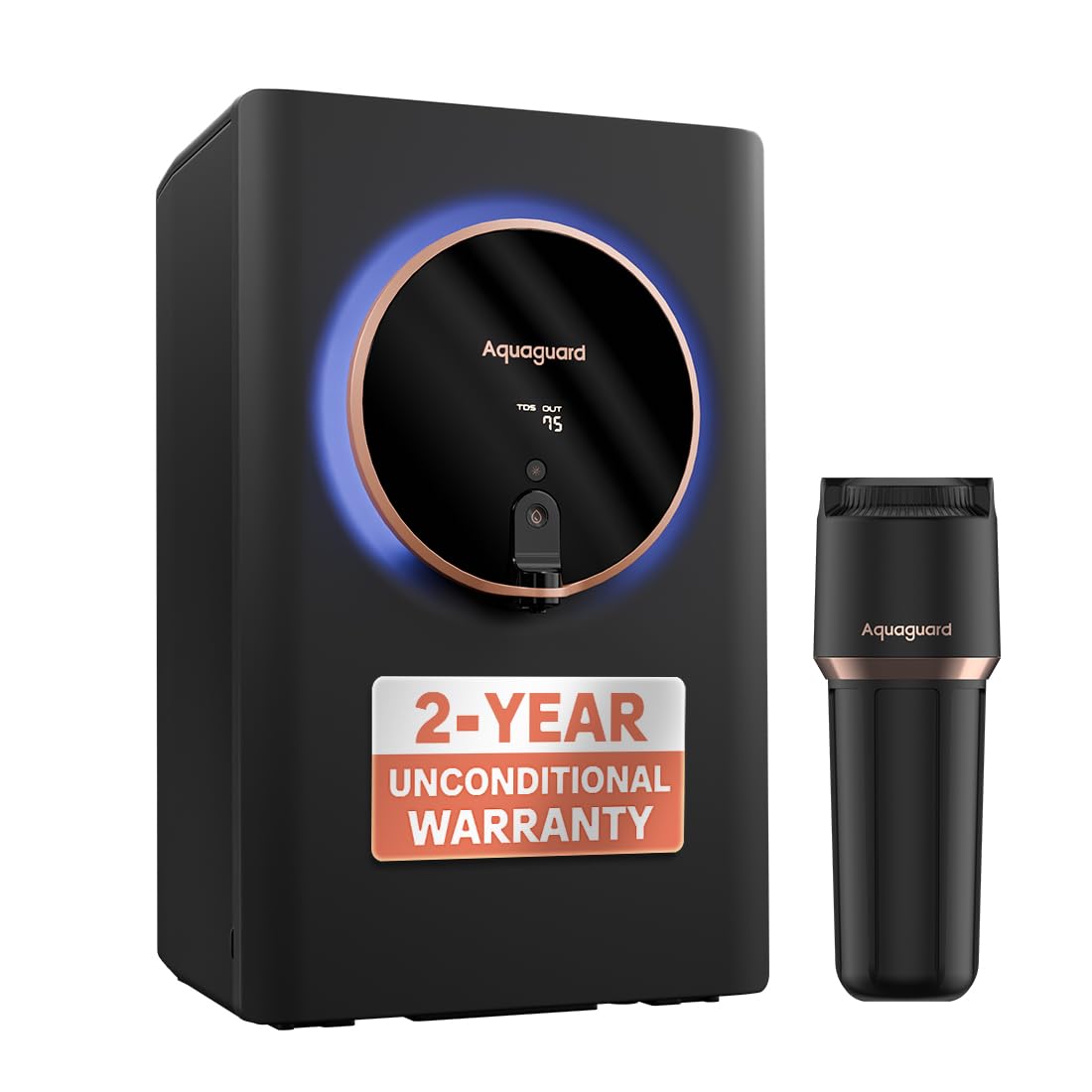
Aquaguard Aspire Glow RO+UV+Copper+Alkaline Water Purifier

Livpure GLO PRO++ RO+UV+UF

Aquaguard ASPIRE Blaze RO+UV Water Purifier

KENT Crystal Alkaline RO Water Purifier

Aquaguard Marvel NXT Active Copper RO+UV+UF + 1 Free Alkaline Bottle
Livpure GLO PRO++
Aquaguard Delight Aquasaver RO+UV+UF+MC
Aquaguard Delight NXT Aquasaver 9-Stage Water Purifier
Livpure Allura Prime Water Purifier RO+UV+UF+Copper+Alkaline
Aquaguard Enrich Ritz Pro RO+UV+Copper+Alkaline Water Purifier
Aquaguard Aspire Glow RO+UV+Copper+Alkaline Water Purifier
Livpure GLO PRO++ RO+UV+UF
Aquaguard ASPIRE Blaze RO+UV Water Purifier
KENT Crystal Alkaline RO Water Purifier
Aquaguard Marvel NXT Active Copper RO+UV+UF + 1 Free Alkaline Bottle
Recommended Purifier Guides for This Topic
Ready to buy or compare models? Explore our lab-tested recommendations tailored to your home's water.
Best Water Purifiers for Babies & Infants in India (2026)
Protect your newborn. We review the most trusted, baby-safe water purifiers featuring BPA-free tanks, heavy metal shields, and 100% UV/UF sterilization.
Top Water Purifiers Recommended by Doctors & Pediatricians (2026 Clinical Review)
Discover the top water purifiers recommended by doctors and pediatricians in India. Medical-grade stainless steel tanks, 100% RO, UV-C sterilisation, and pure mineral balance.
Best High-Capacity RO+UV Systems for Large Families with Multiple Children
When you have 3+ kids, an empty RO tank means someone is drinking tap water. Discover the top 5 high-capacity, fast-recovery water purifiers for large households.
Ready to secure your home's water?
Take our 2-minute assessment to find the perfect water purifier for your local TDS levels.
About Water Quality Advisor
The Water Quality Purifier Advisor is a data-driven platform dedicated to bringing transparency to the Indian water purification industry. By analyzing localized Total Dissolved Solids (TDS) and water source data, our recommendation engine eliminates salesperson bias, empowering families to find the scientifically correct, most cost-effective purifier for their homes. Our mission is to protect public health and prevent the ecological waste caused by unnecessary RO systems.
Ready for Expert Advice?
Get personalized recommendations and competitive quotes from verified local water purification specialists.
Your data is secure and never shared.
Similar articles

The Hidden Effects of Hard Borewell Water on Your Hair, Skin, and Health
Experiencing sudden hair fall or dry skin? Learn how hard borewell water damages your skin barrier and hair follicles, and discover the scientific solutions to fix it.
Can You Use a UV/UF Purifier for Borewell Water? (Read Before Buying)
Thinking about buying a cheaper UV/UF purifier for your borewell water? Learn about the limitations of Ultrafiltration and Ultraviolet tech for high TDS groundwater.
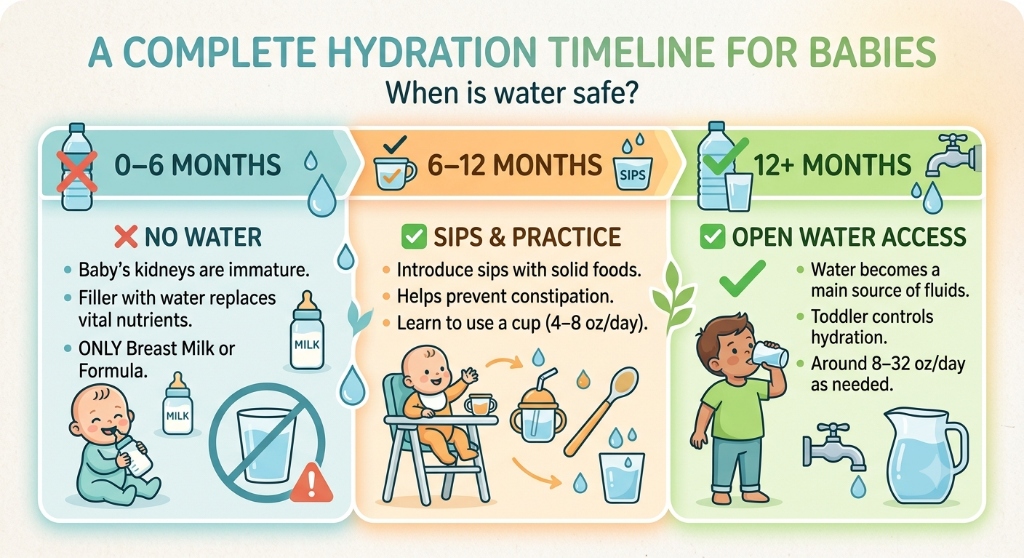
What Age is Water Safe for Babies? (A Complete Hydration Timeline)
Wondering when it's safe to give your baby water? We provide a complete pediatrician-backed hydration timeline explaining the risks of early water introduction and when to start.
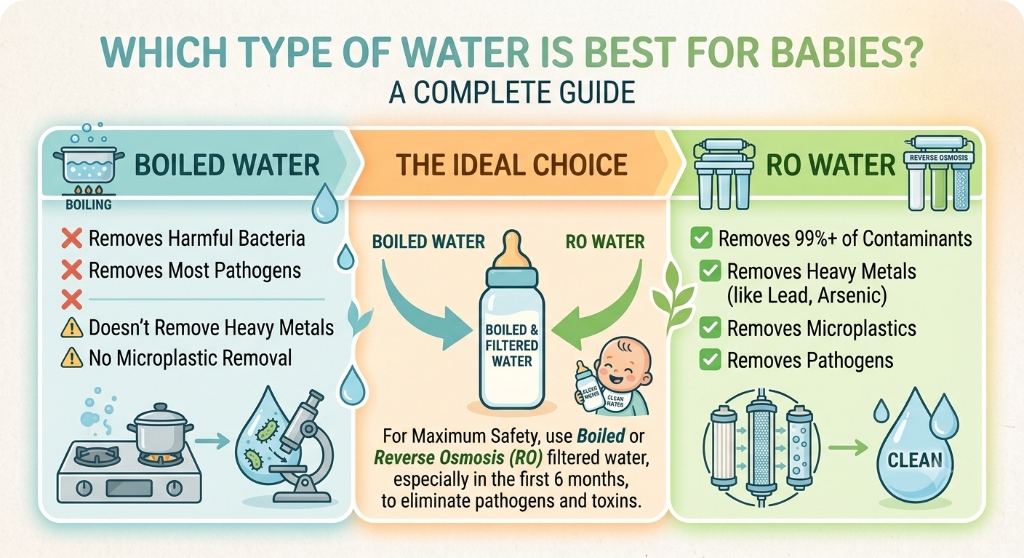
Boiled Water vs. RO Water: Which Type of Water is Best for Babies?
Is boiling water enough to make it safe for your baby, or do you need an RO purifier? We compare boiled tap water vs RO water to uncover the hidden dangers of heavy metals.

What Happens When You Drink High TDS Water? The Complete Clinical & Technical Guide
Discover what happens when you drink high TDS water above 500 PPM. Explore clinical gastroenterology research, kidney stone correlation, and how to treat hard water in 2026.
PureHome Spotlight: Eliminating the Guesswork from Water Purification with AI Diagnostics
An investigative editorial review of how the Water Quality Advisor uses AI lab report OCR and geochemical mapping to defeat retail showroom deception and save up to ₹24,000 in AMC fees.
Is Boiling Borewell Water Enough to Make It Safe for Drinking?
Discover why boiling borewell water kills bacteria but fails to remove heavy metals, excess TDS, and hardness. Read our complete guide to find out what you actually need.
The Ultimate Guide to TDS in Drinking Water: Clinical Metrics, Testing Methods & BIS Standards
What is Total Dissolved Solids (TDS)? Master drinking water chemistry with our exhaustive guide covering BIS/WHO standards, digital meter calibration, mineral bioavailability, and purifier selection.
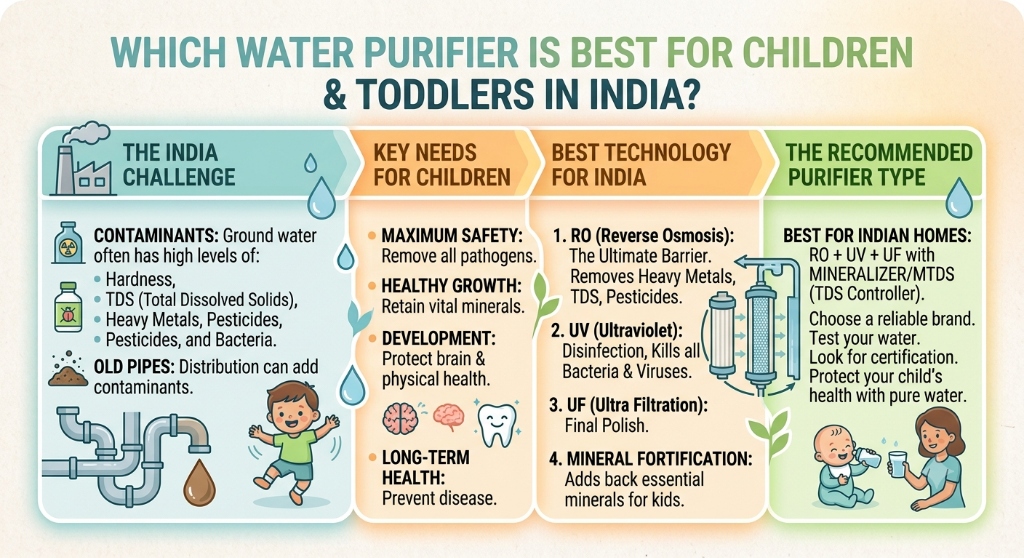
Which Water Purifier is Best for Children & Toddlers in India?
Looking for the safest water purifier for your toddler? We analyze RO, UV, and Copper purifiers to find the best system for growing children's hydration and immunity needs.
Avoiding AMC Traps: How to Calculate the True 5-Year Cost of Water Purifiers
Don't fall for subsidized upfront price tags. Learn how to calculate the true 5-year Total Cost of Ownership (TCO) of water purifiers, defeat RFID microchip locks, and save up to ₹17,500 on maintenance.
The Hidden Effects of Hard Borewell Water on Your Hair, Skin, and Health
Experiencing sudden hair fall or dry skin? Learn how hard borewell water damages your skin barrier and hair follicles, and discover the scientific solutions to fix it.
Can You Use a UV/UF Purifier for Borewell Water? (Read Before Buying)
Thinking about buying a cheaper UV/UF purifier for your borewell water? Learn about the limitations of Ultrafiltration and Ultraviolet tech for high TDS groundwater.
What Age is Water Safe for Babies? (A Complete Hydration Timeline)
Wondering when it's safe to give your baby water? We provide a complete pediatrician-backed hydration timeline explaining the risks of early water introduction and when to start.
Boiled Water vs. RO Water: Which Type of Water is Best for Babies?
Is boiling water enough to make it safe for your baby, or do you need an RO purifier? We compare boiled tap water vs RO water to uncover the hidden dangers of heavy metals.
What Happens When You Drink High TDS Water? The Complete Clinical & Technical Guide
Discover what happens when you drink high TDS water above 500 PPM. Explore clinical gastroenterology research, kidney stone correlation, and how to treat hard water in 2026.
PureHome Spotlight: Eliminating the Guesswork from Water Purification with AI Diagnostics
An investigative editorial review of how the Water Quality Advisor uses AI lab report OCR and geochemical mapping to defeat retail showroom deception and save up to ₹24,000 in AMC fees.
Is Boiling Borewell Water Enough to Make It Safe for Drinking?
Discover why boiling borewell water kills bacteria but fails to remove heavy metals, excess TDS, and hardness. Read our complete guide to find out what you actually need.
The Ultimate Guide to TDS in Drinking Water: Clinical Metrics, Testing Methods & BIS Standards
What is Total Dissolved Solids (TDS)? Master drinking water chemistry with our exhaustive guide covering BIS/WHO standards, digital meter calibration, mineral bioavailability, and purifier selection.
Which Water Purifier is Best for Children & Toddlers in India?
Looking for the safest water purifier for your toddler? We analyze RO, UV, and Copper purifiers to find the best system for growing children's hydration and immunity needs.
Avoiding AMC Traps: How to Calculate the True 5-Year Cost of Water Purifiers
Don't fall for subsidized upfront price tags. Learn how to calculate the true 5-year Total Cost of Ownership (TCO) of water purifiers, defeat RFID microchip locks, and save up to ₹17,500 on maintenance.
Next Steps: Free Water Tools & Guides
Continue your research with our interactive calculators, AI assessment, and expert buying guides.
Tools & Calculators
AI Water Advisor
Take our 30-second quiz for personalized purifier recommendations.
Maintenance Estimator
Avoid AMC traps and calculate your exact 5-year filter replacement costs.
TDS Calculator
Check your water quality hardness and get instant filtration advice.
5-Year TCO Calculator
Compare long-term costs of Buying vs Renting vs Water Jars.
Smart Purifier Catalog
Browse our full catalog of water purifiers with advanced filtering.
Top Blog Posts & Guides
Top 10 Purifiers in India
Lab-tested rankings of 2026's best purifiers with 5-year AMC costs.
Best RO for Borewell
High-TDS purification systems tailored for hard borewell water.
Best for Municipal Water
Low-maintenance UV/UF purifiers for municipal corporation supply.
Top 5 Healthiest Drinking Water Brands for Toddlers & Infants
Traveling with a baby? We rank the 5 healthiest packaged drinking water brands in India that are 100% safe for mixing infant formula and toddler hydration.
Can Babies Drink Purified Water with Formula? (Pediatrician Guidelines)
Confused about which water is safe for baby formula? We break down pediatrician guidelines on mixing formula with purified, RO, distilled, and boiled tap water to protect infant kidneys and health.
Comments & Discussion
0 Comments