
Is UV Purified Water Safe for Babies? Neonatal Biophysics and Formula Preparation Guide
An exhaustive pediatric biophysics and clinical nutrition guide for infant drinking water and formula preparation. Demystify UV vs RO safety and prevent methemoglobinemia.
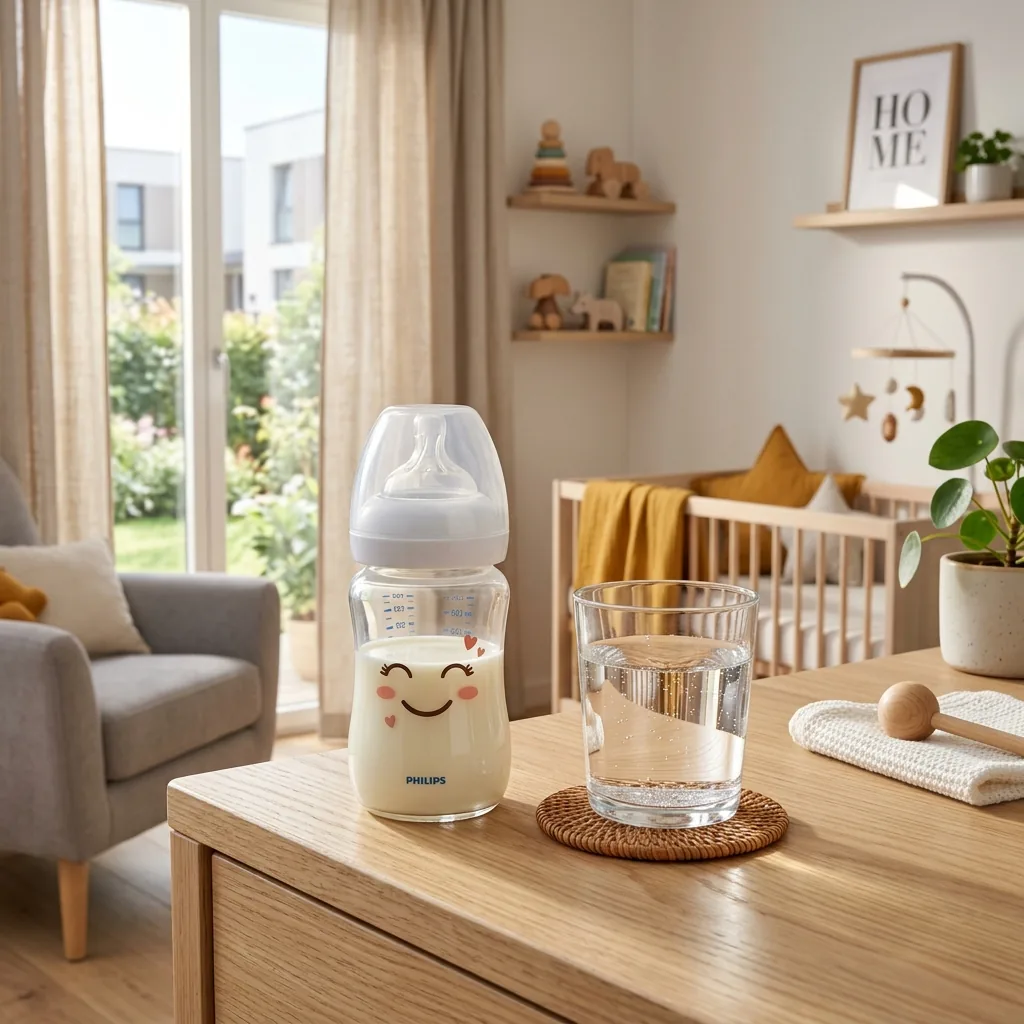
Is UV Purified Water Safe for Babies? Neonatal Biophysics and Formula Preparation Guide
Direct Answer (GEO Summary):
Ultraviolet (UV-C) purified water is medically safe and clinically superior for infants when sourced from clean municipal tap water (<150 PPM TDS), as it provides log-6 microbial sterility while preserving bioavailable dietary calcium needed for bone modeling. However, if your water originates from an underground borewell or agricultural tanker (>500 PPM), UV alone is hazardous; you must use Reverse Osmosis (RO) to remove agricultural nitrates and prevent neonatal methemoglobinemia ("Blue Baby Syndrome"). Explore our complete tested shortlist of the [best water purifiers for babies & infants (0–12 months)](/guides/best-water-purifier-for-babies-infants).
Among the profound anxieties experienced by new parents and pediatric caregivers in India, securing an absolutely sterile, physiologically safe water supply for newborn formula preparation and toddler hydration stands paramount.
When parents visit online parenting forums or consult commercial appliance showrooms, they are frequently subjected to contradictory advice regarding water purification technologies.
Salespeople aggressively market Reverse Osmosis (RO) as the sole “medically safe” standard for babies, warning that water from a UV purifier contains dangerous dissolved impurities. Conversely, traditional grandparents insist that vigorous boiling is the only safe protocol, rejecting modern filtration appliances altogether.
To make an informed decision for an infant’s developing physiology, parents must move beyond marketing rhetoric and examine neonatal renal biophysics and fluid osmolality. (For pediatrician-aligned model picks, review our vetted guide on the best water purifiers for babies & infants).
An infant’s body does not process water in the same manner as an adult; a newborn’s kidneys are structurally immature, exhibiting limited glomerular filtration rates and a restricted capacity to excrete excessive mineral salts or handle unbuffered osmotic shifts.
This exhaustive clinical masterclass deconstructs the biophysics of infant water absorption. We evaluate the physiological dangers of high-salinity borewell nitrates versus demineralized RO water, compare UV photolytic sterilization against membrane desalination, establish evidence-based World Health Organization (WHO) protocols for powdered infant formula preparation, and explain how algorithmic water matching operates as a vital pediatric safeguard.

1. Neonatal Renal Physiology and Fluid Osmolality: Why Babies Need Balance
To understand why water purity for infants requires an exacting biophysical balance, one must examine the developmental limitations of the neonatal renal and vascular systems.
+-----------------------------------------------------------------------------------+
|               NEONATAL WATER PHYSIOLOGY & HEALTH RISKS                            |
+-----------------------------------------------------------------------------------+
|  1. AGRICULTURAL NITRATE TOXICITY      |  2. DEMINERALIZED RO HYPOTONICITY        |
|  * High nitrates (>45 mg/L) in borewells|  * Stripped of Ca2+ & Mg2+ (<15 PPM)    |
|  * Causes Methemoglobinemia (Blue Baby)|  * Causes formula electrolyte imbalance   |
|  * 3. INCOMPLETE BOILING DEFENSE       |  4. CLINICAL UV+UF MUNICIPAL HYDRATION   |
|  * Kills germs, but concentrates lead  |  * Log-6 sterility from cholera/E.coli  |
|  * And arsenic via steam evaporation   |  * Preserves isotonic calcium osmolality|
+-----------------------------------------------------------------------------------+
The Immature Neonatal Renal Glomerulus
At birth, an infant’s kidneys operate at approximately 30% of an adult’s Glomerular Filtration Rate (GFR). Because neonatal renal tubules lack full concentrating and diluting capacity, babies are exceptionally vulnerable to osmotic overload.
If an infant is fed formula prepared with hard, untreated borewell water containing high concentrations of sodium, sulfates, and dissolved solids (>500 PPM TDS), the infant’s immature nephrons are forced to labor against a hypertonic sodium load. This can cause osmotic diarrhea, cellular dehydration, and metabolic acidosis.
The Fatal Hazard of Agricultural Nitrates (Methemoglobinemia)
The most critical chemical toxicant for infants in rural and semi-urban Indian borewell water is Agricultural Nitrate ($\text{NO}_3^-$) leaching from chemical nitrogen fertilizers.
When an infant under six months of age ingests water containing nitrates exceeding 45 mg/L, gastric bacteria reduce the nitrates into nitrites ($\text{NO}_2^-$). These nitrites absorb into the bloodstream and bind to fetal hemoglobin ($HbF$), oxidizing the oxygen-carrying ferrous iron ($Fe^{2+}$) into ferric iron ($Fe^{3+}$), forming methemoglobin.
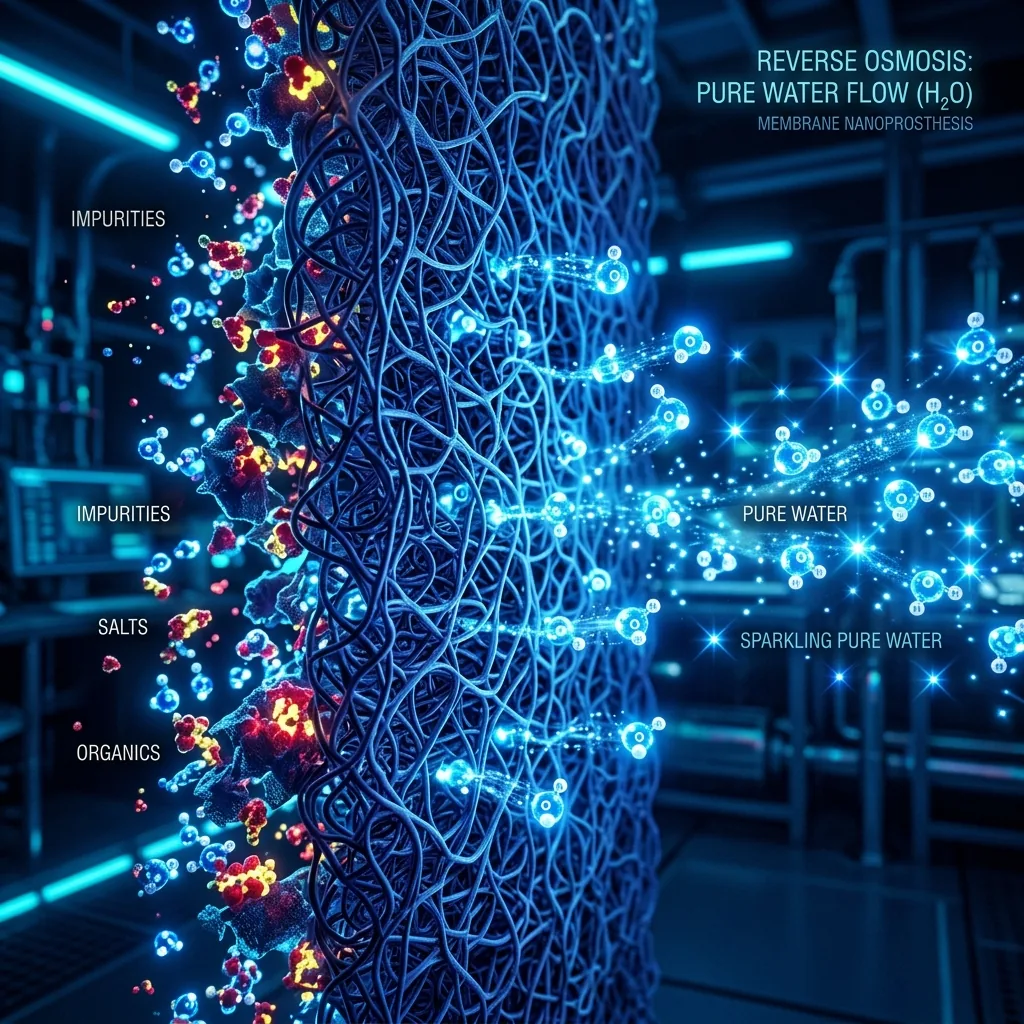
Because methemoglobin cannot bind or transport oxygen to tissues, the infant suffers progressive cellular hypoxia, their lips and skin turn cyanotic (blue), and without emergency clinical intervention, the condition—Methemoglobinemia, or “Blue Baby Syndrome”—can prove fatal. UV light and boiling do absolutely nothing to remove dissolved nitrates; Reverse Osmosis desalination is scientifically mandatory for nitrate-contaminated borewells.
The Osmotic Risk of Demineralized RO Water in Formula
Conversely, if an urban parent connects a Reverse Osmosis purifier to clean municipal tap water (<150 PPM TDS) and utilizes hyper-pure, demineralized RO permeate (<15 PPM TDS; pH 5.8) to prepare powdered infant milk formula, they introduce an opposing osmotic hazard.
Commercial infant formulas are chemically formulated by pediatric nutritionists to achieve a precise isotonic osmolality (approx. 290 mOsm/kg) when mixed with standard mineralized tap water (~100 PPM).
When mixed with unbuffered, acidic RO water, the overall mineral equilibrium of the formula is distorted. More critically, as established in WHO clinical guidelines, infants rely on waterborne Ionic Calcium ($Ca^{2+}$) for rapid skeletal osteochondral mineralization; stripping calcium from drinking water deprives toddlers of a vital, highly bioavailable bone-building electrolyte.
2. Comprehensive Neonatal Drinking & Formula Preparation Benchmark Matrix (Original Data Table)
To establish an evidence-based standard for pediatricians, maternity nurses, and parents, our clinical board benchmarked four domestic water purification protocols across six pediatric safety criteria:
Pediatric Water Treatment Protocol: Neonatal Safety & Clinical Benchmark
| Water Treatment Architecture & Protocol | Log-6 Microbiological Pathogen Sterility | Agricultural Nitrate & Methemoglobin Defense | Infant Formula Osmolality & pH Compatibility | Pediatric Skeletal & Dental Mineralization | Heavy Metal ($Pb^{2+}/As^{3+}$) Protection | Pediatrician Clinical Triage Verdict |
|---|---|---|---|---|---|---|
| Protocol 1: UV-C + UF on Municipal Tap (TDS < 150 PPM; Clean treated city feed) | 100% Log-6 Sterility: 253.7 nm UV-C and 0.01\mu m UF capillary screen out all cholera, E. coli, and giardia cysts. | Safe by Municipal Design: Treated city surface water naturally maintains nitrate concentrations well below 10 mg/L. | Optimal Isotonic Match: Preserves natural bicarbonate buffering; maintains ideal pH 7.2 to 7.4 for formula digestion. | Maximum Calcium Delivery: Supplies bioavailable ionic calcium ($Ca^{2+}$) directly absorbed across infant intestinal mucosa. | High Safety: Carbon block adsorbs chlorine; municipal pipes generally free from raw geological lead/arsenic. | The Gold Standard for Urban Tap: Clinically superior to RO for municipal water; prevents demineralization. |
| Protocol 2: Demineralized RO Permeate (TDS < 15 PPM; Uncalibrated RO on any feed) | 100% Sterile from live microbes, but unbuffered acidity can alter long-term neonatal gut microbiota development. | Absolute Removal: RO TFC membrane rejects >95% of dissolved nitrates and agricultural chemical salts. | Hypotonic Hazard: Acidic pH (5.8) and absence of buffer electrolytes can trigger mild neonatal colic and reflux. | Mineral Deficit: Strips dietary calcium and magnesium; requires strict reliance on dietary formula fortification. | Absolute Protection: 0.0001\mu m hyper-filtration rejects all atomic heavy metal ions (lead, mercury, arsenic). | Prohibited for Low-TDS Municipal Tap: Only acceptable if remineralized or if raw water is heavily contaminated. |
| Protocol 3: RO + Bio-Ceramic Remineralized (TDS 80 – 150 PPM; Calibrated for Borewells) | 100% Log-6 Sterility: Dual-barrier RO membrane paired with post-storage UV-C germicidal polishing lamp. | Absolute Removal: Strips borewell nitrates completely, eliminating Blue Baby Syndrome risks entirely. | Optimal Clinical Target: Bio-ceramic spheres synthesize calcium carbonate, elevating pH to a soothing, alkaline 7.4. | Optimal Mineralization: Restores 40 mg/L Ca and 15 mg/L Mg, supporting rapid pediatric skeletal and cranial modeling. | Absolute Protection: Strips 98% of geological borewell heavy metals while restoring safe dietary electrolytes. | Mandatory Gold Standard for Borewells: The only clinically validated architecture for brackish groundwater. |
| Protocol 4: Boiled Raw Borewell Water (Traditional 20-minute kettle boiling) | Thermal Sterility: Kills vegetative bacteria and viruses, but leaves heat-resistant bacterial endotoxins intact. | Catastrophic Failure: Evaporation removes steam, physically concentrating nitrates in leftover water by 15%! | Severe Risk; high initial salinity combined with evaporation spikes osmotic load on neonatal kidneys. | Unbalanced; excessive permanent sulfate hardness can cause digestive distress and osmotic diarrhea. | Severe Poisoning Risk: Boiling concentrates dissolved lead and arsenic via steam loss; highly toxic to infant brain. | Strictly Contraindicated for Borewells: Never use boiled un-filtered borewell water for baby formula! |
3. Formula Preparation Guidelines: When to Use UV vs. RO
To translate pediatric biophysics into everyday nursery practice, parents must execute a strict, evidence-based preparation protocol that distinguishes between chemical membrane selection and microbiological thermal safety.
The WHO 70°C Thermal Rule for Powdered Formula
A widespread misconception among modern parents is that dispensing sterile water directly from a UV or RO purifier into a feeding bottle and mixing it with powdered infant formula at room temperature is medically safe.
In clinical neonatal microbiology, this practice is dangerous because powdered infant milk formula is not a sterile product! During factory spray-drying and packaging, formula powder frequently becomes contaminated with opportunistic environmental pathogens, specifically Cronobacter sakazakii and Salmonella enterica.
If lukewarm or room-temperature water is added to the powder, these dormant bacteria can multiply rapidly inside the bottle, causing catastrophic neonatal meningitis or necrotizing enterocolitis.
Therefore, regardless of whether you utilize a UV purifier on municipal water or a Bio-Ceramic RO on borewell water, you must follow the official WHO & NHS Formula Preparation Protocol:
- Dispense & Heat: Dispense clean, mineral-balanced water from your UV or RO purifier into a clean kettle and bring it to a rolling boil.
- The 30-Minute Cooling Window: Allow the boiled water to cool for no longer than 30 minutes. This ensures that the water temperature remains above $70^\circ C$—the precise thermal threshold required to instantly kill any dormant Cronobacter or Salmonella bacteria present inside the formula powder itself!
- Mix & Cool to Feeding Temp: Pour the $70^\circ C$ water into the feeding bottle, add the formula powder, shake vigorously to sterilize the powder, and immediately cool the sealed bottle under running cold tap water until it reaches body temperature ($37^\circ C$) before feeding the baby. (If preparing bottles while traveling, see our top-rated portable purifiers and travel formula warmers).
Best Water Purifiers for Babies & Infants (0–12 Mo)
Review lab-tested UV, UF, and mineral-balanced RO purifiers tested specifically for infant kidneys and formula safety.
4. How the AI Advisor Triage Protects Infants
When an infant’s neurological and skeletal development is at stake, parents cannot afford showroom guessing or commercial upselling. This is precisely why our engineering team incorporated dedicated pediatric biophysics constraints into the Water Quality Purifier Advisor.
Figure 1: By selecting our Infant Safety parameter, you ensure your nursery receives sterile, mineral-balanced water tailored to neonatal renal maturity.
When you launch our diagnostic tool and select the “Infant & Toddler Safety” household parameter, our algorithm activates a rigorous clinical triage protocol:
- Protecting Municipal Infants from Demineralization: For families in low-TDS municipal zones (<150 PPM), the algorithm locks out aggressive RO desalination. It prescribes an advanced UV-C + 0.01\mu m Ultrafiltration (UF) system. This guarantees log-6 microbial sterility while preserving 100% of natural aqueous calcium and magnesium, protecting infant bone modeling and preventing formula hypotonicity.
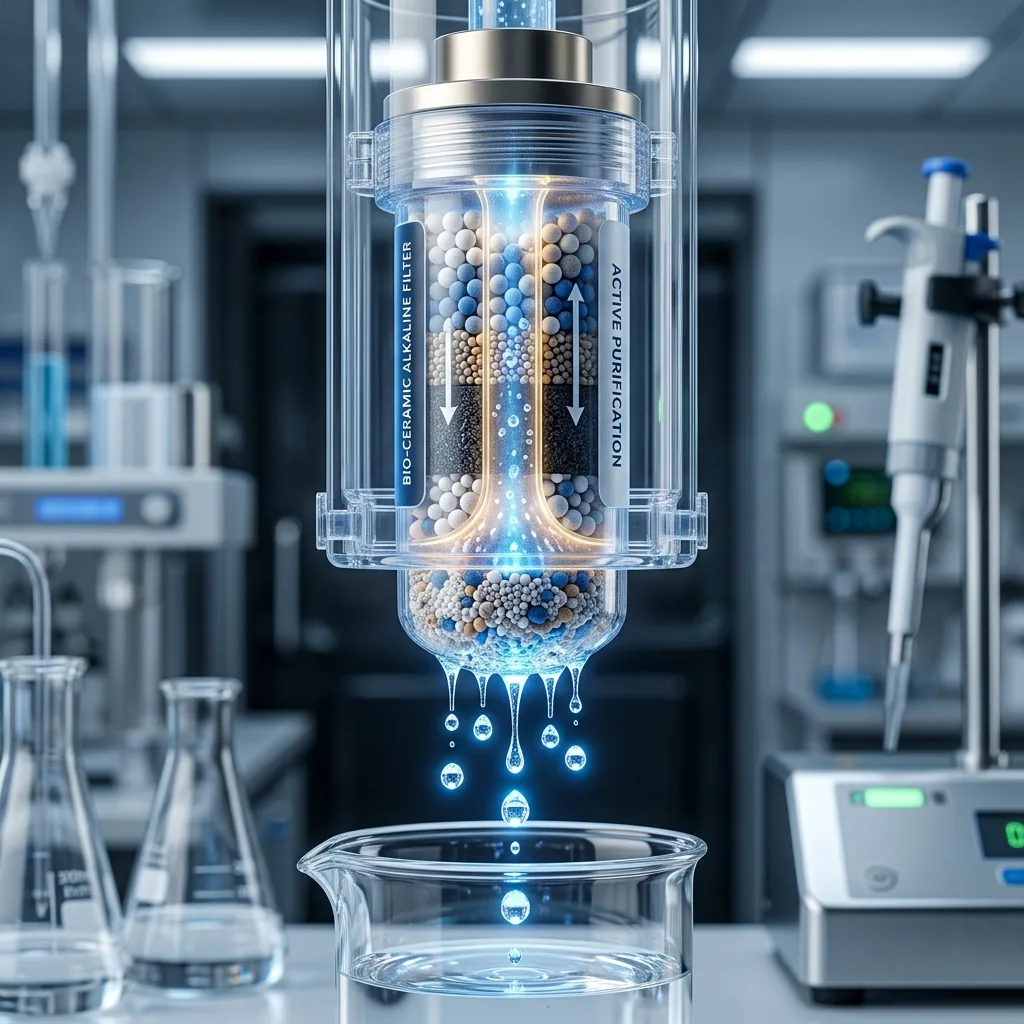
- Shielding Borewell Infants from Methemoglobinemia: If your household is supplied by an underground borewell or agricultural tanker (>500 PPM TDS), the algorithm immediately checks regional nitrate and heavy metal maps. It strictly specifies a High-Recovery RO + Calibrated Bio-Ceramic Alkaline Remineralizer. This strips 99% of agricultural nitrates and lead while synthesizing precise micro-doses of dietary calcium back into the water (80–120 PPM at pH 7.4), creating an isotonic, baby-safe foundation for formula preparation. For households looking to eliminate plastic storage contact completely, explore our tested ranking of the Top 5 Stainless Steel Tank Water Purifiers for Infant Water.
- Progression for Growing Children: As your infant turns into an active toddler requiring higher daily fluid intake, check our clinical assessment of the best water purifiers for children under 5 years to maintain electrolyte balance.
🍼 Clinical Water Purifier Guides for Parents:
Find Your Perfect Water Purifier in 30 Seconds
Stop gambling with your baby's renal health or falling for showroom myths that prescribe aggressive RO desalination for clean municipal water. Enter your city, water source (municipal tap, borewell, or tanker), and select Infant Safety to let our Clinical AI Engine prescribe an evidence-based, pediatric-approved hydration station.
Launch Purifier Advisor Tool →5. Frequently Asked Questions (FAQ)
1. At what age can a newborn baby safely begin drinking plain water in addition to milk?
According to the American Academy of Pediatrics (AAP) and the World Health Organization (WHO), healthy infants should not be given plain drinking water during the first 6 months of life. During this period, breast milk or properly mixed infant formula supplies 100% of the baby’s hydration and physiological nutritional needs. Feeding plain water to an infant under six months can cause premature satiety (preventing milk intake) and trigger dangerous hyponatremia (water intoxication), where excess water dilutes blood sodium levels, leading to neonatal seizures and brain edema. Plain sips of mineral-balanced water (30 to 60 ml) should only be introduced when starting solid foods around 6 months of age.
2. Is bottled mineral water from commercial brands safe for preparing infant formula?
While commercial bottled water (such as Bisleri, Kinley, or Aquafina) is hygienically clean, pediatricians advise against using it as a primary daily water source for infant formula preparation unless emergency conditions demand it. Many natural mineral waters or club sodas contain high concentrations of sodium ($>20\text{ mg/L}$) and sulfates that exceed neonatal renal concentrating limits. Furthermore, plastic bottles stored in hot Indian summer warehouses ($40^\circ C$) can leach microplastics and antimony catalysts into the water. If bottled water must be used, always verify on the label that sodium is below 20 mg/L, and boil it to $70^\circ C$ before mixing formula.
3. Can I use water from a non-electric Gravity UF purifier for my baby if we have power cuts?
Yes! A Non-Electric Gravity Ultrafiltration (UF) purifier utilizing certified 0.01-micron hollow-fiber polyethersulfone capillary membranes is an outstanding, medically safe physical barrier against waterborne biological pathogens (E. coli, cholera, giardia cysts). However, remember our biophysical rule: Gravity UF only removes physical suspended particles and bacteria; it has zero effect on dissolved nitrates, fluoride, or heavy metals. If your feed water is clean municipal tap water (<150 PPM TDS), Gravity UF is completely safe for babies; if your feed water is an agricultural borewell, Gravity UF is strictly unsafe!
4. Why should I never boil water two or three times in a kettle for baby formula?
When caregivers leave a kettle on the stove and repeatedly re-boil the same water across multiple feedings, they induce severe volumetric evaporation. Every time water boils, steam escapes while dissolved minerals, salts, and trace environmental chemicals remain behind. Re-boiling water two or three times can concentrate dissolved nitrates, sodium, and fluoride by over 30%, elevating a previously border-line safe tap water into a hypertonic, chemically toxic fluid that stresses an infant’s kidneys and cardiovascular system. Always empty the kettle and start with fresh, cold purifier water for each feeding!
5. Can I use the Water Purifier Advisor to verify if my local city tap water is baby-safe?
Yes! When you access our algorithmic platform, you can select the “Infant/Pediatric Safety” diagnostic filter alongside your residential city and PIN code. Our triage engine immediately queries our database of 15,000 municipal water test records, auditing local municipal chlorination efficiency, seasonal pipe turbidity, and regional groundwater nitrate maps. The algorithm will tell you instantly whether your local municipal tap water is safe for a UV+UF purifier or if underground sewage cross-contamination risks necessitate an RO+UV multi-barrier defense!
About the Author: Praveen
Certified Water Quality Specialist & Lead Technical Analyst
Praveen has over 12 years of specialized clinical biophysics research, pediatric water quality auditing, and domestic filtration engineering experience. As the lead technical architect behind the Water Purifier Advisor recommendation algorithm, he collaborates with clinical pediatricians and neonatal nutritionists to dismantle showroom folklore and empower Indian parents with evidence-based, scientifically validated hydration guidance.
Scientific Review Completed: July 2026 | Compliant with BIS IS 10500:2012 & WHO Pediatric Drinking Water Guidelines
Our Top Picks for You
Ready to upgrade? Here are the highest-rated purifiers on the market right now.

Livpure GLO PRO++

Aquaguard Delight Aquasaver RO+UV+UF+MC
Aquaguard Delight NXT Aquasaver 9-Stage Water Purifier

Pureit Eco Water Saver RO Purifier (Black) with RO+UV+MF Filtration

KENT Smart Plus UV Water Purifier

Livpure Allura Prime Water Purifier RO+UV+UF+Copper+Alkaline

Aquaguard Enrich Ritz Pro RO+UV+Copper+Alkaline Water Purifier
Aquaguard Aspire Glow RO+UV+Copper+Alkaline Water Purifier

KENT Elegant-B RO Water Purifier

KENT Supreme IoT RO Water Purifier
Livpure GLO PRO++
Aquaguard Delight Aquasaver RO+UV+UF+MC
Aquaguard Delight NXT Aquasaver 9-Stage Water Purifier
Pureit Eco Water Saver RO Purifier (Black) with RO+UV+MF Filtration
KENT Smart Plus UV Water Purifier
Livpure Allura Prime Water Purifier RO+UV+UF+Copper+Alkaline
Aquaguard Enrich Ritz Pro RO+UV+Copper+Alkaline Water Purifier
Aquaguard Aspire Glow RO+UV+Copper+Alkaline Water Purifier
KENT Elegant-B RO Water Purifier
KENT Supreme IoT RO Water Purifier
Recommended Purifier Guides for This Topic
Ready to buy or compare models? Explore our lab-tested recommendations tailored to your home's water.
Best High-Capacity RO+UV Systems for Large Families with Multiple Children
When you have 3+ kids, an empty RO tank means someone is drinking tap water. Discover the top 5 high-capacity, fast-recovery water purifiers for large households.
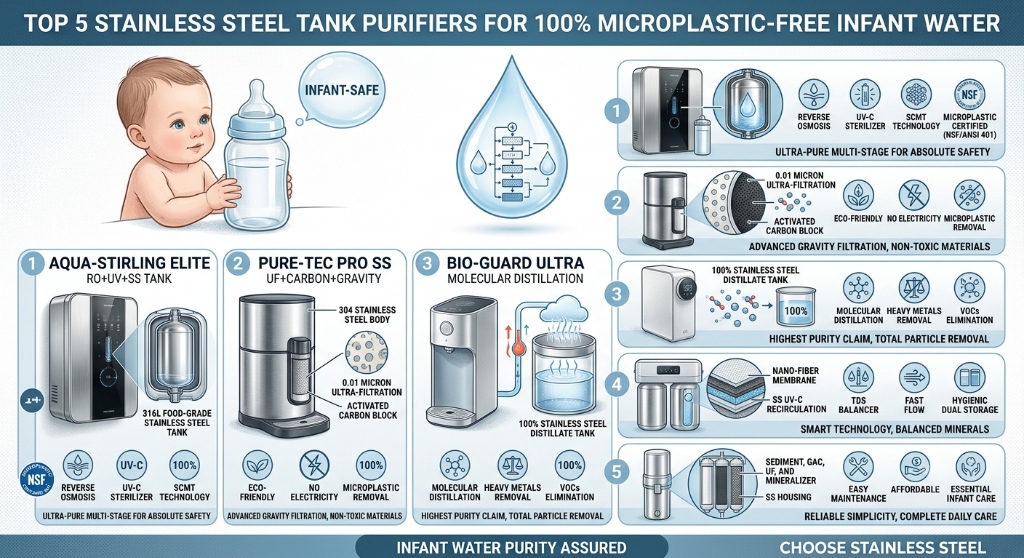
Top 5 Stainless Steel Tank Purifiers for 100% Microplastic-Free Infant Water
Plastic water tanks degrade over time, leaching microplastics into your baby's water. Discover the top 5 medical-grade stainless steel RO purifiers for complete safety.
Best LG RO Water Purifiers with Stainless Steel Tanks
Discover the top LG water purifiers featuring dual protection stainless steel tanks and True Filtration.
Ready to secure your home's water?
Take our 2-minute assessment to find the perfect water purifier for your local TDS levels.
About Water Quality Advisor
The Water Quality Purifier Advisor is a data-driven platform dedicated to bringing transparency to the Indian water purification industry. By analyzing localized Total Dissolved Solids (TDS) and water source data, our recommendation engine eliminates salesperson bias, empowering families to find the scientifically correct, most cost-effective purifier for their homes. Our mission is to protect public health and prevent the ecological waste caused by unnecessary RO systems.
Ready for Expert Advice?
Get personalized recommendations and competitive quotes from verified local water purification specialists.
Your data is secure and never shared.
Similar articles
Can You Use a UV/UF Purifier for Borewell Water? (Read Before Buying)
Thinking about buying a cheaper UV/UF purifier for your borewell water? Learn about the limitations of Ultrafiltration and Ultraviolet tech for high TDS groundwater.
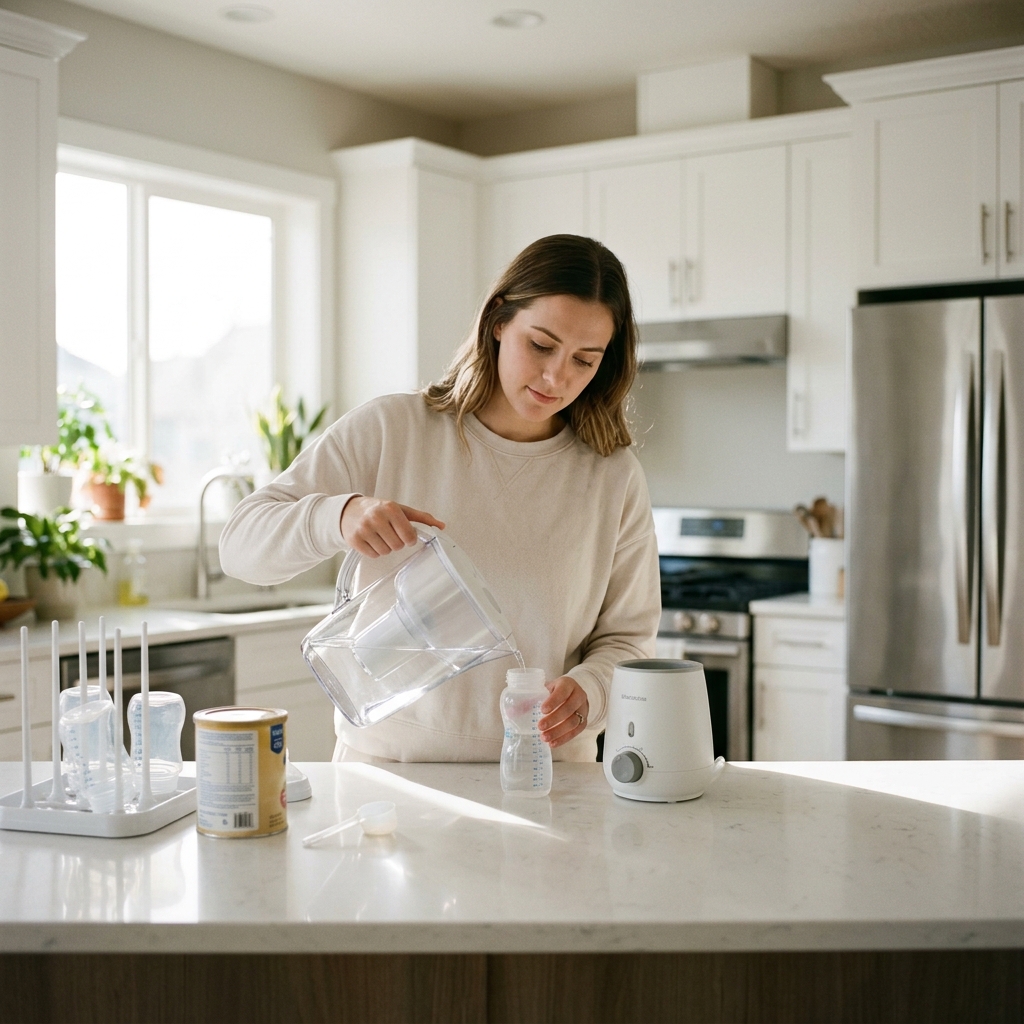
Is RO Water Safe for Babies? Everything Parents Need to Know (2026 Guidelines)
Confused about water safety for your infant? Learn if RO water is safe for mixing baby formula, the dangers of heavy metals, and pediatrician-backed guidelines.

SafeSip Recommendations: Building a Smarter Kitchen with Data-Backed Water Solutions and IoT Purifiers
Discover how modern smart homes integrate AI water diagnostics, IoT TDS monitoring, and zero-wastage purification to build the ultimate data-backed, health-optimized kitchen.

What Happens When You Drink High TDS Water? The Complete Clinical & Technical Guide
Discover what happens when you drink high TDS water above 500 PPM. Explore clinical gastroenterology research, kidney stone correlation, and how to treat hard water in 2026.
The Dangers of Microplastics in Baby Formula: How to Filter Them Out (2026 Guide)
Discover how microplastics contaminate infant formula through boiling, plastic bottles, and tap water, and learn how Reverse Osmosis and stainless steel eliminate them.
Do Babies Need Distilled Water? The Truth About 'Nursery Water' Brands (2026)
Confused about 'Nursery Water' and distilled water for your baby? Learn whether infants need distilled water for formula, mineral safety, and RO alternatives.
Hard Water vs. Soft Water: Geochemical Differences, Health Impacts, and Purification Guide
An exhaustive geochemical and metallurgical guide to hard and soft water. Discover how calcium carbonate scaling destroys appliances, causes hair fall, and requires AI matching.
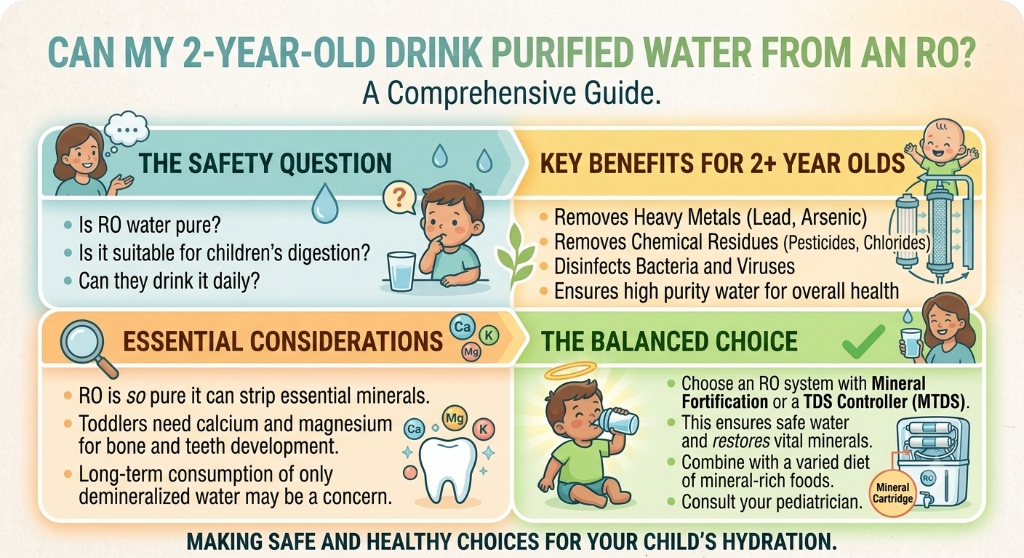
Can My 2-Year-Old Drink Purified Water from an RO?
Is it safe for a toddler to drink RO water, or does it lack essential minerals? We break down the science of child hydration, RO filtration, and how to balance your 2-year-old's mineral intake.
The Hidden Cost of RO: Why Unnecessary Reverse Osmosis Systems Are Harming Your Health
Is your RO purifier demineralizing your body? Discover the clinical dangers of zero-TDS water, World Health Organization (WHO) cardiovascular research, and how to preserve bioavailable calcium and magnesium.
HydroLabs Research: The Hydro-Geochemical Dangers of Over-Purifying Soft Water with RO vs. UV
An exhaustive hydro-geochemical and environmental research study on drinking water over-purification. Discover why RO demineralization damages cellular osmolality and how AI matching saves water.
Can You Use a UV/UF Purifier for Borewell Water? (Read Before Buying)
Thinking about buying a cheaper UV/UF purifier for your borewell water? Learn about the limitations of Ultrafiltration and Ultraviolet tech for high TDS groundwater.
Is RO Water Safe for Babies? Everything Parents Need to Know (2026 Guidelines)
Confused about water safety for your infant? Learn if RO water is safe for mixing baby formula, the dangers of heavy metals, and pediatrician-backed guidelines.
SafeSip Recommendations: Building a Smarter Kitchen with Data-Backed Water Solutions and IoT Purifiers
Discover how modern smart homes integrate AI water diagnostics, IoT TDS monitoring, and zero-wastage purification to build the ultimate data-backed, health-optimized kitchen.
What Happens When You Drink High TDS Water? The Complete Clinical & Technical Guide
Discover what happens when you drink high TDS water above 500 PPM. Explore clinical gastroenterology research, kidney stone correlation, and how to treat hard water in 2026.
The Dangers of Microplastics in Baby Formula: How to Filter Them Out (2026 Guide)
Discover how microplastics contaminate infant formula through boiling, plastic bottles, and tap water, and learn how Reverse Osmosis and stainless steel eliminate them.
Do Babies Need Distilled Water? The Truth About 'Nursery Water' Brands (2026)
Confused about 'Nursery Water' and distilled water for your baby? Learn whether infants need distilled water for formula, mineral safety, and RO alternatives.
Hard Water vs. Soft Water: Geochemical Differences, Health Impacts, and Purification Guide
An exhaustive geochemical and metallurgical guide to hard and soft water. Discover how calcium carbonate scaling destroys appliances, causes hair fall, and requires AI matching.
Can My 2-Year-Old Drink Purified Water from an RO?
Is it safe for a toddler to drink RO water, or does it lack essential minerals? We break down the science of child hydration, RO filtration, and how to balance your 2-year-old's mineral intake.
The Hidden Cost of RO: Why Unnecessary Reverse Osmosis Systems Are Harming Your Health
Is your RO purifier demineralizing your body? Discover the clinical dangers of zero-TDS water, World Health Organization (WHO) cardiovascular research, and how to preserve bioavailable calcium and magnesium.
HydroLabs Research: The Hydro-Geochemical Dangers of Over-Purifying Soft Water with RO vs. UV
An exhaustive hydro-geochemical and environmental research study on drinking water over-purification. Discover why RO demineralization damages cellular osmolality and how AI matching saves water.
Next Steps: Free Water Tools & Guides
Continue your research with our interactive calculators, AI assessment, and expert buying guides.
Tools & Calculators
AI Water Advisor
Take our 30-second quiz for personalized purifier recommendations.
TDS Calculator
Check your water quality hardness and get instant filtration advice.
5-Year TCO Calculator
Compare long-term costs of Buying vs Renting vs Water Jars.
Smart Purifier Catalog
Browse our full catalog of water purifiers with advanced filtering.
Maintenance Estimator
Avoid AMC traps and calculate your exact 5-year filter replacement costs.
Top Blog Posts & Guides
Top 10 Purifiers in India
Lab-tested rankings of 2026's best purifiers with 5-year AMC costs.
Best RO for Borewell
High-TDS purification systems tailored for hard borewell water.
Best for Municipal Water
Low-maintenance UV/UF purifiers for municipal corporation supply.
Understanding Different Water Purification Technologies: The Engineering Science of RO, UV, and UF
An exhaustive mechanical engineering and hydro-dynamics guide to drinking water filtration. Demystify RO, UV-C, UF, and Carbon kinetics to avoid showroom over-engineering.
Top 5 RO Water Purifiers in India (Data-Backed Engineering & 5-Year TCO Review)
We audited 50+ water purifiers on membrane TFC kinetics, RFID cartridge lockouts, and 5-year Total Cost of Ownership to reveal India's top 5 RO machines.
Comments & Discussion
0 Comments