
Fluoride in Tap Water: Is It Safe for Your Toddler’s Developing Teeth? (2026)
Is fluoride in tap water safe for your toddler? Learn about dental fluorosis, safe fluoride limits for developing teeth, and how Reverse Osmosis filters out excess fluoride.
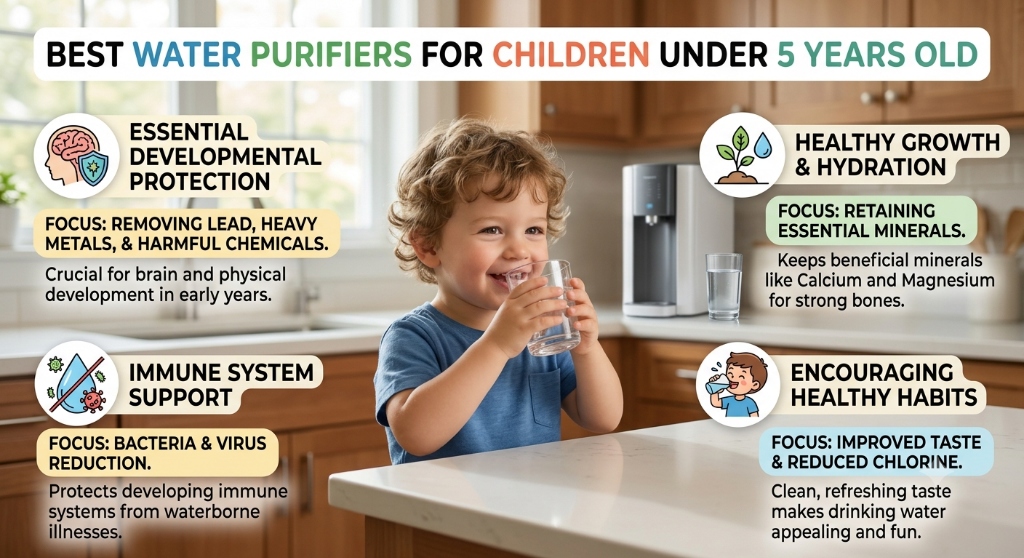
📖 16 min read · Fact-Checked by Praveen, Certified Water Quality Specialist & Environmental Neurotoxicology Analyst
Few public health interventions in modern history have ignited as fierce a scientific, clinical, and regulatory debate as the deliberate addition or natural presence of fluoride in municipal tap and domestic groundwater supplies. For nearly eight decades, mainstream dental associations hailed community water fluoridation as one of the top public health achievements of the twentieth century, credited with drastically reducing early childhood dental cavities across Western democracies.
Yet, over the past five years, a seismic shift has reverberated through pediatric dentistry, toxicology, and environmental law. In September 2024, a historic landmark federal court ruling in California fundamentally altered the global fluoride landscape, concluding that standard municipal fluoridation levels present an unreasonable developmental neurotoxicity risk to the developing brains of fetuses, infants, and young children. Simultaneously, across extensive hydrogeological belts in India, North America, and East Africa, natural bedrock minerals leach fluoride into drinking water at concentrations up to ten times higher than safe biological thresholds, afflicting millions of toddlers with Dental Fluorosis—a permanent, irreversible developmental defect characterized by opaque chalky white streaks, brown enamel pitting, and structural tooth brittleness.
In this exhaustive 2026 clinical investigation, we analyze the landmark 2024 US Federal Court and National Toxicology Program (NTP) findings, examine the cellular biochemistry of dental enamel formation (amelogenesis), evaluate the dangerous synergy between tap water fluoride and swallowed toothpaste, and detail the exact advanced membrane filtration technologies—principally high-rejection 0.0001-micron Reverse Osmosis—required to eliminate toxic fluoride from your toddler’s daily drinking glass.
Table of Contents
- The Historic 2024 US Federal Court Ruling (Food & Water Watch v. EPA)
- The National Toxicology Program (NTP) Monograph on Fluoride & Neurodevelopment
- The Global Ground Zero: Endemic Fluorosis Belts in India & Beyond
- The Cellular Biochemistry of Dental Fluorosis: How Ameloblasts Are Poisoned
- The Systemic Neurotoxic Mechanism: How Fluoride Crosses the Blood-Brain Barrier
- The “Double-Dosing” Ingestion Trap: Tap Water Plus Swallowed Toothpaste
- International Regulatory Standards: WHO, US EPA, & BIS (IS 10500)
- Filtration Architecture: What Actually Removes Fluoride from Water?
- The Clinical Toddler Dental & Hydration Protocol (Ages 1 to 4)
- Authoritative Medical Guidelines: ADA, AAP, WHO, & NTP
- Comprehensive Frequently Asked Questions (Parental & Pediatric FAQs)
- Pediatric Dentistry & Neurotoxicology Glossary
The Historic 2024 US Federal Court Ruling (Food & Water Watch v. EPA)
On September 24, 2024, the legal and public health consensus surrounding drinking water fluoridation experienced a profound paradigm shift.
Following a grueling seven-year trial in the United States District Court for the Northern District of California, Senior U.S. District Judge Edward Chen issued an eighty-page landmark ruling in Food & Water Watch et al. v. Environmental Protection Agency (Case No. 17-cv-02162-EMC). The lawsuit was brought by non-profit public interest groups, mothers of fluorosis-afflicted children, and environmental medicine coalitions under Section 21 of the Toxic Substances Control Act (TSCA).
Key Findings Established by the Federal Court:
- Unreasonable Risk Determination: The federal court legally ruled that fluoridation of public municipal drinking water at the standard recommended level of $0.7\text{ mg/L}$ poses an unreasonable risk of injury to human health, specifically neurodevelopmental harm and cognitive deficits in children.
- Absence of an Adequate Safety Margin: Under established federal toxicological risk assessment principles, an acceptable environmental standard requires an order-of-magnitude safety buffer (typically a factor of 10) between the observable hazard level and human exposure. The court found that because clear neurotoxic harm is documented at $1.5\text{ mg/L}$, standard municipal fluoridation at $0.7\text{ mg/L}$ leaves zero margin of safety for pregnant women, infants, and toddlers.
- Judicial Mandate to the EPA: The court ordered the EPA to initiate formal regulatory action under TSCA to eliminate this unreasonable risk, setting the stage for a nationwide reassessment or outright ban on artificial community water fluoridation in the United States.
This legal milestone marked the first time in federal jurisprudence that a mandatory water additive was judicially certified as an unreasonable developmental hazard to pediatric intelligence.
The National Toxicology Program (NTP) Monograph on Fluoride & Neurodevelopment
The evidentiary cornerstone of the federal court’s historic decision was a monumental eight-year systematic review conducted by the National Toxicology Program (NTP)—an interagency federal research program operated by the U.S. National Institutes of Health (NIH).
Published in August 2024 as the NTP Monograph on the State of the Science Concerning Fluoride Exposure and Neurodevelopment and Cognition:
- The NTP evaluated hundreds of epidemiological cohort studies conducted across North America, China, Mexico, India, and Canada.
- The monograph concluded with “moderate confidence” that higher levels of fluoride exposure (defined as water concentrations $\ge1.5\text{ mg/L}$) are consistently associated with lower IQ in children.
- Meta-analyses of mother-child birth cohorts (including the landmark Canadian MIREC and Mexican ELEMENT prospective studies) demonstrated that every $1\text{ mg/L}$ increase in maternal urinary fluoride was associated with a drop of 3 to 5 standardized IQ points in their offspring.
- Deficits were observed across non-verbal reasoning, executive function, working memory, and attention metrics, echoing the toxicological profile of low-level pediatric lead exposure.
The Global Ground Zero: Endemic Fluorosis Belts in India & Beyond
While the United States and Canada grapple with artificial municipal fluoridation at $0.7\text{ mg/L}$, vast regions of the developing world face natural geological fluoride crises of staggering severity.
       GEOLOGICAL FLUORIDE LEACHING IN DEEP GROUNDWATER AQUIFERS
       =========================================================
Surface Soil Layer     <--- Agriculture, Monsoonal Infiltration
-------------------
Granitic Bedrock Layer <--- Pegmatite & Fluorite Mineral Formations (CaF2, NaF)
                            Weathering & alkaline water leach fluoride anions (F-)
-------------------
Deep Confined Borewell <--- NATURAL FLUORIDE CONCENTRATION: 2.0 to 12.0 mg/L!
(800 to 1200 Feet)          (Exceeds BIS / WHO Limits by 200% to 800%!)
The Indian Groundwater Hydrogeological Catastrophe
In India, the Central Ground Water Board (CGWB) estimates that over 66 million individuals across 200 districts in 20 states consume groundwater containing naturally elevated fluoride:
- The Nalgonda Epicenter (Telangana): Deep borewells drilled into Precambrian granitic bedrock contain natural fluoride concentrations fluctuating between $2.5\text{ mg/L}$ and $10.5\text{ mg/L}$. In local rural schools, over 85% of children exhibit moderate-to-severe dental fluorosis, while adolescents develop crippling skeletal fluorosis (genu valgum, or severe knock-knees, crippling joint stiffness, and kyphosis).
- The Nagaur & Barmer Belts (Rajasthan): In western Rajasthan, arid desert hydrology and deep tubewells yield water with fluoride exceeding $5.0\text{ mg/L}$. Pediatric clinics report dental fluorosis emerging in primary baby teeth as early as 18 months of age.
- Gujarat, Andhra Pradesh, & Karnataka: Rapid urbanization in tech corridors (such as Outer Ring Road borewell layouts in Bengaluru) has seen deep groundwater wells tap ancient granitic fractures rich in fluorite minerals, delivering municipal water with fluoride between $1.8\text{ and }3.2\text{ mg/L}$.
To assess high-mineral groundwater filtration strategies, read our detailed technical review: Top 10 RO Purifiers for Very High TDS Water and our guide to the best water purifiers for borewell water.
The Cellular Biochemistry of Dental Fluorosis: How Ameloblasts Are Poisoned
To understand why toddlers aged 1 to 4 are exceptionally vulnerable to fluoride, we must examine the delicate biological process of amelogenesis—the synthesis of tooth enamel.
+-----------------------------------------------------------------------------------------+
|                  CELLULAR BIOCHEMISTRY OF DENTAL ENAMEL FORMATION                       |
+-----------------------------------------------------------------------------------------+
|                                                                                         |
|  HEALTHY AMELOGENESIS (Normal Water, No Fluoride Excess):                               |
|  1. Secretory Phase: Ameloblasts secrete Amelogenin protein matrix.                     |
|  2. Mineralization: Hydroxyapatite crystals begin nucleating.                           |
|  3. Maturation Phase: KLK4 & MMP-20 Protease Enzymes DISSOLVE amelogenins completely.   |
|  4. Water and proteins leave; Calcium & Phosphate fill 96% of enamel volume.           |
|  RESULT: Flawless, translucent, ultra-hard diamond-like tooth enamel.                   |
|                                                                                         |
|  FLUOROTIC AMELOGENESIS (High Fluoride Tap Water > 0.7 mg/L):                           |
|  1. Fluoride ions (F-) diffuse into developing dental tissue beneath the gums.          |
|  2. Fluoride directly INHIBITS Kallikrein 4 (KLK4) and MMP-20 protease enzymes!         |
|  3. Amelogenin proteins CANNOT be degraded or removed from the enamel matrix.          |
|  4. Hydroxyapatite crystallization is arrested prematurely.                             |
|  RESULT: HYPOMINERALIZED, POROUS ENAMEL.                                                |
|  * Subsurface enamel remains soft, spongy, and packed with trapped protein fragments.   |
|  * Forms chalky white horizontal bands, yellow-brown stains, and brittle surface pits!  |
+-----------------------------------------------------------------------------------------+
The Critical Amelogenesis Timeline:
The crowns of permanent front teeth (incisors and canines) and first permanent molars do not form in the mouth—they develop deep within the alveolar jawbone from birth until approximately four years of age:
- During the secretory phase, specialized epithelial cells called ameloblasts lay down an extracellular protein scaffold composed of 90% amelogenins.
- During the maturation phase, the ameloblasts must remove these proteins to allow calcium and phosphate crystals to fuse into hard, dense hydroxyapatite $[Ca_{10}(PO_4)_6(OH)_2]$.
- Two crucial proteolytic enzymes—Matrix Metalloproteinase-20 (MMP-20) and Kallikrein-4 (KLK4)—act as molecular shears to digest the amelogenin proteins, allowing them to be resorbed.
- Fluoride Toxicity: Elevated systemic fluoride directly inhibits KLK4 and MMP-20 enzymatic activity. The proteins remain permanently trapped inside the enamel matrix. The tooth erupts years later with porous, hypomineralized enamel that appears chalky white, stains dark brown from dietary chromogens, and fractures under routine chewing pressure.
The Systemic Neurotoxic Mechanism: How Fluoride Crosses the Blood-Brain Barrier
Why is fluoride toxic to developing neural circuits? The answer lies in its ability to breach biological barriers in early childhood.
       NEONATAL IMMATURE BLOOD-BRAIN BARRIER (BBB)
       ===========================================
[ Endothelial Cells ]   ( Porous Gaps )   [ Endothelial Cells ]
         |                                          |
         v                                          v
FLUORIDE ANIONS (F-) PENETRATE RAPIDLY INTO DEVELOPING CEREBRAL TISSUE
         |
         +---> Accumulates in the Hippocampus & Prefrontal Cortex
         |
         +---> Generates Reactive Oxygen Species (ROS) & Lipid Peroxidation
         |
         +---> Inhibits Acetylcholinesterase (Disrupts Cholinergic Synaptic Signaling)
         |
         +---> Triggers Microglial Neuro-Inflammation & Neuronal Apoptosis
1. Immature Neonatal Blood-Brain Barrier
In adults, cerebral capillaries are enveloped by continuous endothelial tight junctions and astrocyte end-feet that severely restrict foreign mineral ions. In newborn infants and young toddlers, the blood-brain barrier is anatomically incomplete and hyperpermeable. Fluoride anions rapidly diffuse from blood circulation into the cerebrospinal fluid and brain parenchyma.
2. Cholinergic and Synaptic Disruption
Within cerebral tissues, fluoride inhibits acetylcholinesterase (AChE)—the primary enzyme responsible for terminating neurotransmission at cholinergic synapses. By disrupting acetylcholine dynamics in the hippocampus (the brain’s primary center for memory consolidation and learning), early fluoride exposure impairs spatial navigation, working memory retention, and executive attention networks.
The “Double-Dosing” Ingestion Trap: Tap Water Plus Swallowed Toothpaste
Many parents diligently monitor the food their children eat, but unknowingly subject their toddlers to massive fluoride double-dosing through the combination of drinking water and oral hygiene products.
+-----------------------------------------------------------------------------------------+
|                  THE TODDLER FLUORIDE DOUBLE-DOSING BALANCE SHEET                       |
+-----------------------------------------------------------------------------------------+
|                                                                                         |
|  Case Study: 2-Year-Old Toddler (Body Weight: 12 kg)                                    |
|  Institute of Medicine (IOM) Tolerable Upper Intake Level (UL): 1.2 mg / day (0.10 mg/kg) |
|                                                                                         |
|  SOURCE 1: DRINKING WATER & RECONSTITUTED LIQUIDS (800 mL / day @ 0.8 mg/L Fluoride)   |
|  * 0.8 L x 0.8 mg/L =                                            0.64 mg Fluoride       |
|                                                                                         |
|  SOURCE 2: SWALLOWED FLUORIDATED TOOTHPASTE (Twice Daily Brushing)                      |
|  * Commercial Children's Fluoride Toothpaste contains: 1,000 to 1,450 PPM Fluoride.     |
|  * Standard pea-sized dab = ~0.25 grams of paste = 0.25 to 0.35 mg Fluoride per brush.  |
|  * RESEARCH FACT: Toddlers swallow 60% to 80% of toothpaste placed on a brush!          |
|  * Swallowed Fluoride from 2 daily brushings =                   0.45 mg Fluoride       |
|                                                                                         |
|  SOURCE 3: DIETARY FOODS (Steamed in fluoridated water, cereal) = 0.25 mg Fluoride       |
|                                                                                         |
|  TOTAL DAILY FLUORIDE INGESTION:                                 1.34 mg / day          |
|  RESULT: EXCEEDS MAXIMUM TOLERABLE UPPER LIMIT BY 112%!                                 |
|  ===> SEVERE RISK OF DENTAL FLUOROSIS AND NEURODEVELOPMENTAL IMPACT!                    |
+-----------------------------------------------------------------------------------------+
Why Toddlers Swallow Toothpaste
Toddlers aged 1 to 3 lack the voluntary neuromuscular coordination to execute the “swish and spit” reflex. To a young toddler, sweet, artificially fruit-flavored commercial toothpaste tastes like candy. If parents use fluoridated tap water to prepare the toddler’s meals and simultaneously use a standard ribbon of fluoridated toothpaste, the child’s daily systemic fluoride intake routinely surpasses clinical safety thresholds.
International Regulatory Standards: WHO, US EPA, & BIS (IS 10500)
| Health Authority | Enforceable Standard / Limit | Aesthetic / Target Guideline | Primary Scientific Concern |
|---|---|---|---|
| World Health Organization (WHO) | 1.5 mg/L (Absolute Ceiling) | $<0.7\text{ mg/L}$ (Target in warm climates) | Dental fluorosis in children; crippling skeletal fluorosis |
| US EPA (Current Standard) | 4.0 mg/L (Enforceable MCL) | 2.0 mg/L (Secondary Aesthetic) | Skeletal fragility; currently under judicial revision post-2024 ruling |
| US Public Health Service (USPHS) | 0.7 mg/L (Recommended Dose) | 0.7 mg/L | Balances caries prevention with dental fluorosis risk |
| Bureau of Indian Standards (IS 10500:2012) | 1.0 mg/L (Acceptable Limit) | 1.5 mg/L (Max Permissible in absence of alternate source) | Widespread endemic dental and skeletal fluorosis across 20 Indian states |
| American Academy of Pediatrics (AAP) | $<0.7\text{ mg/L}$ for formula | 0.0 mg/L recommended for first 6 months | Prevents permanent enamel fluorosis on developing adult front teeth |
For households supplied by municipal pipelines, explore our comprehensive guide: Best Water Purifiers for Municipal Water (2026 In-Depth Guide).
Filtration Architecture: What Actually Removes Fluoride from Water?
To protect your toddler, parents must evaluate filtration technologies with rigorous scientific skepticism. Many popular domestic filters claim to “purify” water, yet fail entirely against dissolved fluoride.
Contaminant Separation Efficacy Matrix:
========================================================================================
Technology:   Boiling Water    Carbon Block    Ultrafiltration (UF)  Reverse Osmosis (RO)
Pore Size:    None (Thermal)   0.5 to 5 Micron 0.01 to 0.1 Micron    0.0001 Micron (0.1 nm)
Fluoride Rej: ZERO (CONCENTRATES!) ZERO PERCENT  ZERO PERCENT          90% to 95% REJECTION!
Mechanism:    Evaporates water Adsorbs organics Size-exclusion        Electrostatic Donnan
              (Increases F-!)  (F- passes!)    (F- passes!)          Exclusion & Repulsion
========================================================================================
1. The Boiling Trap: Why Boiling Worsens Fluoride
Fluoride is an elemental, non-volatile halogen ion ($F^-$). It has zero vapor pressure and does not evaporate at 100°C.
When you boil municipal tap water or well water containing $1.0\text{ mg/L}$ of fluoride for 10 minutes on a kitchen stove, roughly 20% of the water escapes as steam vapor. The dissolved fluoride ions remain trapped in the pot, increasing the concentration to $1.25\text{ mg/L}$. Boiling water intended for an infant or toddler significantly accelerates fluoride toxicity.
2. Activated Carbon and Pitcher Filters
Standard activated carbon filters (such as standard Brita pitchers, refrigerator door filters, and countertop gravity filters) operate via non-polar Van der Waals adsorption. Fluoride is a small, highly electro-negative, heavily hydrated ionic species that exhibits virtually zero chemical affinity for non-polar activated carbon. Standard carbon filters achieve 0% removal of dissolved fluoride.
3. Ultrafiltration (UF) Purifiers
Ultrafiltration membranes possess pore diameters between 0.01 and 0.1 microns. A hydrated fluoride ion measures approximately 0.35 nanometers ($0.00035\text{ }\mu\text{m}$)—which is roughly 300 to 1,000 times smaller than the pores of a UF membrane. Fluoride passes completely unimpeded through UF systems. While UF purifiers are fantastic for low-TDS, fluoride-free municipal water, they cannot protect a toddler against fluoride. Explore our review of the top 10 UV+UF water purifiers for low TDS water.
4. Thin-Film Composite Reverse Osmosis (The Certified Solution)
A modern Thin-Film Composite (TFC) Reverse Osmosis membrane operating under 40 to 80 PSI utilizes dense, cross-linked aromatic polyamide barrier layers with effective pore apertures of 0.0001 microns (0.1 nanometers):
- Donnan Electrostatic Exclusion: The negatively charged polyamide active surface repels negative fluoride anions ($F^-$).
- Physical Size-Exclusion: The tight molecular matrix prevents hydrated fluoride ions from permeating through the membrane.
- Efficacy: Certified domestic RO membranes reject between 90% and 95% of incoming dissolved fluoride, reducing a dangerous $2.0\text{ mg/L}$ concentration down to a safe, biologically negligible $0.1\text{ to }0.2\text{ mg/L}$.
To explore lab-tested Reverse Osmosis systems engineered with food-grade non-leaching storage, see our curated review of the top 10 stainless steel tank water purifiers.
The Clinical Toddler Dental & Hydration Protocol (Ages 1 to 4)
To prevent dental fluorosis and eliminate neurotoxic developmental hazards while preserving optimal oral cavity hygiene, pediatric dentists endorse this structured home protocol:
THE 5-STEP TODDLER DENTAL & HYDRATION PROTOCOL:
==========================================================================================
Step 1: AUDIT YOUR DOMESTIC WATER FLUORIDE LEVEL
        Request the annual water quality consumer confidence report from your municipal
        water utility, or send a sample of your borewell water to an accredited laboratory.
        If fluoride exceeds 0.7 mg/L, install a certified Reverse Osmosis purifier immediately.
                                |
Step 2: EXCLUSIVELY PROVIDE RO WATER FOR DIRECT DRINKING
        Fill your toddler’s daily sippy cups, open training cups, and bedside bottles
        exclusively with filtered RO water (TDS: 30 to 100 PPM; Fluoride: <0.2 mg/L).
                                |
Step 3: CALIBRATE TOOTHPASTE VOLUME BY AGE
        - Under 2 Years: Use a microscopic "SMEAR" or "RICE-GRAIN" dab of fluoride-free
          toothpaste (containing Xylitol or Nano-Hydroxyapatite) to cleanse teeth safely.
        - Ages 2 to 4 Years: Use a strictly measured "PEA-SIZED" dab. Supervise brushing
          diligently; never let the toddler suck paste directly from the tube!
                                |
Step 4: SWITCH TO NON-FLUORIDE HYDROXYAPATITE TOOTHPASTE
        Modern pediatric dental studies demonstrate that toothpastes formulated with
        10% Biomimetic Nano-Hydroxyapatite (n-Ha) provide remineralization and cavity
        protection equivalent to fluoride, but are 100% NON-TOXIC when swallowed!
                                |
Step 5: REGULAR CLINICAL AMELOBLAST SURVEILLANCE
        Examine your toddler's erupted incisors once monthly under bright natural light.
        Look for faint, horizontal, chalky white flecks or frosty patches near the gumline.
        If white lesions appear, schedule an evaluation with a pediatric dentist immediately.
==========================================================================================
Authoritative Medical Guidelines: ADA, AAP, WHO, & NTP
1. American Dental Association (ADA)
The American Dental Association Infant Fluoride Advisory explicitly confirms that reconstituted powdered infant formula mixed with fluoridated tap water increases the risk of dental fluorosis. The ADA states: “If you are concerned about your child’s risk of developing dental fluorosis, you can use bottled water labeled as purified, demineralized, deionized, or distilled to mix formula.”
2. American Academy of Pediatrics (AAP)
Through its oral health division and HealthyChildren.org, the AAP counsels pediatricians to evaluate the total cumulative fluoride load of each pediatric patient. If a child consumes fluoridated tap water, fluoride dietary supplements must never be prescribed. The AAP strongly advises against fluoridated bottled waters for infants under six months.
3. World Health Organization (WHO)
In the comprehensive technical monograph Fluoride in Drinking-water, the WHO emphasizes that the therapeutic index of fluoride is exceptionally narrow: beneficial dental effects occur at low levels ($0.5\text{ to }1.0\text{ mg/L}$), while toxic enamel and skeletal damage initiates at concentrations only marginally higher ($1.5\text{ mg/L}$). The WHO highlights that in hot tropical regions where children consume high fluid volumes per day, drinking water fluoride should remain strictly below $0.7\text{ mg/L}$ to prevent fluorosis.
Comprehensive Frequently Asked Questions
Q1: What is the difference between mild dental fluorosis and a dental cavity?
Mild dental fluorosis appears as bilaterally symmetrical, diffuse, chalky white horizontal lines or paper-white patches on matching pairs of teeth (e.g., both upper central incisors). It represents an internal developmental mineralization defect that existed before the tooth erupted. In contrast, an early dental cavity (caries) typically appears as an isolated, localized white or brown demineralized lesion located along the gumline or inside chewing grooves, caused by surface bacterial acid dissolution from dietary sugars.
Q2: Can dental fluorosis be reversed or cured once it appears?
No, dental fluorosis is permanent and irreversible. Once enamel has calcified and erupted into the oral cavity, ameloblast cells have died, meaning the tooth cannot remodel or synthesize new enamel. Mild white streaks can be cosmetically masked through non-invasive pediatric resin infiltration (such as the Icon technique) or microabrasion, while severe brown pitting and structural hypoplasia in older adolescents may require composite bonding or porcelain veneers.
Q3: Does Reverse Osmosis strip necessary calcium that my toddler needs for teeth?
No. Children derive their bioavailable calcium, magnesium, and phosphorus from solid whole foods—including dairy milk, yogurt, cheeses, fortified plant milks, legumes, leafy greens, and nuts. The mineral contribution of drinking water to a toddler’s daily nutritional requirement is less than 5%. Clean, pure RO water ($30-100\text{ PPM}$) provides safe, non-toxic hydration without taxing renal clearance or exposing developing enamel to toxic fluoride. Read our clinical review: Can My 2-Year-Old Drink Purified Water from an RO?.
Q4: Is Nano-Hydroxyapatite (n-Ha) toothpaste truly as effective as fluoride?
Yes, numerous randomized clinical trials confirm equivalency. Nano-Hydroxyapatite is the exact microscopic crystalline mineral ($Ca_{10}(PO_4)_6(OH)_2$) that constitutes 96% of human tooth enamel. When used in toothpaste, n-Ha particles physically penetrate and plug microscopic dentinal tubules and remineralize subsurface enamel lesions. Unlike fluoride, which is toxic when ingested, swallowed nano-hydroxyapatite is broken down safely into ordinary calcium and phosphate ions by gastric stomach acids.
Q5: Can I remove fluoride from my tap water using a water softener?
No, absolutely not. A domestic water softener is a cation-exchange device packed with negatively charged sulfonated polystyrene resin beads designed specifically to capture positively charged divalent cations: Calcium ($Ca^{2+}$) and Magnesium ($Mg^{2+}$). Fluoride is an anion ($F^-$) carrying a negative charge. It is electrostatically repelled by cation resin and passes through water softeners with 0% removal. You must use a Reverse Osmosis membrane to remove fluoride.
Q6: Can boiling tap water reduce its fluoride concentration?
No, boiling actually increases fluoride concentrations. Fluoride does not evaporate or degrade under heat. Boiling water evaporates pure steam into the room, reducing the water volume while leaving 100% of the fluoride behind. A pot of water with 1.0 mg/L of fluoride will concentrate to 1.3 mg/L or higher after a 15-minute rolling boil.
Q7: At what age is my child’s tooth enamel fully safe from dental fluorosis?
The primary cosmetic front teeth (maxillary central and lateral incisors) complete crown calcification deep beneath the gums by approximately 3 to 4 years of age. By age eight, the crowns of all permanent teeth (excluding third molars / wisdom teeth) are fully mineralized, after which systemic fluoride ingestion can no longer cause dental fluorosis. However, lifelong consumption of high-fluoride water ($>1.5\text{ mg/L}$) continues to pose severe risks for skeletal fluorosis, bone fractures, and neurotoxicity.
Q8: Should I give my child fluoride vitamin supplements?
Only if specifically prescribed by a pediatric dentist after a verified laboratory water test. Fluoride supplements should never be administered empirically. If your domestic tap or drinking water contains more than $0.3\text{ mg/L}$ of fluoride, prescribing fluoride drops or tablets will almost certainly induce moderate-to-severe dental fluorosis.
Q9: Can an Ultrafiltration (UF) purifier remove fluoride?
No. Ultrafiltration membranes have pore sizes between 0.01 and 0.1 microns, while a hydrated fluoride ion is approximately 0.00035 microns in diameter. Dissolved fluoride passes completely through ultrafiltration pores. Only a high-pressure 0.0001-micron Reverse Osmosis membrane provides the physical and electrostatic barrier necessary to reject fluoride.
Q10: How much does a fluoride-removing Reverse Osmosis system cost to maintain?
A high-efficiency domestic Reverse Osmosis system equipped with a surgical 304 stainless steel storage reservoir requires periodic filter cartridge replacements (pre-sediment, activated carbon, and RO membrane sanitation) typically costing between ₹2,500 and ₹4,500 ($30 to $55 USD) per year. You can compute exact consumable and equipment depreciation schedules using our free Annual Maintenance Cost Calculator and our Total Cost of Ownership (TCO) Calculator.
Pediatric Dentistry & Neurotoxicology Glossary
- Amelogenesis: The biological process of dental enamel formation orchestrated by ameloblast cells; comprises pre-secretory, secretory, transition, and maturation phases.
- Ameloblasts: Specialized epithelial cells of ectodermal origin that synthesize, secrete, and mineralize the organic enamel matrix of developing teeth.
- Amelogenins: The predominant proline-, glutamine-, and leucine-rich proteins secreted by ameloblasts to form the organic framework for developing enamel crystal ribbons.
- Dental Fluorosis: A permanent hypomineralization and structural defect of tooth enamel resulting from excessive systemic ingestion of fluoride during amelogenesis in early childhood.
- Kallikrein-4 (KLK4): A critical serine protease enzyme secreted during the maturation phase of amelogenesis to digest residual amelogenin matrix proteins; enzymatically inhibited by excess fluoride.
- Matrix Metalloproteinase-20 (MMP-20): Also known as enamelysin; a zinc-dependent endopeptidase responsible for processing amelogenin proteins during the secretory phase of enamel development.
- Nano-Hydroxyapatite (n-Ha): A synthetic biomimetic biocompatible mineral form of calcium phosphate ($[Ca_{10}(PO_4)_6(OH)_2]$) utilized in non-toxic dental dentifrices to remineralize enamel without fluorosis risk.
- Thin-Film Composite (TFC) RO Membrane: A high-performance semi-permeable membrane architecture with an active aromatic polyamide pore rating of 0.0001 micrometers (0.1 nanometers); rejects 90% to 95% of dissolved fluoride anions via Donnan exclusion.
- TSCA (Toxic Substances Control Act): Comprehensive federal environmental legislation in the United States granting regulatory authorities broad power to evaluate and eliminate chemical risks posing unreasonable injury to public health.
- 304 Food-Grade Stainless Steel: An austenitic iron alloy formulated with 18% chromium and 8% nickel; non-reactive, completely polymer-free, and resistant to chemical leaching when storing low-mineral, demineralized drinking water.
Recommended Next Steps for Parents:
- Audit Your Tap Water: Check your municipal fluoride concentrations using our free AI Water Advisor.
- Review High-Rejection Systems: Compare certified fluoride-eliminating systems in our Top 10 Stainless Steel Tank Water Purifiers Guide.
- Explore Municipal Treatment Options: Discover top-rated municipal purifiers in our Best Water Purifiers for Municipal Water Guide.
Our Top Picks for You
Ready to upgrade? Here are the highest-rated purifiers on the market right now.

Livpure GLO PRO++

Aquaguard Delight Aquasaver RO+UV+UF+MC
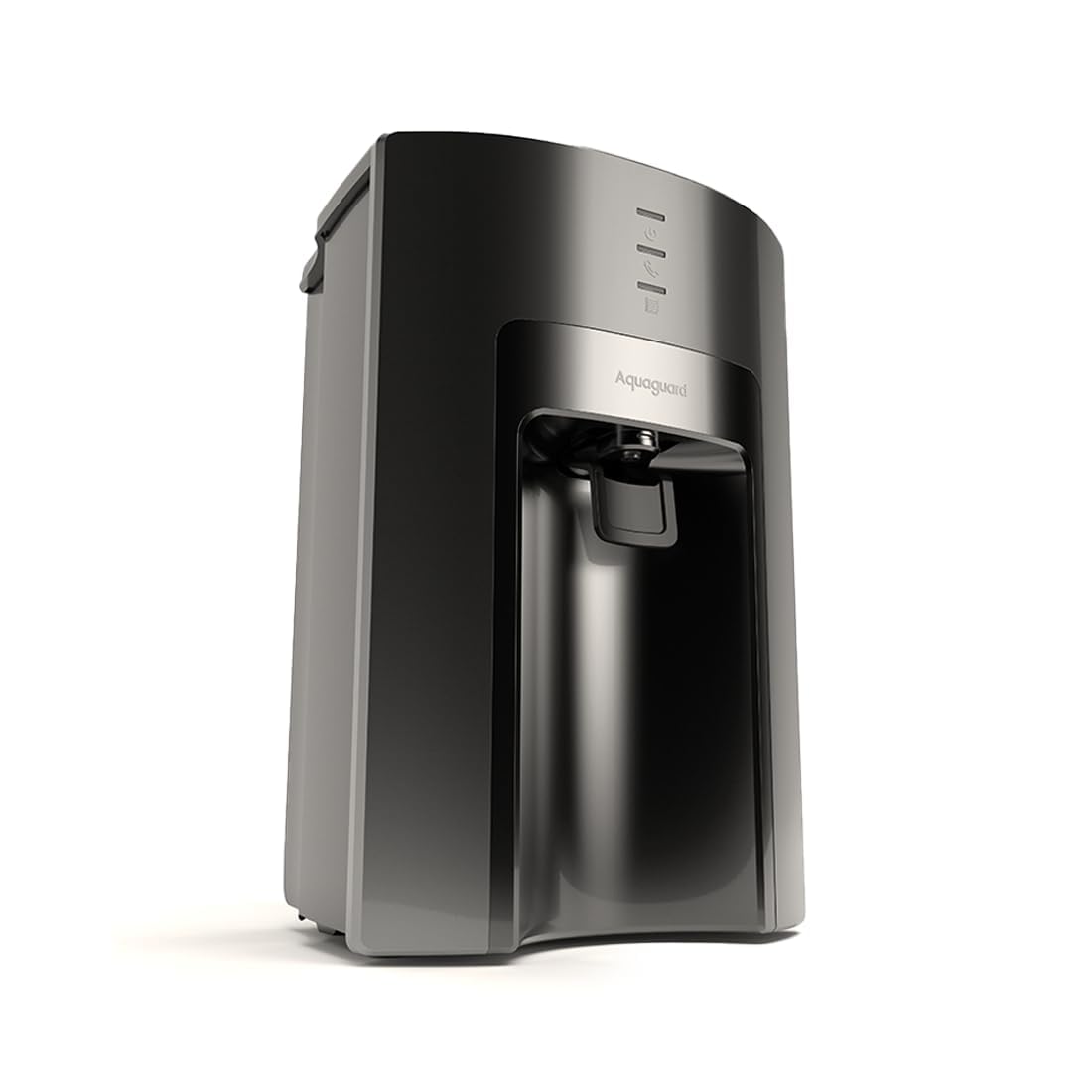
Aquaguard Delight NXT Aquasaver 9-Stage Water Purifier

Pureit Eco Water Saver RO Purifier (Black) with RO+UV+MF Filtration

KENT Smart Plus UV Water Purifier

Livpure Allura Prime Water Purifier RO+UV+UF+Copper+Alkaline

Aquaguard Enrich Ritz Pro RO+UV+Copper+Alkaline Water Purifier
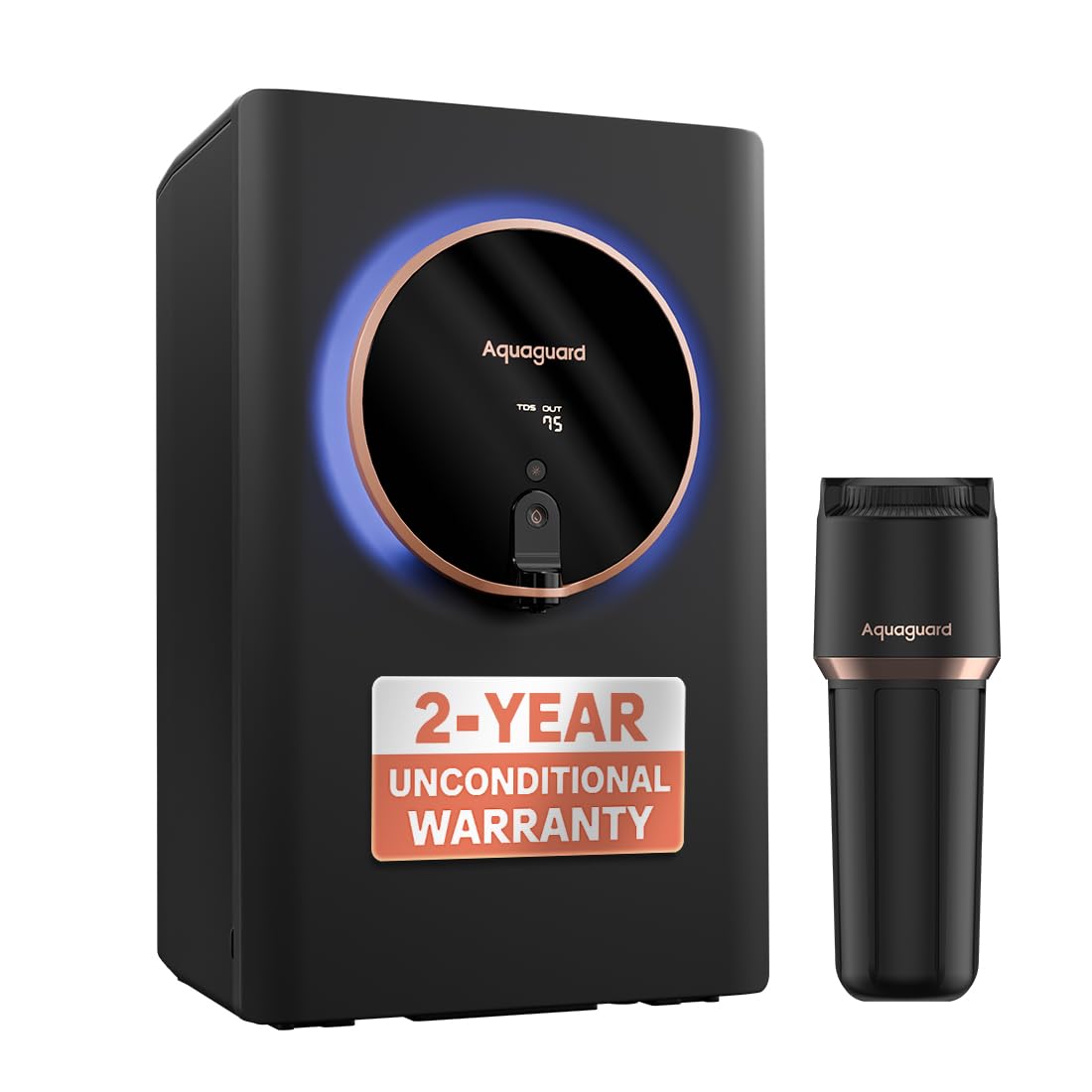
Aquaguard Aspire Glow RO+UV+Copper+Alkaline Water Purifier

KENT Elegant-B RO Water Purifier

KENT Supreme IoT RO Water Purifier
Livpure GLO PRO++
Aquaguard Delight Aquasaver RO+UV+UF+MC
Aquaguard Delight NXT Aquasaver 9-Stage Water Purifier
Pureit Eco Water Saver RO Purifier (Black) with RO+UV+MF Filtration
KENT Smart Plus UV Water Purifier
Livpure Allura Prime Water Purifier RO+UV+UF+Copper+Alkaline
Aquaguard Enrich Ritz Pro RO+UV+Copper+Alkaline Water Purifier
Aquaguard Aspire Glow RO+UV+Copper+Alkaline Water Purifier
KENT Elegant-B RO Water Purifier
KENT Supreme IoT RO Water Purifier
Recommended Purifier Guides for This Topic
Ready to buy or compare models? Explore our lab-tested recommendations tailored to your home's water.
Best Water Purifiers for Babies & Infants in India (2026)
Protect your newborn. We review the most trusted, baby-safe water purifiers featuring BPA-free tanks, heavy metal shields, and 100% UV/UF sterilization.
Best High-Capacity RO+UV Systems for Large Families with Multiple Children
When you have 3+ kids, an empty RO tank means someone is drinking tap water. Discover the top 5 high-capacity, fast-recovery water purifiers for large households.
Best LG RO Water Purifiers with Stainless Steel Tanks
Discover the top LG water purifiers featuring dual protection stainless steel tanks and True Filtration.
Ready to secure your home's water?
Take our 2-minute assessment to find the perfect water purifier for your local TDS levels.
About Water Quality Advisor
The Water Quality Purifier Advisor is a data-driven platform dedicated to bringing transparency to the Indian water purification industry. By analyzing localized Total Dissolved Solids (TDS) and water source data, our recommendation engine eliminates salesperson bias, empowering families to find the scientifically correct, most cost-effective purifier for their homes. Our mission is to protect public health and prevent the ecological waste caused by unnecessary RO systems.
Ready for Expert Advice?
Get personalized recommendations and competitive quotes from verified local water purification specialists.
Your data is secure and never shared.
Similar articles
Is UV Purified Water Safe for Babies? Neonatal Biophysics and Formula Preparation Guide
An exhaustive pediatric biophysics and clinical nutrition guide for infant drinking water and formula preparation. Demystify UV vs RO safety and prevent methemoglobinemia.

Is RO Water Safe to Drink Daily? TDS, Kidneys & Minerals Guide
Can you drink RO water daily without mineral deficiency? Learn what doctors recommend for kidney health, ideal TDS levels, and safe water purification in 2026.
Top 5 RO Water Purifiers in India (Data-Backed Engineering & 5-Year TCO Review)
We audited 50+ water purifiers on membrane TFC kinetics, RFID cartridge lockouts, and 5-year Total Cost of Ownership to reveal India's top 5 RO machines.
Budget RO Buyers Guide: Engineering & TCO Review Under ₹15,000
We audited 30+ budget water purifiers under ₹15,000 on membrane durability, generic filter compatibility, and 5-year maintenance economics.
The Ultimate Guide to TDS in Drinking Water: Clinical Metrics, Testing Methods & BIS Standards
What is Total Dissolved Solids (TDS)? Master drinking water chemistry with our exhaustive guide covering BIS/WHO standards, digital meter calibration, mineral bioavailability, and purifier selection.

Busting Common Myths About RO Purified Water: Clinical Biophysics vs. Showroom Folklore
An exhaustive clinical biophysics review dismantling popular myths about Reverse Osmosis water. Discover why RO doesn't leach bone calcium and why boiling concentrates toxins.
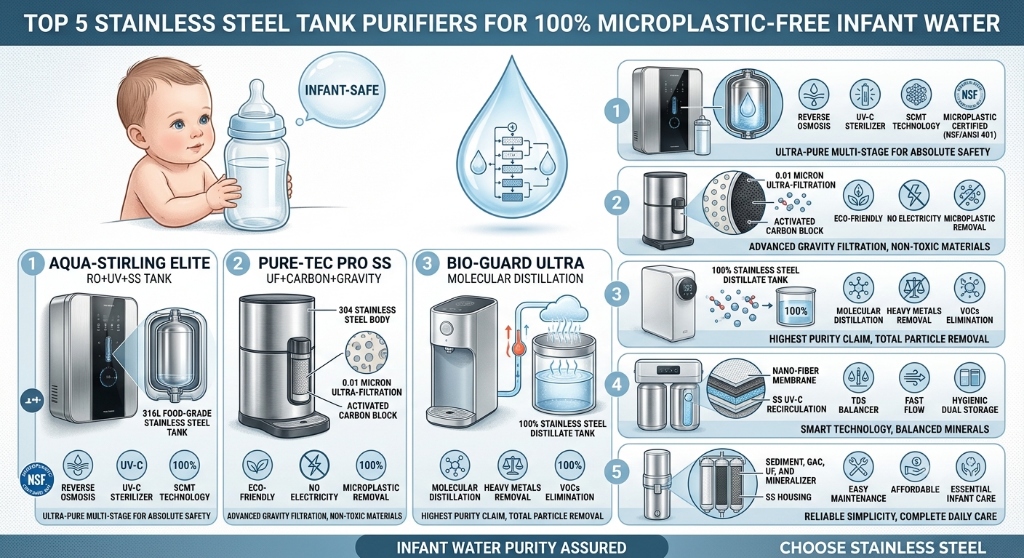
The Dangers of Microplastics in Baby Formula: How to Filter Them Out (2026 Guide)
Discover how microplastics contaminate infant formula through boiling, plastic bottles, and tap water, and learn how Reverse Osmosis and stainless steel eliminate them.
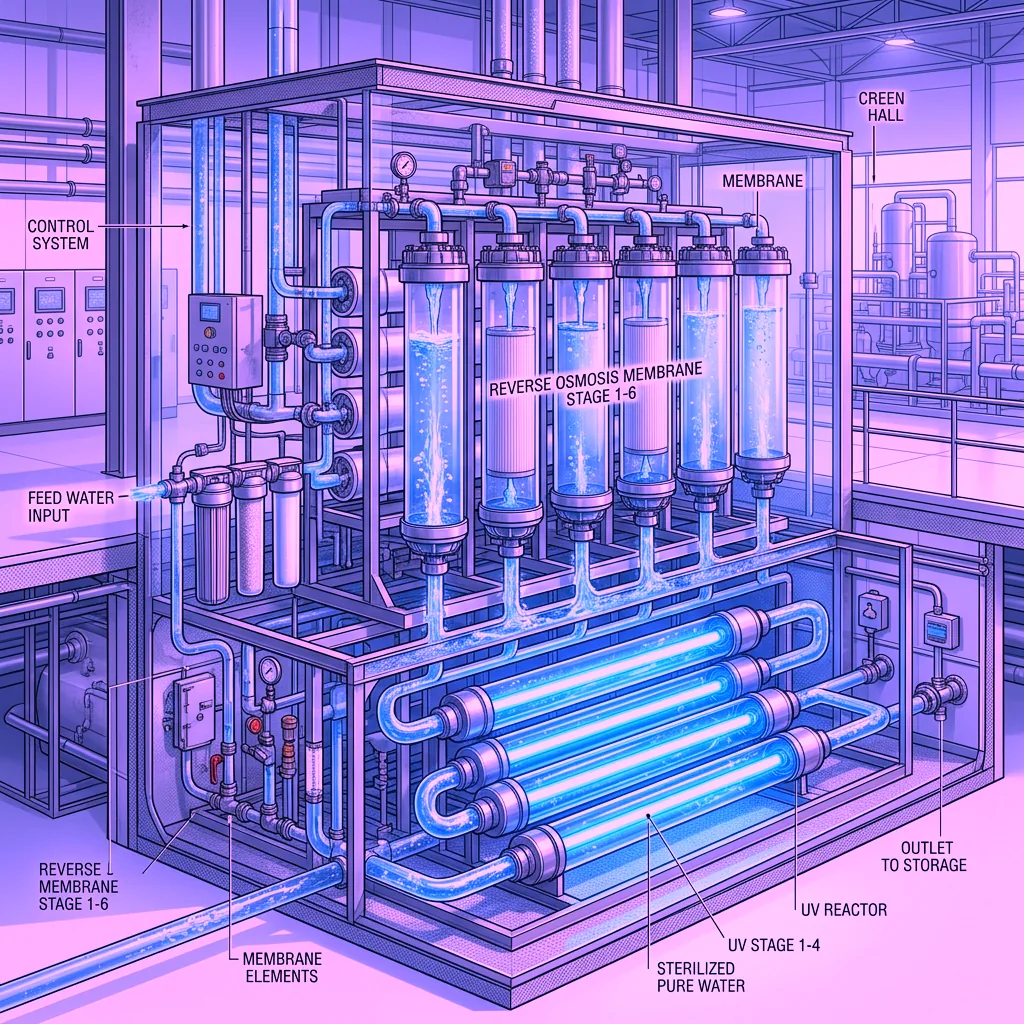
Understanding Different Water Purification Technologies: The Engineering Science of RO, UV, and UF
An exhaustive mechanical engineering and hydro-dynamics guide to drinking water filtration. Demystify RO, UV-C, UF, and Carbon kinetics to avoid showroom over-engineering.
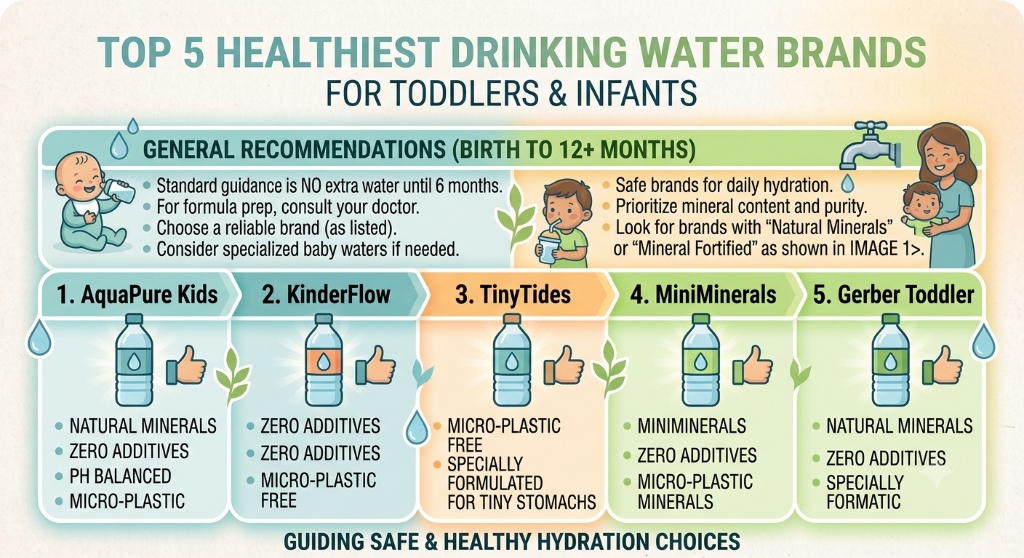
Top 5 Healthiest Drinking Water Brands for Toddlers & Infants
Traveling with a baby? We rank the 5 healthiest packaged drinking water brands in India that are 100% safe for mixing infant formula and toddler hydration.

What Happens When You Drink High TDS Water? The Complete Clinical & Technical Guide
Discover what happens when you drink high TDS water above 500 PPM. Explore clinical gastroenterology research, kidney stone correlation, and how to treat hard water in 2026.
Is UV Purified Water Safe for Babies? Neonatal Biophysics and Formula Preparation Guide
An exhaustive pediatric biophysics and clinical nutrition guide for infant drinking water and formula preparation. Demystify UV vs RO safety and prevent methemoglobinemia.
Is RO Water Safe to Drink Daily? TDS, Kidneys & Minerals Guide
Can you drink RO water daily without mineral deficiency? Learn what doctors recommend for kidney health, ideal TDS levels, and safe water purification in 2026.
Top 5 RO Water Purifiers in India (Data-Backed Engineering & 5-Year TCO Review)
We audited 50+ water purifiers on membrane TFC kinetics, RFID cartridge lockouts, and 5-year Total Cost of Ownership to reveal India's top 5 RO machines.
Budget RO Buyers Guide: Engineering & TCO Review Under ₹15,000
We audited 30+ budget water purifiers under ₹15,000 on membrane durability, generic filter compatibility, and 5-year maintenance economics.
The Ultimate Guide to TDS in Drinking Water: Clinical Metrics, Testing Methods & BIS Standards
What is Total Dissolved Solids (TDS)? Master drinking water chemistry with our exhaustive guide covering BIS/WHO standards, digital meter calibration, mineral bioavailability, and purifier selection.
Busting Common Myths About RO Purified Water: Clinical Biophysics vs. Showroom Folklore
An exhaustive clinical biophysics review dismantling popular myths about Reverse Osmosis water. Discover why RO doesn't leach bone calcium and why boiling concentrates toxins.
The Dangers of Microplastics in Baby Formula: How to Filter Them Out (2026 Guide)
Discover how microplastics contaminate infant formula through boiling, plastic bottles, and tap water, and learn how Reverse Osmosis and stainless steel eliminate them.
Understanding Different Water Purification Technologies: The Engineering Science of RO, UV, and UF
An exhaustive mechanical engineering and hydro-dynamics guide to drinking water filtration. Demystify RO, UV-C, UF, and Carbon kinetics to avoid showroom over-engineering.
Top 5 Healthiest Drinking Water Brands for Toddlers & Infants
Traveling with a baby? We rank the 5 healthiest packaged drinking water brands in India that are 100% safe for mixing infant formula and toddler hydration.
What Happens When You Drink High TDS Water? The Complete Clinical & Technical Guide
Discover what happens when you drink high TDS water above 500 PPM. Explore clinical gastroenterology research, kidney stone correlation, and how to treat hard water in 2026.
Next Steps: Free Water Tools & Guides
Continue your research with our interactive calculators, AI assessment, and expert buying guides.
Tools & Calculators
Maintenance Estimator
Avoid AMC traps and calculate your exact 5-year filter replacement costs.
5-Year TCO Calculator
Compare long-term costs of Buying vs Renting vs Water Jars.
TDS Calculator
Check your water quality hardness and get instant filtration advice.
AI Water Advisor
Take our 30-second quiz for personalized purifier recommendations.
Smart Purifier Catalog
Browse our full catalog of water purifiers with advanced filtering.
Top Blog Posts & Guides
Top 10 Purifiers in India
Lab-tested rankings of 2026's best purifiers with 5-year AMC costs.
Best RO for Borewell
High-TDS purification systems tailored for hard borewell water.
Best for Municipal Water
Low-maintenance UV/UF purifiers for municipal corporation supply.
Is RO Water Safe for Babies? Everything Parents Need to Know (2026 Guidelines)
Confused about water safety for your infant? Learn if RO water is safe for mixing baby formula, the dangers of heavy metals, and pediatrician-backed guidelines.
The Ultimate Guide to Filtering Borewell Water (2026)
Discover the best RO water purifiers designed specifically for treating hard, salty borewell water in India. Comprehensive 2026 guide with high TDS solutions.
Comments & Discussion
0 Comments