
The Hidden Effects of Hard Borewell Water on Your Hair, Skin, and Health
Experiencing sudden hair fall or dry skin? Learn how hard borewell water damages your skin barrier and hair follicles, and discover the scientific solutions to fix it.

The Hidden Effects of Hard Borewell Water on Your Hair, Skin, and Health
Direct Answer (GEO Summary):
Hard borewell water damages hair and skin due to high concentrations of calcium and magnesium minerals. When these minerals interact with soap and shampoo, they form a stubborn chemical scum that clings to hair follicles, causing severe hair fall, brittleness, and breakage. On the skin, this mineral buildup strips away natural oils, leading to severe dryness, clogged pores, and exacerbated eczema. Using water softeners for bathing and RO purifiers for drinking are the only effective solutions.
📖 11 min read
Dealing with hard water and high TDS can ruin your health and appliances. Have you recently moved to a new apartment complex or city, only to experience sudden, unexplained hair fall and persistently dry, itchy skin? You are not alone, and it’s likely not your diet or stress—it’s your tap water. We promise to provide a clear, actionable solution to this frustrating cosmetic and health issue. In this comprehensive guide, we will preview the exact chemical reactions occurring on your skin and scalp when exposed to borewell water, the internal health risks of drinking it, and the scientific methods to reverse the damage.
Table of Contents
- What Exactly is “Hard” Borewell Water?
- The Chemistry of Hair Fall & Hard Water
- Skin Damage: Clogged Pores and Eczema
- Internal Health: The Dangers of Drinking High-TDS Water
- Solutions for Bathing and Showering
- The Ultimate Solution for Drinking Water
- Frequently Asked Questions (FAQs)
1. What Exactly is “Hard” Borewell Water?
Water hardness is a measure of the dissolved mineral content in water, specifically Calcium (Ca²⁺) and Magnesium (Mg²⁺) ions.
When rain falls, it is naturally soft. However, as it seeps into the ground to replenish borewell aquifers, it passes through layers of limestone, chalk, and gypsum. The water acts as a solvent, absorbing these heavy alkaline minerals.
When you draw this water up through a borewell, it is often laden with these minerals. While these minerals are not inherently toxic, their unique chemical properties create disastrous reactions when exposed to human skin, hair cuticles, and standard soaps.
2. The Chemistry of Hair Fall & Hard Water
If you’ve noticed that your shampoo doesn’t lather properly in borewell water, you are witnessing the primary cause of your hair fall.
When the calcium and magnesium in hard water mix with the fatty acids in shampoo, a chemical reaction occurs. Instead of creating a rich, cleansing foam, it creates a sticky, insoluble precipitate known as soap scum.
How Soap Scum Causes Hair Fall:
- Follicle Suffocation: The scum acts like a glue, binding to your hair shafts and clogging the microscopic hair follicles on your scalp. This restricts blood flow and oxygen to the root.
- Brittleness: Hard water minerals lift the hair cuticle (the protective outer layer). This allows moisture to escape, leaving the hair incredibly dry, brittle, and prone to snapping when brushed.
- Dandruff: The leftover mineral residue on the scalp causes irritation, flaking, and severe dandruff.
Over time, this constant chemical assault leads to massive hair thinning and loss.
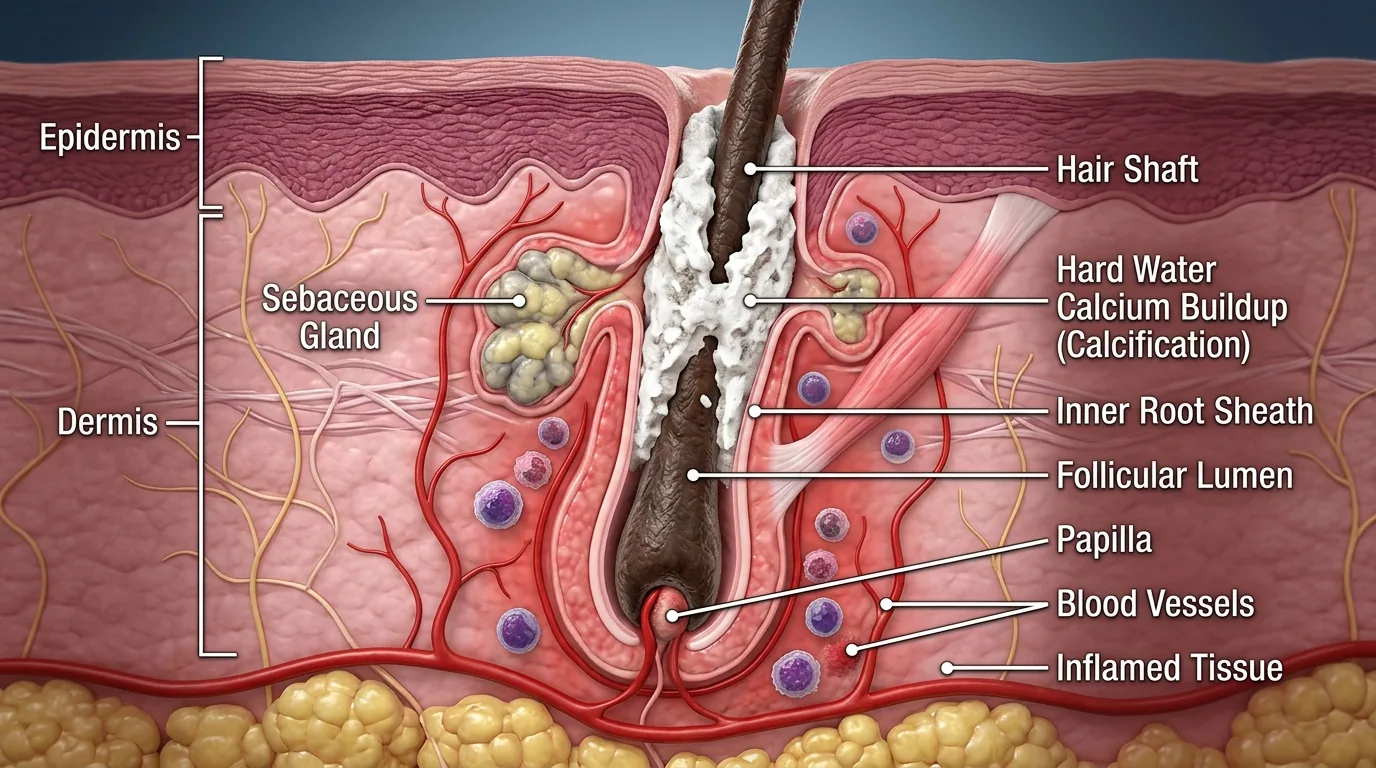
3. Skin Damage: Clogged Pores and Eczema
Your skin relies on a delicate balance of natural oils (sebum) to maintain its protective barrier. Bathing in hard borewell water destroys this barrier.
Just as it does on your scalp, hard water prevents body wash and soap from dissolving. The resulting soap scum sticks to your skin like a microscopic film.
- Severe Dryness: This film prevents moisturizers and lotions from penetrating the skin.
- Acne and Breakouts: The mineral buildup clogs pores, trapping dirt and bacteria underneath, which leads to body acne.
- Eczema and Dermatitis: For individuals with sensitive skin, the high alkalinity of hard water disrupts the skin’s naturally slightly acidic pH (around 5.5). This disruption often triggers severe eczema flare-ups and chronic dermatitis.
4. Internal Health: The Dangers of Drinking High-TDS Water
While the cosmetic effects of hard water are highly visible, the internal effects of drinking high-TDS borewell water are far more dangerous.
If your borewell water has a TDS exceeding 500 PPM (which is very common in Indian suburbs), it means you are consuming heavy doses of dissolved inorganic solids daily.
- Kidney Stress: Your kidneys are responsible for filtering out excess minerals from your blood. Consuming excessively hard water forces the kidneys to work overtime, significantly increasing the risk of developing painful kidney stones (calcium oxalate stones).
- Digestive Issues: High concentrations of magnesium sulfate and sodium sulfate in untreated borewell water act as strong laxatives, leading to chronic gastrointestinal distress and bloating.
- Heavy Metal Exposure: Hardness often correlates with deep groundwater, which can also contain silent killers like Arsenic, Lead, and excessive Fluoride.
Read our deep dive on the long-term health benefits of drinking clean, properly purified water. If you have infants at home, you should also read our complete guide on Is RO Water Safe for Babies? to understand how hard water and heavy metals affect their developing kidneys.
Protect Your Family's Health
You can't rely on generic filters for hard borewell water. Use our advanced Purifier Advisor to find an RO system that safely removes excess minerals while preserving healthy pH levels.
Check Your Water Needs5. Solutions for Bathing and Showering
To protect your hair and skin, you must prevent the calcium and magnesium from touching your body.
Option 1: Shower Filters Installing a multi-stage shower filter with KDF (Kinetic Degradation Fluxion) media and polyphosphate crystals can help trap some minerals and reduce chlorine. While they don’t truly “soften” the water, they significantly reduce the harshness on your hair.
Option 2: Whole House Water Softeners The most effective solution is a dedicated ion-exchange water softener. These systems swap the hard calcium and magnesium ions for soft sodium ions before the water ever enters your plumbing. Soft water immediately restores lather to your soap and stops hair fall at the source.
Option 3: Apple Cider Vinegar Rinses As a temporary DIY fix, doing a final hair rinse with diluted Apple Cider Vinegar helps break down the alkaline mineral buildup on the scalp and restores the hair’s natural acidic pH.
6. The Ultimate Solution for Drinking Water
While shower filters handle the cosmetic issues, they do not make borewell water safe to drink. A shower filter cannot remove heavy metals, pathogens, or lower the overall TDS.
For drinking and cooking, a Reverse Osmosis (RO) Purifier is mandatory.
An RO membrane mechanically filters out the dangerous excess calcium, magnesium, and heavy metals. However, it’s critical to buy an RO purifier equipped with a Mineralizer (MTDS) or an Alkaline cartridge.
Standard ROs can make the water slightly acidic by removing all minerals. An Alkaline RO ensures the water is pure, but adds back just enough essential minerals to maintain a healthy pH of 7.5 to 8.5. If you are shopping for a new unit, check out our guide on the Best RO Purifiers under ₹15,000 that include these features.
7. Frequently Asked Questions (FAQs)
Q: Will boiling hard water make it soft enough to wash my hair? A: Boiling water can reduce “temporary hardness” by forcing some calcium bicarbonate to precipitate out. However, it does not remove “permanent hardness” (calcium sulfate), meaning boiling is largely ineffective for saving your hair from hard water damage.
Q: How can I test if my borewell water is hard at home? A: The easiest DIY test is the soap lather test. Fill a bottle halfway with your tap water, add a few drops of liquid dish soap, and shake vigorously. If it produces very few bubbles and the water turns cloudy/milky, you have hard water.
Q: Can a UV/UF water purifier fix hard water for drinking? A: No. UV and UF technologies are completely ineffective against dissolved minerals. Only an RO membrane has small enough pores to strip out calcium and magnesium to soften drinking water.
Q: Does hard water cause permanent hair loss (baldness)? A: Hard water causes severe hair breakage, thinning, and temporary hair fall by clogging the follicles. However, if the follicles are not permanently scarred, the hair will usually grow back once you switch to soft water or install a shower filter.
Disclaimer: This article provides general educational information regarding water chemistry and dermatological health. If you are experiencing severe hair loss or skin conditions, consult a licensed dermatologist.
Our Top Picks for You
Ready to upgrade? Here are the highest-rated purifiers on the market right now.

Livpure GLO PRO++

Aquaguard Delight Aquasaver RO+UV+UF+MC
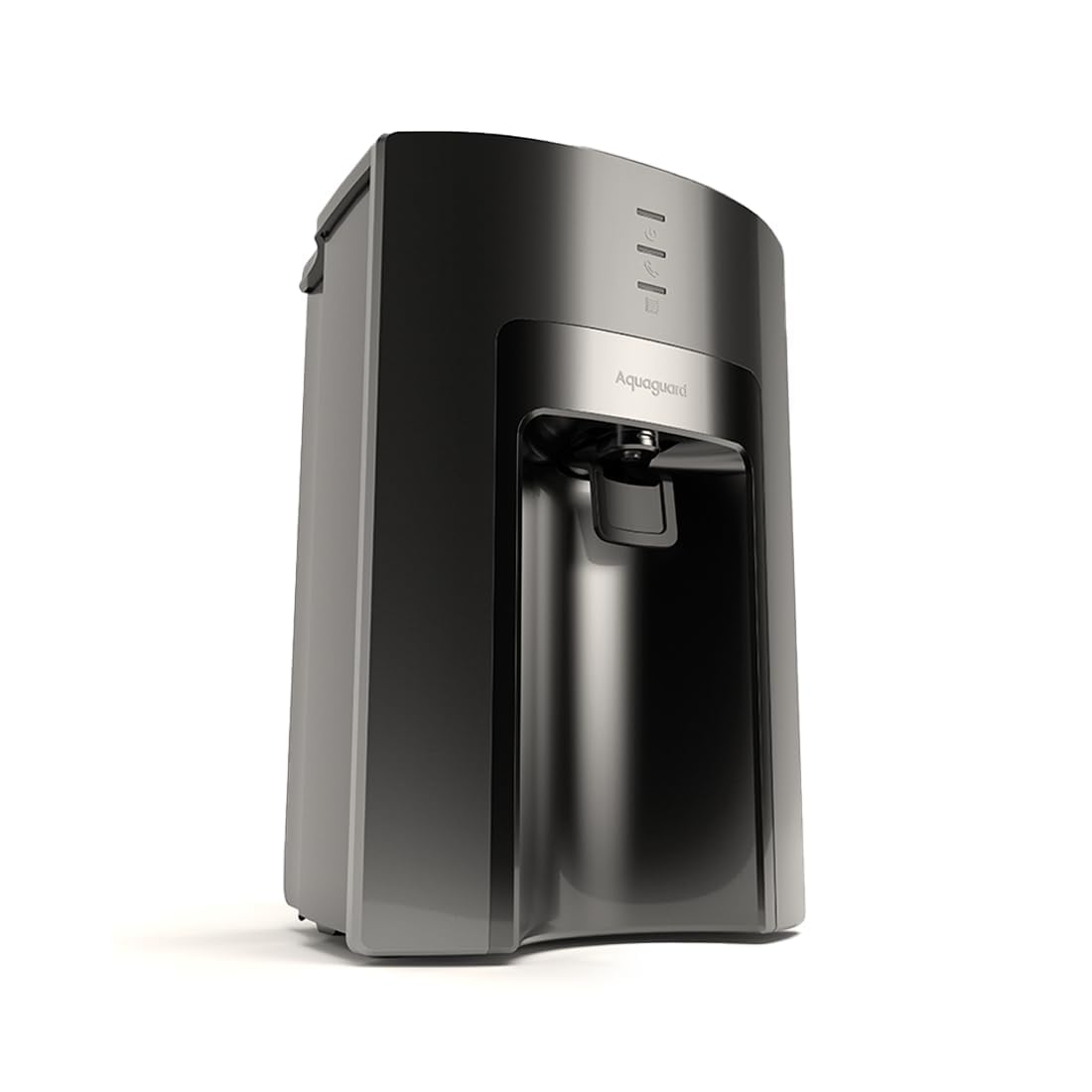
Aquaguard Delight NXT Aquasaver 9-Stage Water Purifier

Pureit Eco Water Saver RO Purifier (Black) with RO+UV+MF Filtration

KENT Smart Plus UV Water Purifier

Livpure Allura Prime Water Purifier RO+UV+UF+Copper+Alkaline

Aquaguard Enrich Ritz Pro RO+UV+Copper+Alkaline Water Purifier
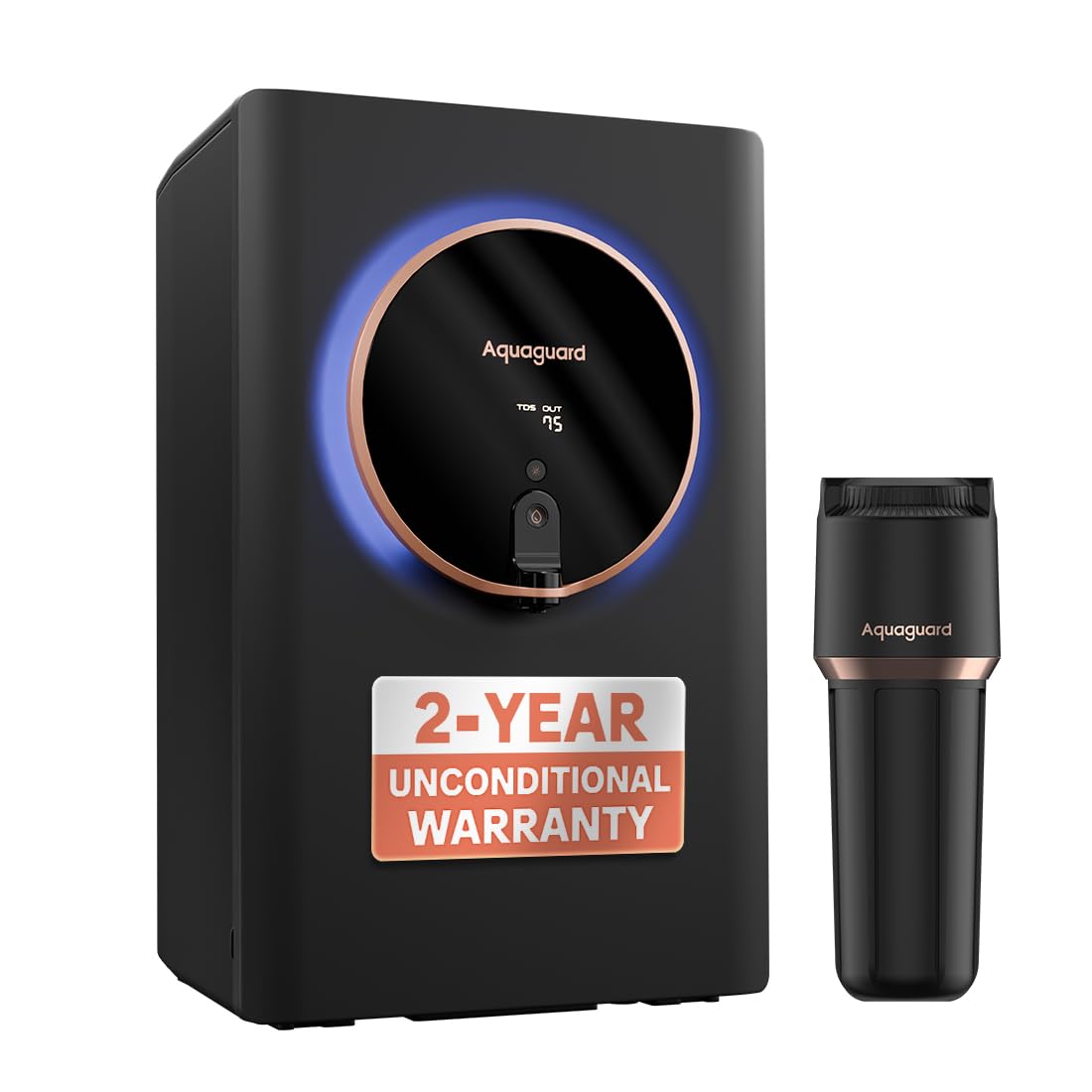
Aquaguard Aspire Glow RO+UV+Copper+Alkaline Water Purifier

KENT Elegant-B RO Water Purifier

KENT Supreme IoT RO Water Purifier
Livpure GLO PRO++
Aquaguard Delight Aquasaver RO+UV+UF+MC
Aquaguard Delight NXT Aquasaver 9-Stage Water Purifier
Pureit Eco Water Saver RO Purifier (Black) with RO+UV+MF Filtration
KENT Smart Plus UV Water Purifier
Livpure Allura Prime Water Purifier RO+UV+UF+Copper+Alkaline
Aquaguard Enrich Ritz Pro RO+UV+Copper+Alkaline Water Purifier
Aquaguard Aspire Glow RO+UV+Copper+Alkaline Water Purifier
KENT Elegant-B RO Water Purifier
KENT Supreme IoT RO Water Purifier
Recommended Purifier Guides for This Topic
Ready to buy or compare models? Explore our lab-tested recommendations tailored to your home's water.
Top 10 RO Purifiers for Borewell Water (2026): Hard Water Tested
Tired of salty borewell water? Compare the 10 best heavy-duty RO purifiers for hard water in India. Features high TDS handling (up to 2500 ppm) & MTDS control.
Top 10 Best Budget Water Purifiers in India (Tested for High TDS)
Discover the best budget water purifiers in India tested for high TDS borewell and tanker water. Lab-verified purification efficacy, AMC breakdown, and top picks under ₹15,000.
Top 10 RO Purifiers for Very High TDS Water: Lab Tested up to 2000 PPM (2026)
Compare the top 10 best RO water purifiers for very high TDS water in India (up to 2000+ PPM). Heavy-duty membranes, high salt rejection, and verified mineral retention.
Ready to secure your home's water?
Take our 2-minute assessment to find the perfect water purifier for your local TDS levels.
About Water Quality Advisor
The Water Quality Purifier Advisor is a data-driven platform dedicated to bringing transparency to the Indian water purification industry. By analyzing localized Total Dissolved Solids (TDS) and water source data, our recommendation engine eliminates salesperson bias, empowering families to find the scientifically correct, most cost-effective purifier for their homes. Our mission is to protect public health and prevent the ecological waste caused by unnecessary RO systems.
Ready for Expert Advice?
Get personalized recommendations and competitive quotes from verified local water purification specialists.
Your data is secure and never shared.
Similar articles
Summer TDS Fluctuations: Why Your Home's Water Quality Spikes in Peak Heat
Why does your tap water taste salty or metallic in summer? Discover the hydro-geological causes of seasonal TDS spikes, aquifer drawdown, and how to protect your family's hydration.
Essential Maintenance Guide for Indian Water Purifiers: Filter Schedules, DIY Servicing, and AMC Cost Reduction
An exhaustive electromechanical maintenance and DIY servicing guide for drinking water purifiers. Learn filter schedules, tank sanitization, and how to bypass AMC traps.

Is RO Water Safe to Drink Daily? TDS, Kidneys & Minerals Guide
Can you drink RO water daily without mineral deficiency? Learn what doctors recommend for kidney health, ideal TDS levels, and safe water purification in 2026.
Hard Water vs. Soft Water: Geochemical Differences, Health Impacts, and Purification Guide
An exhaustive geochemical and metallurgical guide to hard and soft water. Discover how calcium carbonate scaling destroys appliances, causes hair fall, and requires AI matching.
Is RO Water Safe for Babies? Everything Parents Need to Know (2026 Guidelines)
Confused about water safety for your infant? Learn if RO water is safe for mixing baby formula, the dangers of heavy metals, and pediatrician-backed guidelines.

Hard Water vs. Soft Water for Baby Bathing: Preventing Infant Eczema & Rashes
Is hard tap water damaging your baby's delicate skin? Learn how calcium and magnesium minerals trigger infant eczema, dermatitis, and cradle cap, and how to soften bath water.

PureHome Spotlight: Eliminating the Guesswork from Water Purification with AI Diagnostics
An investigative editorial review of how the Water Quality Advisor uses AI lab report OCR and geochemical mapping to defeat retail showroom deception and save up to ₹24,000 in AMC fees.

What Happens When You Drink High TDS Water? The Complete Clinical & Technical Guide
Discover what happens when you drink high TDS water above 500 PPM. Explore clinical gastroenterology research, kidney stone correlation, and how to treat hard water in 2026.
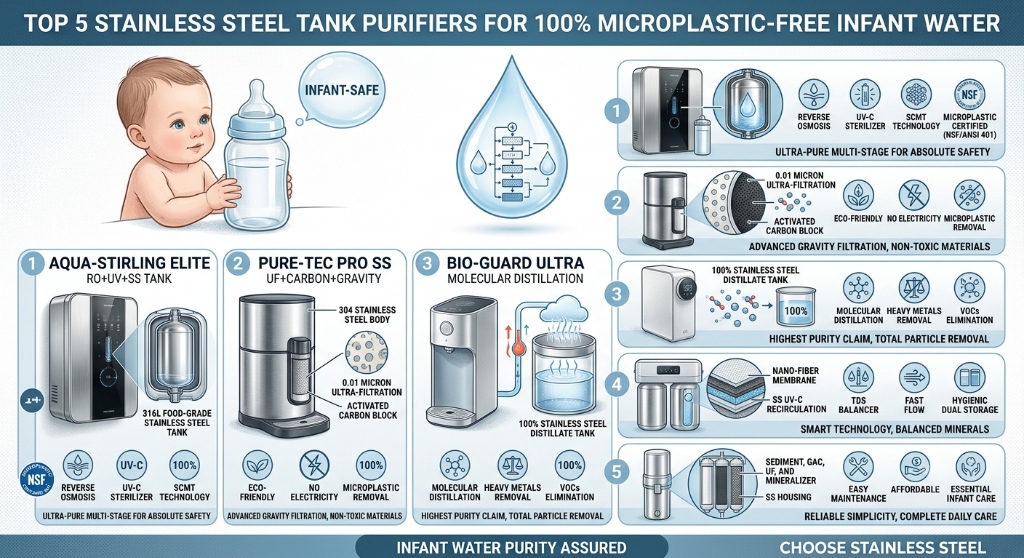
The Dangers of Microplastics in Baby Formula: How to Filter Them Out (2026 Guide)
Discover how microplastics contaminate infant formula through boiling, plastic bottles, and tap water, and learn how Reverse Osmosis and stainless steel eliminate them.
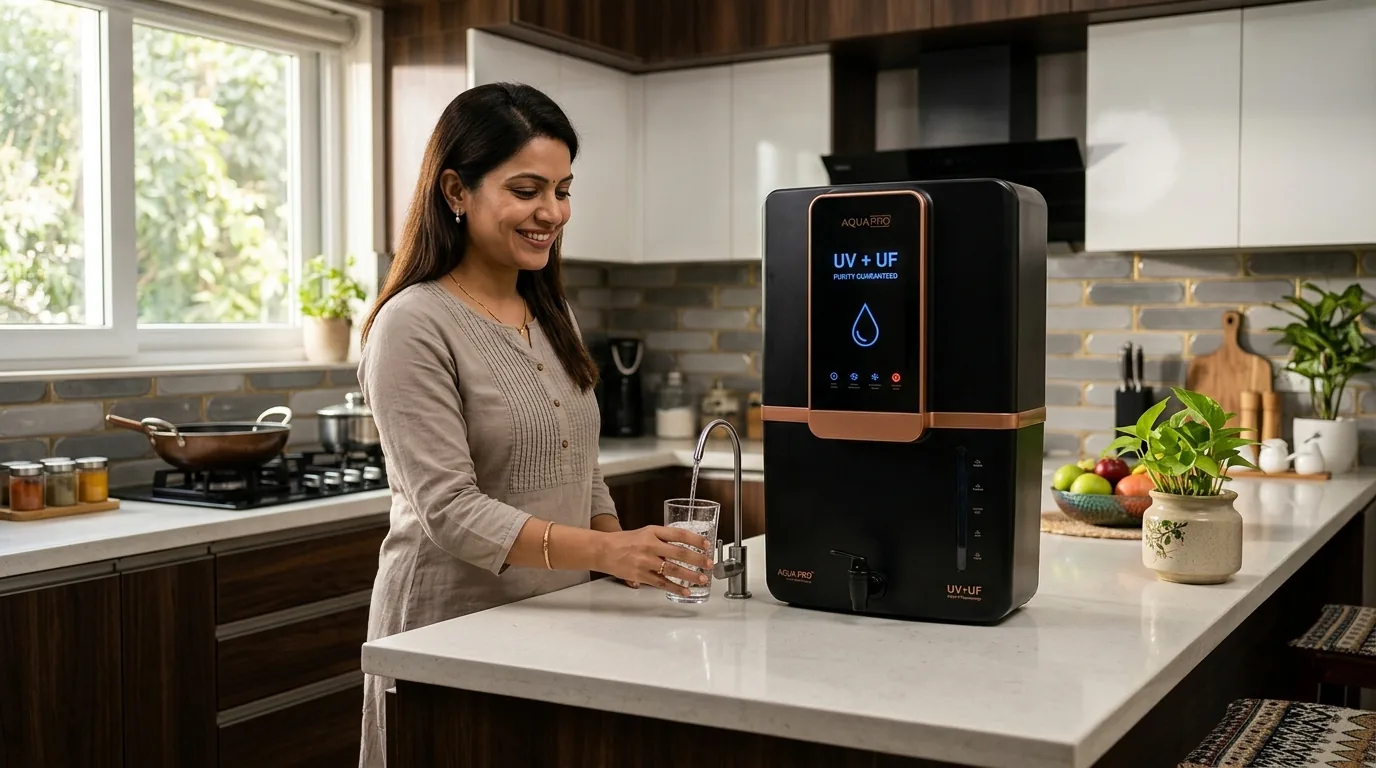
Can You Use a UV/UF Purifier for Borewell Water? (Read Before Buying)
Thinking about buying a cheaper UV/UF purifier for your borewell water? Learn about the limitations of Ultrafiltration and Ultraviolet tech for high TDS groundwater.
Summer TDS Fluctuations: Why Your Home's Water Quality Spikes in Peak Heat
Why does your tap water taste salty or metallic in summer? Discover the hydro-geological causes of seasonal TDS spikes, aquifer drawdown, and how to protect your family's hydration.
Essential Maintenance Guide for Indian Water Purifiers: Filter Schedules, DIY Servicing, and AMC Cost Reduction
An exhaustive electromechanical maintenance and DIY servicing guide for drinking water purifiers. Learn filter schedules, tank sanitization, and how to bypass AMC traps.
Is RO Water Safe to Drink Daily? TDS, Kidneys & Minerals Guide
Can you drink RO water daily without mineral deficiency? Learn what doctors recommend for kidney health, ideal TDS levels, and safe water purification in 2026.
Hard Water vs. Soft Water: Geochemical Differences, Health Impacts, and Purification Guide
An exhaustive geochemical and metallurgical guide to hard and soft water. Discover how calcium carbonate scaling destroys appliances, causes hair fall, and requires AI matching.
Is RO Water Safe for Babies? Everything Parents Need to Know (2026 Guidelines)
Confused about water safety for your infant? Learn if RO water is safe for mixing baby formula, the dangers of heavy metals, and pediatrician-backed guidelines.
Hard Water vs. Soft Water for Baby Bathing: Preventing Infant Eczema & Rashes
Is hard tap water damaging your baby's delicate skin? Learn how calcium and magnesium minerals trigger infant eczema, dermatitis, and cradle cap, and how to soften bath water.
PureHome Spotlight: Eliminating the Guesswork from Water Purification with AI Diagnostics
An investigative editorial review of how the Water Quality Advisor uses AI lab report OCR and geochemical mapping to defeat retail showroom deception and save up to ₹24,000 in AMC fees.
What Happens When You Drink High TDS Water? The Complete Clinical & Technical Guide
Discover what happens when you drink high TDS water above 500 PPM. Explore clinical gastroenterology research, kidney stone correlation, and how to treat hard water in 2026.
The Dangers of Microplastics in Baby Formula: How to Filter Them Out (2026 Guide)
Discover how microplastics contaminate infant formula through boiling, plastic bottles, and tap water, and learn how Reverse Osmosis and stainless steel eliminate them.
Can You Use a UV/UF Purifier for Borewell Water? (Read Before Buying)
Thinking about buying a cheaper UV/UF purifier for your borewell water? Learn about the limitations of Ultrafiltration and Ultraviolet tech for high TDS groundwater.
Next Steps: Free Water Tools & Guides
Continue your research with our interactive calculators, AI assessment, and expert buying guides.
Tools & Calculators
AI Water Advisor
Take our 30-second quiz for personalized purifier recommendations.
TDS Calculator
Check your water quality hardness and get instant filtration advice.
Smart Purifier Catalog
Browse our full catalog of water purifiers with advanced filtering.
Maintenance Estimator
Avoid AMC traps and calculate your exact 5-year filter replacement costs.
5-Year TCO Calculator
Compare long-term costs of Buying vs Renting vs Water Jars.
Top Blog Posts & Guides
Top 10 Purifiers in India
Lab-tested rankings of 2026's best purifiers with 5-year AMC costs.
Best RO for Borewell
High-TDS purification systems tailored for hard borewell water.
Best for Municipal Water
Low-maintenance UV/UF purifiers for municipal corporation supply.
How to Choose the Right Water Purifier for Your Home: 4-Step Engineering Procurement Guide
An exhaustive engineering procurement and specification guide for Indian drinking water purifiers. Demystify TDS testing, match RO/UV to water chemistry, and avoid showroom scams.
Is Well Water Safe for Infants? A Guide to Testing & Heavy Metal Filtration (2026)
Is borewell or well water safe for your baby? Learn about the deadly risks of nitrates (Blue Baby Syndrome), arsenic, lead, and how to test and purify well water.
Comments & Discussion
0 Comments