
Is Well Water Safe for Infants? A Guide to Testing & Heavy Metal Filtration (2026)
Is borewell or well water safe for your baby? Learn about the deadly risks of nitrates (Blue Baby Syndrome), arsenic, lead, and how to test and purify well water.
📖 16 min read · Fact-Checked by Praveen, Certified Water Quality Specialist & Hydrogeological Safety Consultant
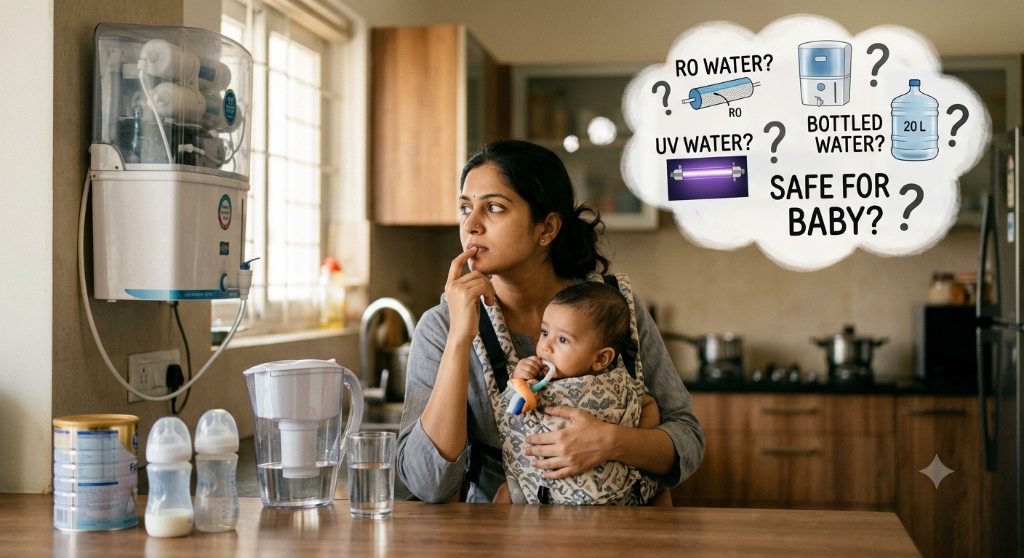
For millions of families residing in independent homes, agricultural estates, suburban villas, and peri-urban apartment communities dependent on private borewells, groundwater feels elemental, untainted, and inherently superior to chemically treated municipal city supplies. Because well water is drawn from deep underground rock fissures, is visually crystal-clear, and emits no chemical chlorine odor, new parents frequently operate under the dangerous assumption that it is naturally pristine and perfectly safe for mixing infant formula or preparing first weaning foods.
In clinical pediatric toxicology, the reality is starkly the opposite: untested private well and borewell water represents the single most hazardous environmental drinking water vector for infants under 12 months of age.
Unlike regulated municipal tap water—which is legally subject to continuous coagulation, disinfection, chlorination, and municipal compliance reporting—private wells are entirely unregulated by municipal health authorities. Groundwater is an active hydrological sponge that draws in agricultural fertilizer runoff, livestock effluent, failing septic tank leach fields, industrial discharges, and toxic geological minerals leached from surrounding bedrock. For a newborn infant whose gastrointestinal tract, renal clearance, and blood chemistry are profoundly immature, consuming untreated well water can trigger acute, life-threatening hypoxia—most notoriously Infantile Methemoglobinemia (“Blue Baby Syndrome”)—as well as irreversible neurotoxic injury from heavy metals like arsenic and lead.
In this exhaustive 2026 technical guide, we evaluate the clinical pathophysiology of infant well water poisoning, review landmark epidemiological case studies from the American Midwest and the Indo-Gangetic plains, analyze groundwater contaminant thresholds established by the US EPA, WHO, and BIS, and provide a comprehensive multi-barrier engineering protocol to transform hazardous groundwater into certified, pediatric-safe drinking water.
Table of Contents
- The Global Investigative Evidence: Real-World Groundwater Crises
- The Deadly Mechanism: Nitrates and Blue Baby Syndrome (Methemoglobinemia)
- Heavy Metal Hydrogeology: Arsenic, Lead, Fluoride, and Uranium
- The Lethal Boiling Fallacy: Why Boiling Well Water Accelerates Toxicity
- Contaminant Threshold Matrix: EPA, WHO, & BIS Standards vs. Infant Risk
- The Professional Well Water Diagnostic Protocol: What to Test & How
- Engineering the Multi-Barrier Treatment Train for High-TDS Borewell Water
- The Infant Formula Preparation Protocol for Well-Dependent Homes
- Regulatory Directives: US EPA Private Wells & Indian Standards (IS 10500)
- Comprehensive Frequently Asked Questions (Parental & Technical FAQs)
- Clinical Toxicology & Hydrogeological Glossary
The Global Investigative Evidence: Real-World Groundwater Crises
The clinical perils of infant well water consumption are not hypothetical edge cases; they are documented in epidemiological registries and environmental health investigations worldwide.
1. Methemoglobinemia Outbreaks in the American Agricultural Midwest
Across the intensive agricultural corn and soybean belts of Iowa, Nebraska, Minnesota, and Wisconsin, the heavy application of synthetic nitrogen fertilizers (anhydrous ammonia, ammonium nitrate) has severely contaminated shallow alluvial aquifers.
In clinical investigations documented by the Centers for Disease Control and Prevention (CDC) MMWR and state public health registries:
- Multiple infants under 4 months old were admitted to pediatric intensive care units presenting with cyanosis (a striking slate-blue or lavender discoloration of the lips, nail beds, and skin), rapid shallow breathing, projectile vomiting, and extreme lethargy.
- In each incident, parents were reconstituting powdered infant formula using private unmonitored farm well water. Laboratory testing revealed nitrate concentrations ranging from $45\text{ mg/L}$ to over $175\text{ mg/L}$ (drastically exceeding the US EPA Maximum Contaminant Level of $10\text{ mg/L}$ nitrate-nitrogen).
- Forensic medical investigations revealed that parents had been vigorously boiling the well water on the kitchen stove for 10 to 15 minutes before mixing the formula, mistakenly believing that boiling would “purify” the water. The boiling evaporated substantial water volume, concentrating the toxic nitrates by an additional 25% to 40% and accelerating acute methemoglobinemia.
- Immediate intravenous administration of methylene blue (1 to 2 mg/kg) was required to reduce methemoglobin back to functional hemoglobin and save the infants’ lives.
2. The Malwa Agricultural Cancer & Toxicity Belt (Punjab, India)
In India’s intensive agricultural breadbasket, the Malwa region of southwestern Punjab (encompassing districts such as Bathinda, Mansa, and Muktsar), decades of unrestricted synthetic fertilizer, organophosphate pesticide, and deep tubewell exploitation have created a catastrophic groundwater emergency.
In an exhaustive hydrological and epidemiological audit conducted by the Central University of Punjab and the Indian Council of Medical Research (ICMR):
- Over 65% of domestic groundwater tubewells exhibited nitrate levels exceeding the Bureau of Indian Standards (BIS IS 10500:2012) ceiling of $45\text{ mg/L}$, with peak agricultural zones measuring beyond $250\text{ mg/L}$.
- Concurrently, groundwater in deep borewells exhibited dangerous co-contamination with geological uranium (exceeding $60\text{ }\mu\text{g/L}$ vs the WHO limit of $30\text{ }\mu\text{g/L}$), arsenic, and heavy metals.
- Pediatric clinics across the region documented elevated rates of neonatal cyanosis, infant failure-to-thrive syndromes, chronic renal tubular dysfunction, and early-onset neurodevelopmental delays directly correlated with the consumption of untreated borewell formula feeds.
3. The Bengal Basin Chronic Arsenic Catastrophe (West Bengal & Bangladesh)
Described by the World Health Organization as “the largest mass poisoning of a population in history,” the Bengal Basin groundwater crisis emerged when millions of shallow tubewells were drilled into Holocene alluvial sediments containing natural geological arsenopyrite minerals:
- In West Bengal (districts including Nadia, Murshidabad, and North 24 Parganas) and neighboring Bangladesh, over 40 million individuals consume groundwater containing arsenic levels between $50\text{ }\mu\text{g/L}$ and $800\text{ }\mu\text{g/L}$ (vastly surpassing the WHO provisional guideline of $10\text{ }\mu\text{g/L}$).
- Longitudinal pediatric cohort studies published in The Lancet Planetary Health demonstrated that infants and young children exposed to arsenic-contaminated well water suffered profound cognitive deficits, losing 5 to 10 points in standardized IQ assessments, alongside severe immune suppression that doubled their vulnerability to fatal respiratory infections and diarrheal illnesses.
These real-world crises demonstrate a fundamental principle of infant water safety: visual clarity is zero guarantee of chemical or biological safety. A well water sample can be pristine, odor-free, and refreshing, while simultaneously carrying lethal concentrations of dissolved nitrates, arsenic, or microbial pathogens.
The Deadly Mechanism: Nitrates and Blue Baby Syndrome (Methemoglobinemia)
To protect an infant, parents must understand the unique biochemical vulnerability that makes newborn babies uniquely susceptible to nitrate poisoning.
+-----------------------------------------------------------------------------------------+
|                  PATHOPHYSIOLOGY OF INFANTILE METHEMOGLOBINEMIA                         |
+-----------------------------------------------------------------------------------------+
|                                                                                         |
|  Infant Ingests Nitrate-Rich Well Water (NO3-) via Baby Formula                         |
|                                       |                                                 |
|                                       v                                                 |
|  Elevated Gastric pH (pH > 4.5) allows Nitrate-Reducing Bacteria to Proliferate         |
|  (E. coli, Proteus, Salmonella reduce NO3- to TOXIC NITRITE: NO2-)                      |
|                                       |                                                 |
|                                       v                                                 |
|  Nitrite (NO2-) Absorbed into Neonatal Bloodstream: Encounters Fetal Hemoglobin (HbF)   |
|                                       |                                                 |
|                                       v                                                 |
|  OXIDATION REACTION:                                                                    |
|  Ferrous Iron [Fe2+] in Hemoglobin is oxidized to Ferric Iron [Fe3+]                   |
|  NORMAL HEMOGLOBIN  ======>  METHEMOGLOBIN (Incapable of binding or releasing O2!)     |
|                                       |                                                 |
|                                       v                                                 |
|  Immature NADH-Cytochrome b5 Methemoglobin Reductase Enzyme FAILS to Reverse Oxidation |
|                                       |                                                 |
|                                       v                                                 |
|  Methemoglobin Level Exceeds 10-20% ===> CLINICAL CYANOSIS (Blue/Slate Skin)            |
|  Methemoglobin Level Exceeds 50-70% ===> COMA, ASPHYXIATION, SYSTEMIC ANOXIA, DEATH     |
+-----------------------------------------------------------------------------------------+
The Three Biological Vulnerabilities of the Newborn Infant:
1. Fetal Hemoglobin ($HbF$) Hypersusceptibility
During pregnancy, the fetus produces Fetal Hemoglobin ($HbF$), which has a uniquely high binding affinity for oxygen to extract oxygen from maternal blood across the placenta. At birth, $HbF$ accounts for roughly 60% to 80% of an infant’s total circulating hemoglobin, only gradually declining to adult levels ($HbA$) by six months of age.
Crucially, fetal hemoglobin is oxidized by nitrite ions into methemoglobin at a rate nearly twice as fast as adult hemoglobin. The ferrous iron ($Fe^{2+}$) within the heme ring is rapidly converted into the ferric state ($Fe^{3+}$), locking the molecule in an abnormal conformation that cannot release oxygen to vital cellular tissues.
2. Immature Methemoglobin Reductase Enzyme System
Mature children and adults possess a robust erythrocyte enzyme called NADH-cytochrome b5 methemoglobin reductase (diaphorase I), which constantly converts the small amounts of methemoglobin generated during normal metabolism back into functional ferrous hemoglobin.
In newborn infants, this critical protective enzyme operates at less than 50% of adult capacity. Once hemoglobin is oxidized by well water nitrites, the infant’s red blood cells cannot reverse the conversion, leading to rapid, dangerous systemic accumulation of methemoglobin.
3. Low Gastric Acidity (Elevated Stomach pH)
An adult’s stomach is a highly acidic environment (pH 1.5 to 2.5), which destroys most ingested oral and environmental bacteria. In contrast, an infant’s stomach secretes very little hydrochloric acid, maintaining a relatively neutral or mildly acidic gastric environment (pH 4.5 to 5.5).
This elevated pH allows commensal and ingested bacteria—including Escherichia coli, Proteus mirabilis, and Klebsiella—to colonize the upper gastrointestinal tract. These bacteria synthesize high levels of nitrate reductase enzymes, converting harmless dietary nitrates ($NO_3^-$) directly into reactive, toxic nitrites ($NO_2^-$) right inside the stomach before systemic absorption.
Heavy Metal Hydrogeology: Arsenic, Lead, Fluoride, and Uranium
Beyond nitrates, unmonitored groundwater frequently contains hazardous concentrations of dissolved inorganic heavy metals and geological minerals.
       GEOLOGICAL STRATA & CONTAMINANT LEACHING DYNAMICS IN A TYPICAL WELL
       ===================================================================
Surface Soil Layer     <--- Agricultural Pesticides, Synthetic Fertilizers (Nitrates)
-------------------
Unconfined Aquifer     <--- Septic Leach Fields, Coliform Bacteria, Nitrates
Impermeable Clay Layer
-------------------
Confined Deep Aquifer  <--- Bedrock Dissolution: Arsenic, Fluoride, Uranium, Radium
(Deep Borewell 500ft)  <--- Corrosive Water Leaches Lead from Submersible Pump Brass
1. Arsenic ($As$)
- Source: Natural dissolution from volcanic rock, granitic formations, and Holocene alluvial river sediments.
- Pediatric Threat: Arsenic is a potent systemic mutagen and developmental neurotoxin. In utero and infant exposure damages developing myelin sheaths, impairs central nervous system synaptic plasticity, causes chronic dermatitis and hyperpigmentation, and dramatically elevates the lifetime risk of skin, lung, bladder, and kidney malignancies.
2. Lead ($Pb$)
- Source: While deep bedrock rarely contains high lead concentrations, private well systems are uniquely vulnerable to lead leaching:
- Submersible well pumps manufactured before federal lead-free standards often contain leaded brass or bronze impellers and discharge nozzles.
- Older galvanized well piping and wellhead seals utilize lead-based solders and packing lubricants.
- Naturally acidic or soft groundwater ($pH < 6.5$) is chemically corrosive, aggressively dissolving lead from household plumbing pipes and brass faucets.
- Pediatric Threat: The CDC unequivocally states that there is no safe blood lead level in children. Lead irreversibly destroys neural synapses in the prefrontal cortex, leading to permanent drops in IQ, attention deficit hyperactivity disorder (ADHD), speech apraxia, and hearing impairments.
3. Fluoride ($F^-$)
- Source: Hydrogeological dissolution of minerals such as fluorite ($CaF_2$), apatite, and biotite mica, extremely common across deep granitic aquifers in central India (Telangana, Rajasthan, Andhra Pradesh) and parts of the Western United States.
- Pediatric Threat: Infants exposed to fluoride levels exceeding $1.0\text{ mg/L}$ during the first year of life develop severe dental fluorosis (permanent enamel pitting and brown staining) and skeletal fluorosis (brittle bones, joint stiffness, and calcification of spinal ligaments). Read our dedicated investigation on fluoride in tap water and toddler teeth.
4. Uranium ($U$)
- Source: Natural radioactive mineral leaching from granitic bedrock and deep crystalline aquifers.
- Pediatric Threat: While radiological toxicity is a long-term cancer risk, uranium acts acutely as a severe chemical nephrotoxin. It selectively attacks the proximal convoluted tubules of neonatal kidneys, causing proteinuria, microalbuminuria, and impaired glomerular filtration.
The Lethal Boiling Fallacy: Why Boiling Well Water Accelerates Toxicity
The most dangerous parental assumption regarding well water is that boiling guarantees safety.
[!WARNING] BOILING WELL WATER DOES NOT REMOVE NITRATES, ARSENIC, LEAD, OR FLUORIDE. In fact, boiling actively increases their concentration! Boiling evaporates pure water vapor ($H_2O$), leaving all non-volatile chemical poisons behind in a reduced volume of liquid.
+-----------------------------------------------------------------------------------------+
|                  THE EVAPORATIVE CONCENTRATION TRAP OF BOILING WELL WATER               |
+-----------------------------------------------------------------------------------------+
|                                                                                         |
|  1 Liter Well Water (Initial Contamination: 45 mg/L Nitrate, 10 µg/L Lead)              |
|                                       |                                                 |
|                                       v                                                 |
|  Vigorous Rolling Boil for 15 Minutes on Stovetop (Parent attempting to sterilize)     |
|                                       |                                                 |
|                                       v                                                 |
|  300 mL of Pure H2O Vapor Evaporates into Kitchen Air                                   |
|  HEAVY METALS & NITRATES HAVE ZERO VOLATILITY: They remain trapped in the pot!         |
|                                       |                                                 |
|                                       v                                                 |
|  Final Volume: 700 mL Concentrated Well Water                                           |
|  * Nitrate Surges to: 64.3 mg/L (+43% INCREASE!)  ===> TRIGGERS BLUE BABY SYNDROME!     |
|  * Lead Surges to:    14.3 µg/L (+43% INCREASE!)  ===> TRIGGERS NEUROTOXIC INJURY!      |
+-----------------------------------------------------------------------------------------+
Boiling is solely an effective microbiological pasteurization technique for killing vegetative bacterial cells, viruses, and amoebic cysts. It has zero capability to destroy chemical elements or inorganic molecules. If your well water contains 50 mg/L of nitrates, boiling it for 15 minutes before mixing baby formula will drive the nitrate concentration well over 70 mg/L, directly triggering acute methemoglobinemia.
For an exhaustive scientific analysis of thermal pasteurization versus membrane separation, read: Boiled Water vs RO Water for Babies: The Pediatric Safety Showdown.
Contaminant Threshold Matrix: EPA, WHO, & BIS Standards vs. Infant Risk
| Contaminant | US EPA Standard (MCL) | WHO Drinking Guideline | Indian Standard (BIS IS 10500:2012) | Safe Infant Tolerance Threshold | Primary Clinical Hazard in Infants |
|---|---|---|---|---|---|
| Nitrate ($NO_3^-$) | 10 mg/L (as N) | 50 mg/L (as $NO_3^-$) | 45 mg/L (as $NO_3^-$) | $<10\text{ mg/L}$ ($NO_3^-$) | Acute Methemoglobinemia (“Blue Baby Syndrome”), fatal hypoxia |
| Nitrite ($NO_2^-$) | 1.0 mg/L (as N) | 3.0 mg/L (as $NO_2^-$) | 0.5 mg/L | $<0.2\text{ mg/L}$ | Direct systemic oxidation of fetal hemoglobin |
| Arsenic ($As$) | 0.010 mg/L (10 ppb) | 10 ppb (0.01 mg/L) | 10 ppb (0.01 mg/L) | $<1\text{ ppb (Zero Ideal)}$ | Permanent neurodevelopmental IQ deficits, immunotoxicity |
| Lead ($Pb$) | 0.015 mg/L (Action Level) | 10 ppb (0.01 mg/L) | 10 ppb (0.01 mg/L) | ZERO TOLERANCE | Prefrontal brain damage, ADHD, encephalopathy, hearing loss |
| Fluoride ($F^-$) | 4.0 mg/L (MCL) / 2.0 (SMCL) | 1.5 mg/L | 1.0 mg/L (Permissible: 1.5) | $<0.5\text{ mg/L}$ | Permanent dental enamel fluorosis, skeletal deformation |
| Total Coliforms | Zero (0 CFU/100 mL) | Zero (0 CFU/100 mL) | Zero (0 CFU/100 mL) | ZERO TOLERANCE | Severe infantile gastroenteritis, dehydration, sepsis |
| Total Dissolved Solids (TDS) | 500 mg/L (Secondary) | 600 mg/L (Aesthetic) | 500 mg/L (Max: 2000 mg/L) | $30 - 100\text{ PPM}$ | Renal solute overload, severe neonatal constipation |
To assess high-TDS well water treatment options, explore our in-depth evaluation: Top 10 RO Purifiers for Very High TDS Water (Lab Tested up to 2000 PPM).
The Professional Well Water Diagnostic Protocol: What to Test & How
If your household relies on a private well or apartment borewell, you must complete a formal certified laboratory water audit before offering formula or water to your infant.
THE COMPREHENSIVE INFANT WELL WATER TESTING CHECKLIST:
==========================================================================================
Stage 1: CERTIFIED LABORATORY SELECTION
         Never rely on cheap consumer colorimetric dip-strips for infant water safety.
         Contract an EPA-certified (in the US) or NABL-accredited (in India) environmental
         testing laboratory specializing in drinking water mass spectrometry.
                                |
Stage 2: CRITICAL ANALYTICAL TEST SUITE
         Order a full comprehensive panel covering:
         [ ] Nitrate-Nitrogen (NO3-N) & Nitrite-Nitrogen (NO2-N)
         [ ] Heavy Metals: Lead, Arsenic, Cadmium, Mercury, Uranium, Iron, Manganese
         [ ] Dissolved Minerals: Total Hardness (Ca + Mg), Fluoride, Sodium, Sulfate
         [ ] Microbiological: Total Coliform, Fecal Coliform, E. coli (Quantified CFU)
         [ ] Physical: Total Dissolved Solids (TDS), Electrical Conductivity, pH
                                |
Stage 3: RIGOROUS SAMPLING PROTOCOL
         - First Draw (Morning): Sample collected immediately after 6 hours of stagnation
           to measure maximum lead/copper leaching from plumbing and pump fittings.
         - Purged Draw: Run the well pump for 15 minutes before collecting a second sample
           to capture the true aquifer baseline water profile.
                                |
Stage 4: SEASONAL TESTING CADENCE
         Groundwater chemistry shifts with agricultural cycles and monsoonal rain.
         Retest nitrates immediately after spring fertilizer application and heavy monsoons.
==========================================================================================
Engineering the Multi-Barrier Treatment Train for High-TDS Borewell Water
Groundwater cannot be purified for an infant using a basic single-cartridge countertop filter or a standard UV disinfection wand. Because well water typically contains a complex mixture of suspended sediments, dissolved hardness minerals, chemical nitrates, heavy metals, and bacterial spores, parents must implement a multi-barrier engineered treatment train.
+-----------------------------------------------------------------------------------------+
|                  CERTIFIED WELL WATER PURIFICATION TRAIN ARCHITECTURE                   |
+-----------------------------------------------------------------------------------------+
|                                                                                         |
|  Raw Borewell Water (TDS 800 - 2000 PPM, High Hardness, Nitrates, Dissolved Iron)       |
|                                       |                                                 |
|                                       v                                                 |
|  STAGE 1: 5-Micron Spun Polypropylene Sediment Pre-Filter                               |
|  Removes coarse sand, clay silt, and rust flakes; shields pump and downstream media.    |
|                                       |                                                 |
|                                       v                                                 |
|  STAGE 2: Automatic Ion-Exchange Water Softener & Iron Media Filter                     |
|  Extracts Ca2+, Mg2+, and ferrous iron (Fe2+); prevents irreversible RO membrane fouling.|
|                                       |                                                 |
|                                       v                                                 |
|  STAGE 3: High-Density Extruded Coconut-Shell Carbon Block (0.5 Micron)                 |
|  Adsorbs agricultural pesticides, herbicides, volatile organics (VOCs), and odors.      |
|                                       |                                                 |
|                                       v                                                 |
|  STAGE 4: High-Rejection Thin-Film Composite (TFC) RO Membrane (0.0001 Micron)          |
|  THE CRITICAL HEART: Rejects 95-99% of Nitrates, Arsenic, Lead, Fluoride, and Uranium!  |
|                                       |                                                 |
|                                       v                                                 |
|  STAGE 5: Germicidal Ultraviolet (UV) Disinfection Chamber & Ultrafiltration (UF)       |
|  Secondary microbiological kill barrier delivering 99.999% destruction of bacteria/cysts|
|                                       |                                                 |
|                                       v                                                 |
|  STAGE 6: Food-Grade 304 Surgical Stainless Steel Storage Reservoir                     |
|  Stores 100% pure, low-TDS water without microplastic leaching or bacterial biofilms.   |
+-----------------------------------------------------------------------------------------+
Why the Thin-Film Composite RO Membrane is Non-Negotiable
- Nitrate Molecular Size: A nitrate ion ($NO_3^-$) is an extremely tiny polyatomic anion with an effective ionic radius of approximately 0.179 nanometers. No microfilter, carbon block, or ultrafiltration membrane can physically capture it. Only a dense 0.0001-micron Reverse Osmosis membrane operating under adequate hydraulic pressure provides the physical size-exclusion and electrostatic repulsion needed to reject nitrates by 90% to 96%.
- Heavy Metal Elimination: Thin-Film Composite (TFC) membranes consistently reject divalent and trivalent heavy metal cations—including lead ($Pb^{2+}$), cadmium ($Cd^{2+}$), and arsenic in its arsenate $As(V)$ form—at efficiencies exceeding 98%.
To select the top-performing filtration systems engineered specifically for borewell water, consult our comprehensive buying guides:
- Best Water Purifier for Borewell Water (2026 In-Depth Guide)
- Best Water Softener RO Combos for Borewell Water
- Top 10 Stainless Steel Tank Water Purifiers
The Infant Formula Preparation Protocol for Well-Dependent Homes
If you live in a rural or suburban home dependent on well water, execute this non-negotiable preparation SOP for every bottle of formula:
THE 6-STEP WELL-TO-BOTTLE PARENTAL PROTOCOL:
==========================================================================================
Step 1: VERIFY RO MEMBRANE REJECTION (TDS AUDIT)
        Test your dispensed RO water using a handheld digital TDS meter once weekly.
        Ensure output TDS is between 30 and 100 PPM. A sudden surge in TDS indicates
        membrane breach or seal leakage requiring immediate cartridge replacement.
                                |
Step 2: DRAW FROM STAINLESS STEEL STORAGE RESERVOIR
        Draw purified water directly from an RO system equipped with a 304 Stainless Tank.
        Do not use water that has rested inside plastic plumbing pipes overnight.
                                |
Step 3: STERILIZING PASTEURIZATION (70°C / 158°F)
        Heat the RO-purified water in a clean borosilicate glass kettle to at least 70°C.
        (Remember: this is to pasteurize the powdered formula, not to clean the water!).
                                |
Step 4: PRECISE SCOOP RECONSTITUTION
        Pour measured 70°C water into a glass nursing bottle, then add leveled formula
        powder scoops. Mix gently to prevent excessive air bubbles.
                                |
Step 5: RAPID COOLING BATH
        Cool the sealed bottle in a cold water bowl until it reaches 37°C (body temperature).
                                |
Step 6: CONTINUOUS WELL MAINTENANCE LOGGING
        Service pre-sediment filters every 3 months and replace the RO membrane every
        12 to 18 months without exception to prevent premature breakthrough.
==========================================================================================
Regulatory Directives: US EPA Private Wells & Indian Standards (IS 10500)
1. United States Environmental Protection Agency (US EPA)
Under federal statutes governing the Safe Drinking Water Act (SDWA), public water utilities are strictly mandated to adhere to National Primary Drinking Water Regulations. However, the EPA does not regulate private drinking water wells. Over 43 million Americans rely on private wells for their household water. The EPA issues authoritative guidance explicitly urging all private well owners to test their well water at least once annually for total coliform bacteria, nitrates, Total Dissolved Solids, and pH, and immediately prior to bringing a newborn infant into the home.
2. Bureau of Indian Standards (BIS IS 10500:2012)
In India, the national drinking water specification IS 10500:2012 sets the acceptable limit for nitrates at $45\text{ mg/L}$, with zero tolerance for relaxation due to acute infant methemoglobinemia risks. The standard strictly sets the acceptable limit for arsenic at $10\text{ ppb}$ (0.01 mg/L) and lead at $10\text{ ppb}$ (0.01 mg/L), mandating that untreated groundwater exceeding these thresholds must undergo certified advanced membrane treatment before human consumption.
3. American Academy of Pediatrics (AAP)
Through its Committee on Environmental Health, the American Academy of Pediatrics recommends that pediatricians routinely ask parents about their home water source during newborn well-child visits. If a family utilizes private well water, the AAP recommends testing for nitrates before introducing well water to an infant, and advising parents to use alternative bottled or certified RO-filtered water until testing verifies absolute safety.
Comprehensive Frequently Asked Questions
Q1: Can my infant get Blue Baby Syndrome from breast milk if I drink nitrate-contaminated well water?
No, the risk is minimal through breast milk. Maternal mammary glands possess highly effective physiological barriers that filter and regulate nutrients and ions. Studies demonstrate that even when a nursing mother drinks water with moderately elevated nitrate levels, her breast milk nitrate concentrations remain very low. However, high nitrate ingestion can adversely affect maternal thyroid function and cardiovascular health. Once formula or supplementary water is introduced, the infant faces immediate, direct toxicity.
Q2: Can a simple activated carbon faucet filter remove nitrates from well water?
No, absolutely not. Standard activated carbon filters, pitcher filters (like basic Brita pitchers), and refrigerator door filters operate via chemical adsorption of non-polar organic molecules (chlorine, pesticides, taste/odor compounds). They possess zero electrostatic charge capability to attract and capture inorganic, highly soluble nitrate anions ($NO_3^-$). Using a carbon pitcher filter on nitrate-heavy well water provides a false sense of security while leaving your baby exposed to 100% of the nitrate poison.
Q3: What should I do if my infant’s skin suddenly develops a bluish tint?
Call emergency services or transport your baby to the nearest pediatric emergency hospital immediately. Inform the medical staff that your household utilizes private well water and request an urgent arterial blood gas evaluation with Co-Oximetry to measure blood methemoglobin percentage. Standard pulse oximeters are notoriously inaccurate in the presence of methemoglobin (frequently reading a false 85% saturation regardless of true hypoxia). The clinical antidote is intravenous methylene blue, which rapidly restores hemoglobin function when administered promptly.
Q4: Does boiling well water kill bacteria that might cause diarrhea in my baby?
Yes, boiling kills bacteria, but it concentrates heavy metals and nitrates. If your well water has bacterial contamination and dissolved chemical contaminants (which is standard for agricultural wells), boiling eliminates the coliform bacteria while dramatically concentrating the chemical poisons. The correct engineering response is a multi-stage system: Reverse Osmosis to eliminate chemicals, followed by UV purification and thermal pasteurization.
Q5: How often should I test my well water if I have an infant at home?
Pediatric water specialists recommend testing your well water:
- Immediately upon learning of a pregnancy or moving into a well-dependent home.
- Every 6 months during the infant’s first two years of life, specifically testing for nitrates, coliform bacteria, and TDS.
- Immediately after any severe environmental event, such as localized flooding, agricultural manure spreading on adjacent fields, seismic shifts, or major plumbing/pump repairs.
Q6: Can I use UV purification alone to make my well water safe for baby formula?
No. Ultraviolet (UV) light is exclusively a germicidal disinfectant. UV irradiation destroys the DNA of bacteria, viruses, and protozoan cysts (like Giardia and Cryptosporidium). It has zero physical or chemical effect on dissolved chemical ions. UV cannot remove nitrates, arsenic, lead, pesticides, or dissolved hardness minerals. UV must always serve as a secondary disinfection barrier placed downstream of a high-rejection Reverse Osmosis membrane.
Q7: Why does my well water taste sweet or metallic?
A distinct metallic or bitter taste typically signals elevated concentrations of dissolved iron, manganese, zinc, or copper, or indicates highly corrosive acidic water ($pH < 6.5$) that is actively dissolving your household copper and lead pipes. A slightly sweet taste can be associated with high dissolved calcium and magnesium sulfates, or organic chemical solvents. Any abnormal taste warrants an immediate comprehensive laboratory panel.
Q8: Can high levels of iron in well water harm my baby?
While iron is an essential micronutrient, high concentrations of dissolved ferrous iron ($>0.3\text{ mg/L}$) in well water cause severe gastrointestinal irritation in infants, promote chronic constipation, stain laundry, and foul RO membranes. Furthermore, iron-rich water encourages the proliferation of iron bacteria, which create slimy, stringy reddish biofilms inside pipes and storage tanks that harbor secondary pathogenic microbes.
Q9: Can an Ultrafiltration (UF) purifier protect against nitrates in well water?
No. An ultrafiltration membrane features pore sizes between 0.01 and 0.1 microns—thousands of times larger than a dissolved nitrate ion ($0.00018\text{ }\mu\text{m}$). Nitrates pass completely unimpeded through UF membranes. Only a semi-permeable Reverse Osmosis membrane operating under high pressure can physically separate dissolved nitrates from water molecules.
Q10: How much does a comprehensive well water RO system cost to maintain annually?
Maintaining a multi-stage domestic borewell RO purification train—including pre-sediment filters, iron-reduction media, carbon blocks, and periodic membrane sanitation—typically costs between ₹3,000 and ₹6,000 ($35 to $75 USD) per year. You can calculate precise operational and consumable expenses based on your groundwater’s TDS and hardness using our free Annual Maintenance Cost Calculator.
Clinical Toxicology & Hydrogeological Glossary
- Methemoglobinemia: A pathological hematological condition characterized by elevated concentrations of methemoglobin ($>2%$) in erythrocytes, impairing tissue oxygenation and leading to clinical cyanosis, metabolic acidosis, and death.
- Fetal Hemoglobin ($HbF$): The primary oxygen-transport protein in human fetuses and newborns; composed of two alpha and two gamma globin chains ($\alpha_2\gamma_2$); highly susceptible to nitrite-induced oxidation.
- NADH-Cytochrome b5 Reductase: An intracellular erythrocyte enzyme responsible for reducing ferric methemoglobin ($Fe^{3+}$) back into functional ferrous hemoglobin ($Fe^{2+}$); physiologically deficient in neonates under 4 months.
- Arsenopyrite ($FeAsS$): An iron arsenic sulfide mineral commonly found in deep geological bedrock and river basin sediments; the primary source of natural groundwater arsenic contamination.
- Thin-Film Composite (TFC) RO Membrane: An advanced semi-permeable membrane architecture consisting of a non-woven polyester web, a microporous polysulfone interlayer, and an ultrathin aromatic polyamide active surface layer with an effective pore diameter of 0.0001 micrometers.
- Total Dissolved Solids (TDS): The aggregate quantification of all organic and inorganic dissolved substances (calcium, magnesium, potassium, sodium, bicarbonates, chlorides, sulfates) present in water, expressed in parts per million (PPM) or mg/L.
- Maximum Contaminant Level (MCL): The highest permissible concentration of a specific contaminant in drinking water delivered to any user of a public water system, legally enforced by the US EPA under the Safe Drinking Water Act.
- Coliform Bacteria: A broad class of rod-shaped, Gram-negative, non-spore-forming bacteria whose presence in groundwater serves as the primary microbiological indicator of sewage or agricultural waste intrusion.
- Alluvial Aquifer: An underground hydrological reservoir consisting of permeable, unconsolidated gravel, sand, and silt deposited by flowing river systems; frequently prone to rapid surface contaminant infiltration.
- 304 Food-Grade Stainless Steel: An austenitic iron alloy containing roughly 18% chromium and 8% nickel; non-corrosive, non-porous, and physically inert when storing low-TDS, demineralized drinking water.
Recommended Next Steps for Parents:
- Analyze Your Well Water: Enter your groundwater test values into our AI Water Advisor to receive an immediate engineering assessment.
- Review High-TDS Treatment Systems: Compare high-rejection membranes in our Top 10 RO Purifiers for Very High TDS Water Guide.
- Explore Pediatric Purification Options: Read our comprehensive review of the Best Water Purifiers for Babies and Infants.
Our Top Picks for You
Ready to upgrade? Here are the highest-rated purifiers on the market right now.

Livpure GLO PRO++

Aquaguard Delight Aquasaver RO+UV+UF+MC
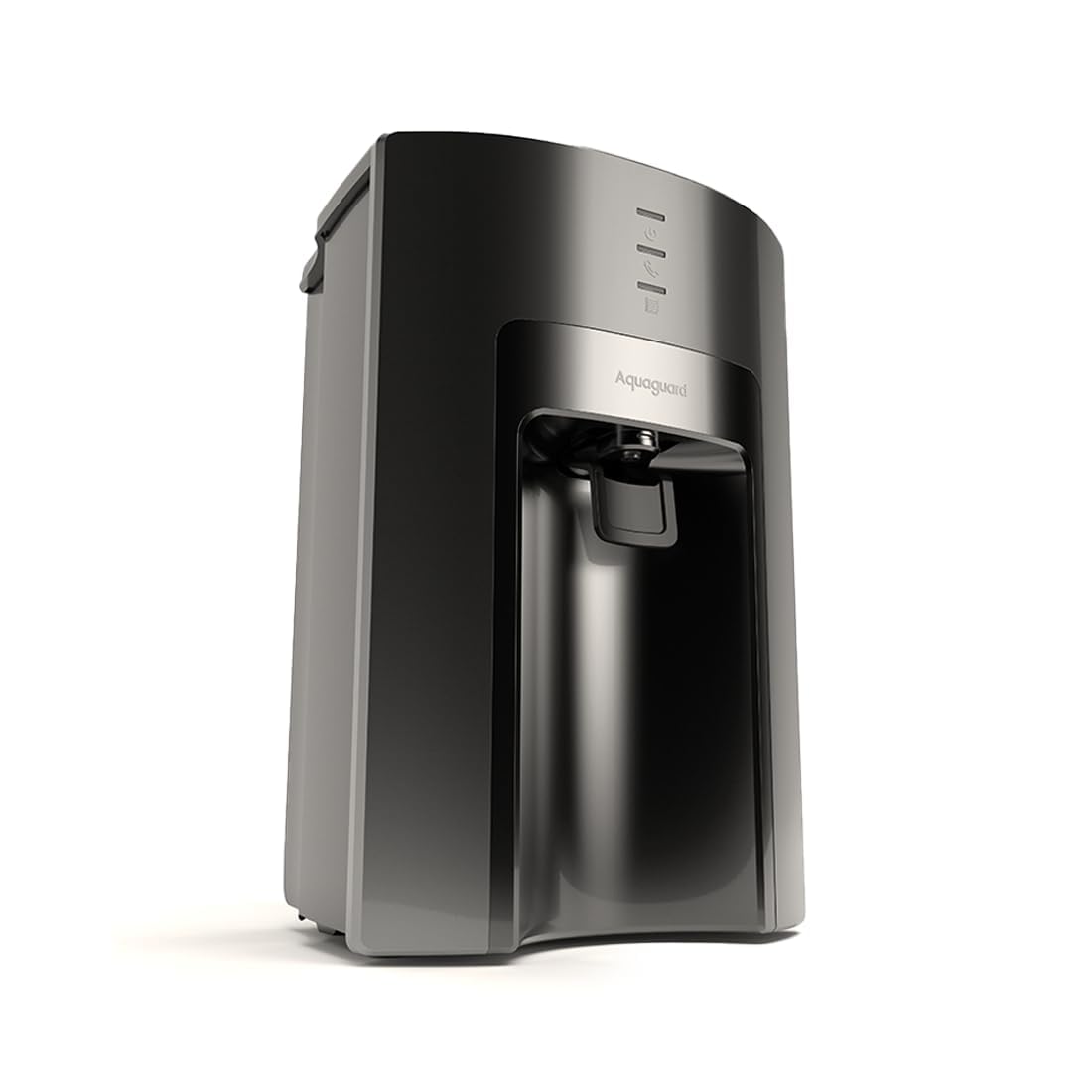
Aquaguard Delight NXT Aquasaver 9-Stage Water Purifier

Pureit Eco Water Saver RO Purifier (Black) with RO+UV+MF Filtration

KENT Smart Plus UV Water Purifier

Livpure Allura Prime Water Purifier RO+UV+UF+Copper+Alkaline

Aquaguard Enrich Ritz Pro RO+UV+Copper+Alkaline Water Purifier
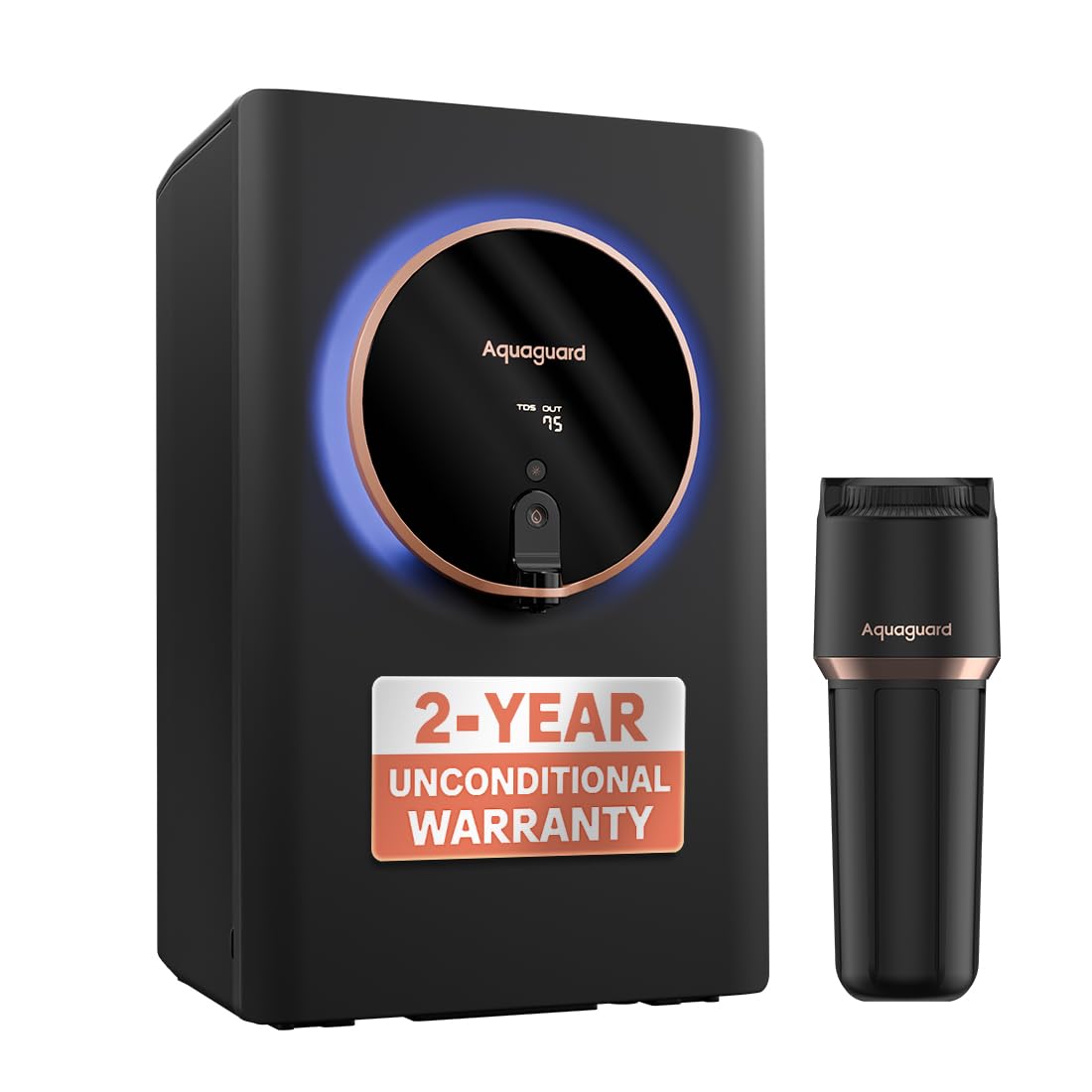
Aquaguard Aspire Glow RO+UV+Copper+Alkaline Water Purifier

KENT Elegant-B RO Water Purifier

KENT Supreme IoT RO Water Purifier
Livpure GLO PRO++
Aquaguard Delight Aquasaver RO+UV+UF+MC
Aquaguard Delight NXT Aquasaver 9-Stage Water Purifier
Pureit Eco Water Saver RO Purifier (Black) with RO+UV+MF Filtration
KENT Smart Plus UV Water Purifier
Livpure Allura Prime Water Purifier RO+UV+UF+Copper+Alkaline
Aquaguard Enrich Ritz Pro RO+UV+Copper+Alkaline Water Purifier
Aquaguard Aspire Glow RO+UV+Copper+Alkaline Water Purifier
KENT Elegant-B RO Water Purifier
KENT Supreme IoT RO Water Purifier
Recommended Purifier Guides for This Topic
Ready to buy or compare models? Explore our lab-tested recommendations tailored to your home's water.
Best Water Purifiers for Babies & Infants in India (2026)
Protect your newborn. We review the most trusted, baby-safe water purifiers featuring BPA-free tanks, heavy metal shields, and 100% UV/UF sterilization.
Top Water Purifiers Recommended by Doctors & Pediatricians (2026 Clinical Review)
Discover the top water purifiers recommended by doctors and pediatricians in India. Medical-grade stainless steel tanks, 100% RO, UV-C sterilisation, and pure mineral balance.
Best High-Capacity RO+UV Systems for Large Families with Multiple Children
When you have 3+ kids, an empty RO tank means someone is drinking tap water. Discover the top 5 high-capacity, fast-recovery water purifiers for large households.
Ready to secure your home's water?
Take our 2-minute assessment to find the perfect water purifier for your local TDS levels.
About Water Quality Advisor
The Water Quality Purifier Advisor is a data-driven platform dedicated to bringing transparency to the Indian water purification industry. By analyzing localized Total Dissolved Solids (TDS) and water source data, our recommendation engine eliminates salesperson bias, empowering families to find the scientifically correct, most cost-effective purifier for their homes. Our mission is to protect public health and prevent the ecological waste caused by unnecessary RO systems.
Ready for Expert Advice?
Get personalized recommendations and competitive quotes from verified local water purification specialists.
Your data is secure and never shared.
Similar articles
The Hidden Maintenance Costs of RO Purifiers Under ₹15,000 (2026 Guide)
Are budget RO purifiers worth it? Uncover the hidden AMC traps, proprietary filter replacement costs, and true 5-year TCO of water purifiers under ₹15,000.
Do Babies Need Distilled Water? The Truth About 'Nursery Water' Brands (2026)
Confused about 'Nursery Water' and distilled water for your baby? Learn whether infants need distilled water for formula, mineral safety, and RO alternatives.

Why You Need a Data-Driven Approach to Choose a Water Purifier: Inside the AI Diagnostic Engine
Don't gamble with retail showroom guesswork. Discover how Water Purifier Advisor uses localized geochemical data, AI lab report scanning, and algorithmic matching to select the exact filtration technology your home needs.
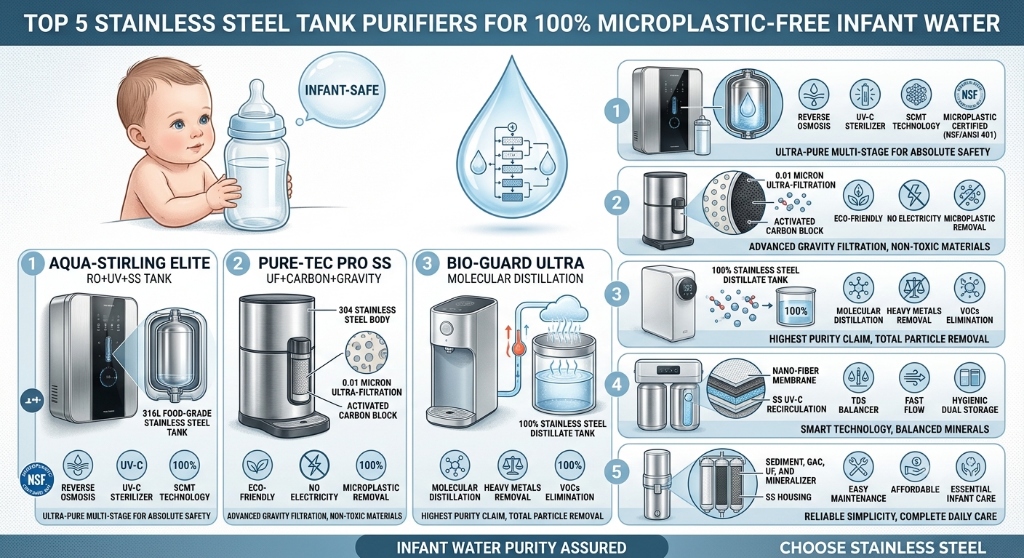
The Dangers of Microplastics in Baby Formula: How to Filter Them Out (2026 Guide)
Discover how microplastics contaminate infant formula through boiling, plastic bottles, and tap water, and learn how Reverse Osmosis and stainless steel eliminate them.
Fluoride in Tap Water: Is It Safe for Your Toddler’s Developing Teeth? (2026)
Is fluoride in tap water safe for your toddler? Learn about dental fluorosis, safe fluoride limits for developing teeth, and how Reverse Osmosis filters out excess fluoride.
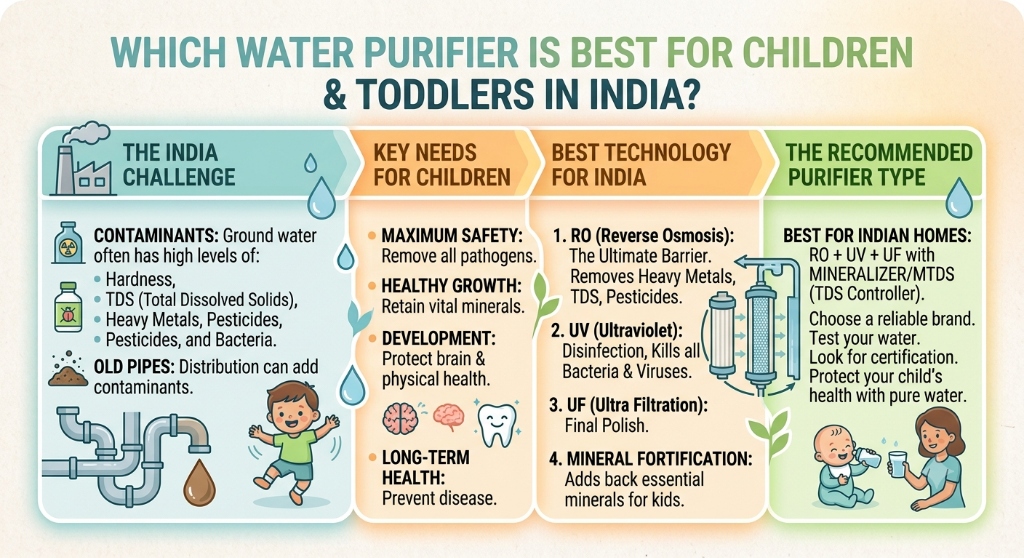
Which Water Purifier is Best for Children & Toddlers in India?
Looking for the safest water purifier for your toddler? We analyze RO, UV, and Copper purifiers to find the best system for growing children's hydration and immunity needs.
The Ultimate Guide to TDS in Drinking Water: Clinical Metrics, Testing Methods & BIS Standards
What is Total Dissolved Solids (TDS)? Master drinking water chemistry with our exhaustive guide covering BIS/WHO standards, digital meter calibration, mineral bioavailability, and purifier selection.
Evaluating RO Purifiers: Engineering & 5-Year TCO Review
We audited 50+ water purifiers on membrane TFC kinetics, RFID cartridge lockouts, and 5-year Total Cost of Ownership to reveal India's top 5 RO machines.
Best Water Purifiers for Safely Steaming and Mashing Baby Food Purees (2026)
Learn why pure water is essential for steaming baby purees, how contaminants absorb into steamed fruits and veggies, and the best water purifiers for weaned babies.
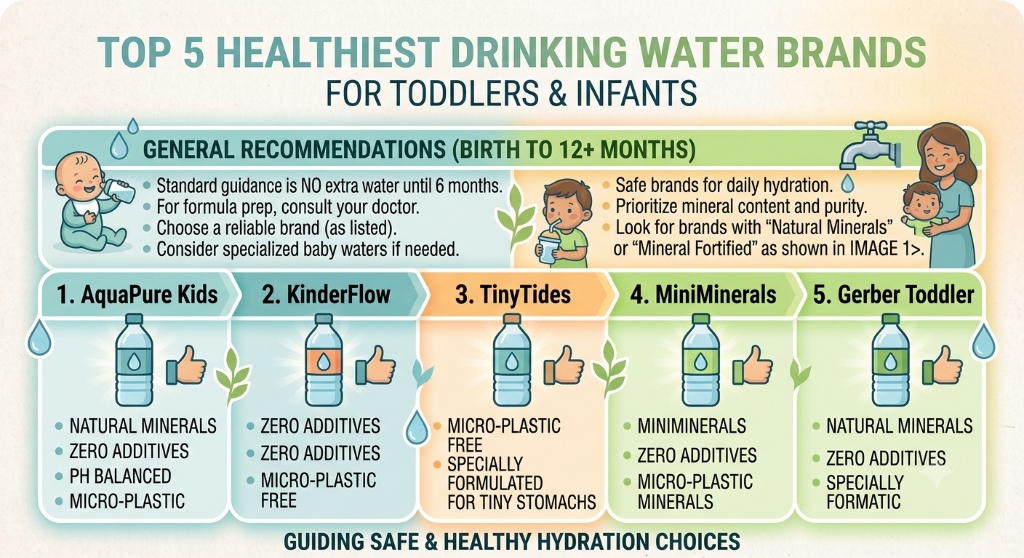
Top 5 Healthiest Drinking Water Brands for Toddlers & Infants
Traveling with a baby? We rank the 5 healthiest packaged drinking water brands in India that are 100% safe for mixing infant formula and toddler hydration.
The Hidden Maintenance Costs of RO Purifiers Under ₹15,000 (2026 Guide)
Are budget RO purifiers worth it? Uncover the hidden AMC traps, proprietary filter replacement costs, and true 5-year TCO of water purifiers under ₹15,000.
Do Babies Need Distilled Water? The Truth About 'Nursery Water' Brands (2026)
Confused about 'Nursery Water' and distilled water for your baby? Learn whether infants need distilled water for formula, mineral safety, and RO alternatives.
Why You Need a Data-Driven Approach to Choose a Water Purifier: Inside the AI Diagnostic Engine
Don't gamble with retail showroom guesswork. Discover how Water Purifier Advisor uses localized geochemical data, AI lab report scanning, and algorithmic matching to select the exact filtration technology your home needs.
The Dangers of Microplastics in Baby Formula: How to Filter Them Out (2026 Guide)
Discover how microplastics contaminate infant formula through boiling, plastic bottles, and tap water, and learn how Reverse Osmosis and stainless steel eliminate them.
Fluoride in Tap Water: Is It Safe for Your Toddler’s Developing Teeth? (2026)
Is fluoride in tap water safe for your toddler? Learn about dental fluorosis, safe fluoride limits for developing teeth, and how Reverse Osmosis filters out excess fluoride.
Which Water Purifier is Best for Children & Toddlers in India?
Looking for the safest water purifier for your toddler? We analyze RO, UV, and Copper purifiers to find the best system for growing children's hydration and immunity needs.
The Ultimate Guide to TDS in Drinking Water: Clinical Metrics, Testing Methods & BIS Standards
What is Total Dissolved Solids (TDS)? Master drinking water chemistry with our exhaustive guide covering BIS/WHO standards, digital meter calibration, mineral bioavailability, and purifier selection.
Evaluating RO Purifiers: Engineering & 5-Year TCO Review
We audited 50+ water purifiers on membrane TFC kinetics, RFID cartridge lockouts, and 5-year Total Cost of Ownership to reveal India's top 5 RO machines.
Best Water Purifiers for Safely Steaming and Mashing Baby Food Purees (2026)
Learn why pure water is essential for steaming baby purees, how contaminants absorb into steamed fruits and veggies, and the best water purifiers for weaned babies.
Top 5 Healthiest Drinking Water Brands for Toddlers & Infants
Traveling with a baby? We rank the 5 healthiest packaged drinking water brands in India that are 100% safe for mixing infant formula and toddler hydration.
Next Steps: Free Water Tools & Guides
Continue your research with our interactive calculators, AI assessment, and expert buying guides.
Tools & Calculators
Smart Purifier Catalog
Browse our full catalog of water purifiers with advanced filtering.
Maintenance Estimator
Avoid AMC traps and calculate your exact 5-year filter replacement costs.
5-Year TCO Calculator
Compare long-term costs of Buying vs Renting vs Water Jars.
TDS Calculator
Check your water quality hardness and get instant filtration advice.
AI Water Advisor
Take our 30-second quiz for personalized purifier recommendations.
Top Blog Posts & Guides
Top 10 Purifiers in India
Lab-tested rankings of 2026's best purifiers with 5-year AMC costs.
Best RO for Borewell
High-TDS purification systems tailored for hard borewell water.
Best for Municipal Water
Low-maintenance UV/UF purifiers for municipal corporation supply.
Is RO Water Safe to Drink Daily? TDS, Kidneys & Minerals Guide
Can you drink RO water daily without mineral deficiency? Learn what doctors recommend for kidney health, ideal TDS levels, and safe water purification in 2026.
Do Babies Need Distilled Water? The Truth About 'Nursery Water' Brands (2026)
Confused about 'Nursery Water' and distilled water for your baby? Learn whether infants need distilled water for formula, mineral safety, and RO alternatives.
Comments & Discussion
0 Comments