
Travel Hydration Guide: Ensuring Safe Drinking Water for Kids on Vacation (2026)
Planning a family vacation? Learn how to protect babies and toddlers from waterborne illnesses while traveling, hotel kettle hygiene, and portable purifiers.
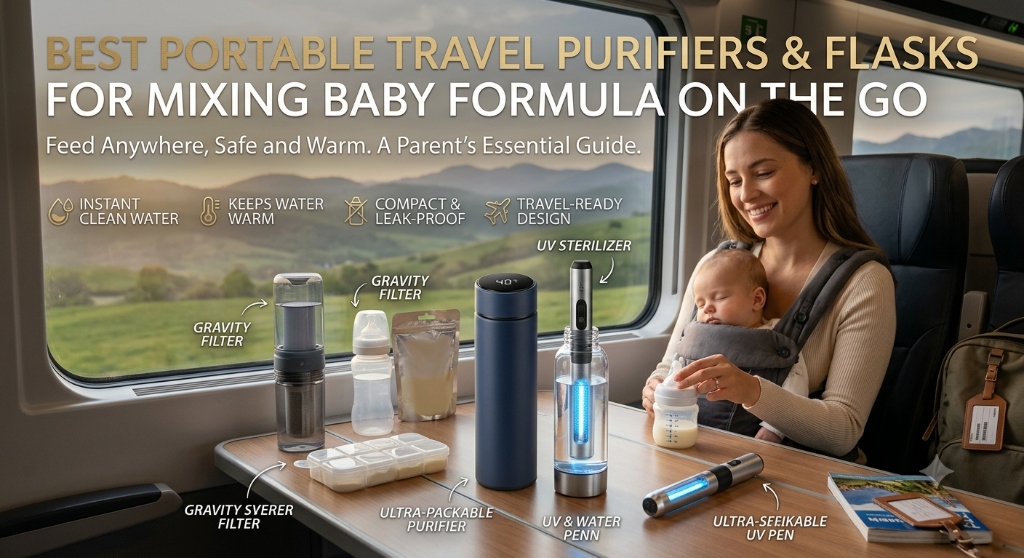
📖 16 min read · Fact-Checked by Praveen, Certified Water Quality Specialist & Pediatric Travel Health Consultant
Embarking on a family vacation with infants and toddlers can yield cherished lifelong memories—whether you are escaping to a tropical beach resort, taking a scenic mountain road trip, or traveling internationally to visit grandparents. However, beneath the joyous anticipation of family travel lies an intense, universal parental vulnerability: how to ensure that the water your child consumes, bathes in, and drinks via reconstituted formula is biologically and chemically safe in an unfamiliar environment.
According to global pediatric travel registries, acute traveler’s diarrhea (TD) afflicts between 30% and 50% of traveling children under five within their first two weeks of transit. In an infant or young toddler, clinical dehydration does not develop gradually over days—it can cascade into hypovolemic shock, metabolic acidosis, and renal shutdown in under 12 to 18 hours of unmanaged vomiting and watery diarrhea. Compounding this medical vulnerability are the hidden biological traps of the travel industry: biofilm-encrusted hotel room electric kettles, resort ice machines contaminated with norovirus, chlorine-resistant amoebic cysts in swimming pools, and an extensive international black market of counterfeit bottled drinking water refilled from raw taps.
In this exhaustive 2026 technical guide, we evaluate clinical epidemiological data on pediatric travel infections, review investigative findings from the CDC Vessel Sanitation Program and global consumer police raids, unpack the microbiological limitations of standard travel filters, and provide an actionable, pediatrician-approved travel hydration protocol to safeguard your family anywhere in the world.
Table of Contents
- The Global Investigative Evidence: Real-World Travel Outbreaks
- The Pediatric Physiology of Travel Dehydration: Why Kids Crash Rapidly
- The Pathogen Profile: What Lurks in Resort and Transit Water
- The Hotel Room Kettle Scandal: Hidden Chemical and Microbial Biofilms
- The Counterfeit Bottled Water Black Market: Forensic Detection Guide
- Resort Ice and Swimming Pools: The Overlooked Vectors
- Travel Water Purification Technologies: What Works and What Fails
- The Clinical Hotel Room Formula & Puree Preparation Protocol
- Emergency Pediatric Oral Rehydration Protocol (WHO-ORS Standards)
- Authoritative Global Directives: CDC Yellow Book, WHO, & NHS Fit for Travel
- Comprehensive Frequently Asked Questions (Parental & Travel FAQs)
- Travel Medicine & Parasitology Glossary
The Global Investigative Evidence: Real-World Travel Outbreaks
Parental caution regarding travel water is validated by dozens of documented epidemiological crises across premier vacation destinations worldwide.
1. The “Bali Belly” and Latin American Pediatric Travel Outbreaks
In popular tourist paradises across Bali (Indonesia), Cancun and Cabo San Lucas (Mexico), Phuket (Thailand), and luxury Nile River cruises in Egypt, pediatric clinics manage continuous streams of foreign pediatric emergency admissions.
In an epidemiological study published in the Journal of Travel Medicine:
- Over 42% of pediatric travelers under age 6 visiting Southeast Asia and Central America contracted acute infectious gastroenteritis within the first seven days of arrival.
- Diagnostic stool multiplex PCR testing revealed that the dominant causative agents were Enterotoxigenic Escherichia coli (ETEC), Campylobacter jejuni, and Rotavirus.
- Crucially, parent interviews revealed that over 80% of afflicted families had diligently purchased sealed bottled water for direct drinking. The primary transmission vectors were traced to resort restaurant ice cubes made from untreated municipal tap water, eating fresh cut fruits washed in local sink water, and cleaning pacifiers and baby bottle teats under hotel bathroom faucets.
2. The CDC Cruise Ship Potable Water Investigations
The Centers for Disease Control and Prevention (CDC) Vessel Sanitation Program (VSP) conducts rigorous unannounced inspections of passenger cruise ships docking at international ports.
Forensic bacteriological audits across multiple luxury mega-liners have documented alarming recurring failures:
- Potable water bunkering tanks and cross-connection plumbing lines frequently harbored dense biofilms of Norovirus and opportunistic coliform bacteria.
- Automated commercial ice-dispensing machines tested positive for mold and bacterial slime due to uncleaned internal ice chutes and condensation trays.
- In multiple vessel gastrointestinal illness outbreaks affecting dozens of pediatric travelers, water drawn from cabin bathroom sinks exhibited inadequate free chlorine residuals, allowing viral cross-contamination between cabin fixtures.
3. The Counterfeit Bottled Water Black Market Raids
In tourist corridors throughout developing nations—including major transit hubs across Southeast Asia, North Africa, and South Asia—organized commercial counterfeiting operations exploit high consumer demand for bottled water.
In investigative police raids documented by international consumer protection authorities:
- Criminal syndicates collected empty, discarded branded plastic water bottles from restaurant dumpsters and tourist hotels.
- The discarded bottles were refilled with untreated, unchlorinated groundwater or municipal tap water, capped with counterfeit plastic lids, and resealed using cheap handheld heating tools or hot glue.
- In a major forensic raid in an Indian railway tourist corridor, over 20,000 counterfeit bottles bearing misspellings of prominent international brands were seized; laboratory analysis revealed heavy fecal coliform contamination and toxic industrial plasticizer residues.
These real-world investigations demonstrate that parents cannot simply rely on casual bottled water purchases or luxury hotel branding to guarantee their baby’s biological safety.
The Pediatric Physiology of Travel Dehydration: Why Kids Crash Rapidly
An adult suffering from traveler’s diarrhea can tolerate fluid loss for several days with mild discomfort. In contrast, an infant or toddler can transition from mild malaise to life-threatening circulatory collapse within hours.
       ADULT FLUID DYNAMICS (70 kg)                    INFANT FLUID DYNAMICS (8 kg)
       ============================                    ============================
Body Composition: ~60% Water                   Body Composition: ~75% to 80% Water
Extracellular Fluid (ECF): ~20% of Body Wt     Extracellular Fluid (ECF): ~45% of Body Wt
High Renal Solute Concentrating Capacity       IMM пиш Immature Nephrons (Low Concentrating Power)
Daily Fluid Turnover: ~8% of Body Water        Daily Fluid Turnover: OVER 20% OF TOTAL BODY WATER!
1. Immense Extracellular Fluid Proportion
In a newborn infant, total body water accounts for roughly 75% to 80% of total body weight, compared to 60% in an adult. More importantly, nearly 45% of an infant’s fluid resides in the easily mobile extracellular fluid (ECF) compartment.
When pathogenic bacteria trigger secretory diarrhea, fluid is drawn directly out of this ECF space. Because an infant’s daily metabolic fluid turnover rate is more than double that of an adult (over 20% of their total body water is exchanged daily), acute fluid losses deplete systemic circulation at extreme velocity.
2. Immature Renal Concentrating Ability
As explored in our analysis of infant renal solute load, neonatal kidneys cannot produce highly concentrated urine to conserve water during dehydration. Even when severely fluid-depleted, an infant’s kidneys continue excreting relatively dilute urine, exacerbating systemic volume contraction.
3. Rapid Progression to Hypovolemic Shock
In clinical pediatric medicine, dehydration progresses through three stages:
- Mild Dehydration (3–5% fluid loss): Dry lips, mild thirst, slightly reduced urine output.
- Moderate Dehydration (6–9% fluid loss): Sunken anterior fontanelle (soft spot on top of head), absence of tears when crying, dry mucosal membranes, irritability, sunken eyes.
- Severe Dehydration ($\ge10%$ fluid loss): Lethargy, cold mottled extremities, prolonged skin turgor recoil ($>2\text{ seconds}$), rapid thready pulse, oliguria/anuria (zero wet diapers in 8 hours), hypovolemic shock.
The Pathogen Profile: What Lurks in Resort and Transit Water
Travel water introduces infants to an aggressive spectrum of pathogenic microorganisms to which their developing immune systems possess zero baseline maternal or acquired antibodies.
Contaminant Spectrum & Survival Profiles:
========================================================================================
Pathogen Class:   Bacterial Pathogens       Viral Pathogens           Protozoan Parasites
Examples:         ETEC, Salmonella,         Rotavirus, Norovirus,     Cryptosporidium,
                  Campylobacter             Enterovirus, Hepatitis A  Giardia lamblia
Size:             0.5 to 2.0 Microns        0.02 to 0.08 Microns      4 to 15 Microns (Cysts)
Chlorine Res.:    Low (Killed by Chlorine)  Moderate (Killed by High Cl) IMMUNE to Routine Chlorine!
Boiling Status:   Killed at 100°C (1 Min)   Killed at 100°C (1 Min)   Killed at 100°C (1 Min)
Pore Filter:      0.1 Micron Microfilter    PASSES THROUGH Microfilter! Captured by 0.1 Micron
========================================================================================
1. Enterotoxigenic Escherichia Coli (ETEC)
The undisputed primary driver of global traveler’s diarrhea. ETEC bacteria attach to the microvilli of the small intestine and produce heat-labile (LT) and heat-stable (ST) enterotoxins. These toxins hyper-activate mucosal adenylate cyclase, triggering massive, secretory, watery diarrhea that rapidly flushes essential sodium and potassium electrolytes out of the child’s body.
2. Cryptosporidium Parvum & Giardia Lamblia
These microscopic protozoan parasites form thick, environmentally resilient protective shells known as oocysts or cysts:
- Cryptosporidium oocysts are almost completely impervious to standard municipal chlorine disinfection. An oocyst can survive for over 7 days in a chlorinated hotel swimming pool containing $1\text{ mg/L}$ free chlorine!
- Ingestion of even a single droplet of pool or tap water containing Cryptosporidium can trigger two to three weeks of debilitating, foul-smelling, profuse watery diarrhea and malabsorption in young toddlers.
3. Norovirus and Rotavirus
Ultramicroscopic viral particles measuring merely 20 to 80 nanometers. They are highly contagious: an inoculum of fewer than 20 viral particles is sufficient to cause explosive vomiting and watery diarrhea. Because they are tiny nanoparticles, standard travel microfiltration straw filters (like Sawyer or LifeStraw) CANNOT capture viruses.
The Hotel Room Kettle Scandal: Hidden Chemical and Microbial Biofilms
Almost every international hotel room provides an electric kettle alongside complimentary tea and coffee packets. For parents traveling with formula-fed infants, this kettle appears to be a lifesaver for heating water and sterilizing bottles.
In reality, hotel room electric kettles represent a major microbiological hazard.
+-----------------------------------------------------------------------------------------+
|                  THE HOTEL ROOM ELECTRIC KETTLE CONTAMINATION REALITY                   |
+-----------------------------------------------------------------------------------------+
|                                                                                         |
|  1. THE "LAUNDRY" PRACTICE:                                                             |
|  Investigative hospitality surveys revealed that guests frequently use hotel kettles    |
|  to boil dirty underwear, socks, or washcloths to "sterilize" them in the room!         |
|                                                                                         |
|  2. THE CHEMICAL SCUM TRAP:                                                             |
|  Kettles accumulate thick, flaking crusts of calcium carbonate scale from local hard tap|
|  water, which absorb synthetic detergent residues and volatile cleaning chemicals.      |
|                                                                                         |
|  3. THE BIOFILM HOTBED:                                                                 |
|  Housekeeping staff rarely scrub internal kettle walls with disinfectants. Moist        |
|  stagnant water left by previous guests breeds multi-drug-resistant bacterial biofilms.  |
|                                                                                         |
|  RESULT: Boiling baby formula water in a hotel kettle transfers toxic residues & scum!  |
+-----------------------------------------------------------------------------------------+
The Parental Rule for Hotel Kettles:
Never pour water directly into an unknown hotel room kettle to prepare baby formula. If you must use the hotel kettle:
- Conduct a rigorous visual inspection of the internal heating coil and bottom plate.
- Boil a full batch of water containing a sachet of food-grade citric acid descaler or white vinegar, discard completely, and scrub with a paper towel.
- Boil and discard two additional full pots of clean bottled water before heating water for your child.
- Better yet, travel with your own collapsible food-grade silicone electric travel kettle or an insulated stainless steel thermos. Explore our guide to the best portable travel purifiers for baby formula.
The Counterfeit Bottled Water Black Market: Forensic Detection Guide
When purchasing packaged bottled water in tourist zones, road stops, or developing transit stations, follow this 6-point forensic verification checklist:
THE 6-POINT FORENSIC BOTTLED WATER INSPECTION CHECKLIST:
==========================================================================================
[ ] 1. THE AUDIBLE "CRACK" SEAL BREAK:
       When twisting the cap, listen for a crisp, continuous plastic snap along the entire
       tamper-evident perforated ring. If the cap spins smoothly without snapping, REJECT.
[ ] 2. THE UPSIDE-DOWN SQUEEZE TEST:
       Turn the sealed bottle upside-down and squeeze firmly with both hands. If even a
       single droplet of water leaks past the cap threads, the seal has been compromised.
[ ] 3. NECKLINE GLUE & HEAT RESIDUE:
       Inspect the plastic collar under bright light. Counterfeiters use hot glue or heat guns
       to reseal caps; look for melted plastic warping, cloudy glue strands, or rough edges.
[ ] 4. OPTICAL CLARITY & TURBIDITY CHECK:
       Hold the bottle against direct sunlight or your smartphone flashlight. Invert gently.
       Look for floating dust motes, micro-sediment flakes, or subtle discoloration.
[ ] 5. PHONETIC BRAND MISSPELLINGS:
       Counterfeiters rely on subtle typographical misdirection. Verify exact spelling
       (e.g., look for fake labels like "Bisleri" misspelled as "Bislari", "Bilseri", or "Aquafina" as "Aquafine").
[ ] 6. GOVERNMENT CERTIFICATION HOLOGRAMS:
       In India, look for mandatory ISI/BIS certification stamps with valid CM/L license numbers.
       In Europe/US, verify regional health inspection agency markings and lot batch codes.
==========================================================================================
Resort Ice and Swimming Pools: The Overlooked Vectors
Even the most vigilant parents who exclusively use certified bottled water for drinking frequently succumb to two environmental infection vectors:
1. The Resort Ice Machine Paradox
- How Ice Is Made: Commercial commercial ice makers in resort bars and restaurants are plumbed directly into the facility’s incoming municipal or private well water supply. Ice is rarely boiled or filtered through RO membranes before freezing.
- Cold Does Not Kill Pathogens: Freezing does not sterilize water. Pathogenic bacteria (Salmonella, E. coli) and viruses (Norovirus, Hepatitis A) can survive frozen inside solid ice cubes for months. When an ice cube melts in your toddler’s fruit juice or smoothie, millions of active, viable pathogens are released directly into the drink.
- Parental Rule: Strictly instruct resort staff: “No ice for the children, please” (Sin hielo, Pas de glaçons). Serve all toddler juices, coconut water, and drinks chilled in their original bottles or cans.
2. Swimming Pool Ingestion
- In warm tropical resorts, infants and toddlers spend hours splashing in resort wading pools.
- Toddlers accidentally swallow an average of 10 to 30 mL of pool water during a 45-minute swim session.
- As noted earlier, Cryptosporidium oocysts are immune to standard pool chlorine levels. A single child with a loose diaper who enters the pool can contaminate hundreds of thousands of gallons of water.
- Parental Rule: Keep young infants out of communal public resort pools if water clarity is cloudy. Shower your baby immediately after swimming using clean bottled or RO water, and ensure infants wear tight-fitting neoprene swim diapers.
Travel Water Purification Technologies: What Works and What Fails
When packing for international travel, parents have multiple water treatment devices available. Understanding their specific physical capabilities is critical:
| Purification Technology | Microbial Target Efficacy | Chemical & Heavy Metal Efficacy | Travel Portability | Pediatric Verdict |
|---|---|---|---|---|
| 0.1-Micron Hollow Fiber Straw (Sawyer / LifeStraw) | 99.999% of Bacteria & Cysts; 0% OF VIRUSES! | 0% (Dissolved chemicals pass straight through) | Ultra-light (pocket-sized) | Inadequate for formula; lacks viral/chemical protection |
| Portable UV-C Sterilizer Pen (SteriPEN) | 99.99% of Bacteria, Cysts, and VIRUSES | 0% (Does not remove lead, nitrates, or microplastics) | Compact, battery-operated | Excellent secondary barrier for clear bottled water |
| Chemical Chlorine Dioxide Tablets (Aquatabs) | Kills Bacteria & Viruses; slow on Cryptosporidium (needs 4 hrs) | 0% (Adds chemical taste and chlorite byproducts) | Featherweight foil blister packs | Emergency backup only; chemical taste disliked by toddlers |
| Portable Electric Travel RO Purifier | >99.9% Rejection of Bacteria, Viruses, Cysts | >95% Rejection of Nitrates, Lead, & Heavy Metals | Requires checked luggage (~2-3 kg) | GOLD STANDARD for extended villa or remote stays |
| Insulated Pre-Filled 304 Stainless Steel Flasks | 100% Sterile (filled with home RO water) | 100% Pure (retains initial home quality) | Bulky, limited to 1-2 day volume | Best for flights, road trips, & day excursions |
To explore compact, highly portable systems for temporary stays, review our guide on the top 10 compact water purifiers for small kitchens and bachelors.
The Clinical Hotel Room Formula & Puree Preparation Protocol
To guarantee that your infant’s milk and food remain 100% sterile and contaminant-free inside a hotel room, execute this non-negotiable preparation workflow:
THE 6-STEP HOTEL ROOM FORMULA WORKFLOW:
==========================================================================================
Step 1: THE BOTTLED WATER FORENSIC CHECK
        Purchase certified branded bottled water from an established pharmacy or major
        supermarket. Verify the cap seal, upside-down squeeze test, and brand spelling.
                                |
Step 2: SANITIZE THE HEATING APPLIANCE
        If using a portable personal travel kettle or inspected hotel kettle, wipe down the
        spout with an alcohol wipe. Pour in the certified bottled water.
                                |
Step 3: BRING TO A FULL ROLLING BOIL (100°C)
        Boil the water vigorously for at least ONE FULL MINUTE (or 3 minutes if vacationing
        at high altitudes above 2,000 meters / 6,500 feet).
                                |
Step 4: STABILIZE AT 70°C (158°F)
        Allow water to cool slightly until a digital stainless probe reads 70°C.
        (Mandatory to pasteurize the powdered formula against Cronobacter sakazakii!).
                                |
Step 5: RECONSTITUTE IN BOROSILICATE GLASS OR STAINLESS BOTTLE
        Pour 70°C water into your travel glass bottle, add formula powder, seal with a medical
        silicone nipple, and swirl gently until completely dissolved.
                                |
Step 6: RAPID BOTTLE COOLING (ICE-FREE WATER BATH)
        Submerge the sealed bottle in a sink basin filled with cold tap water.
        (Ensure the sink water NEVER touches the bottle rim or nipple!).
        Cool to body temperature (37°C) before feeding.
==========================================================================================
Emergency Pediatric Oral Rehydration Protocol (WHO-ORS Standards)
If, despite your best precautions, your child contracts acute traveler’s diarrhea or vomiting on vacation, your immediate clinical priority is rapid, aggressive oral rehydration therapy.
+-----------------------------------------------------------------------------------------+
|                  THE CLINICAL ORS BIOCHEMICAL TRANSPORT MECHANISM                       |
+-----------------------------------------------------------------------------------------+
|                                                                                         |
|  Cholera / ETEC Toxins Poison the Intestinal Sodium Absorptive Pumps.                   |
|  Plain water CANNOT be absorbed; it simply flushes out as more diarrhea!                |
|                                                                                         |
|  HOWEVER: THE SODIUM-GLUCOSE CO-TRANSPORTER 1 (SGLT-1) REMAINS 100% FUNCTIONAL!         |
|                                                                                         |
|  When Glucose and Sodium are administered in a PRECISE 1:1 MOLAR RATIO:                 |
|  Glucose binds to SGLT-1 ===> Pulls Sodium across the intestinal wall ===>               |
|  Massive osmotic pressure pulls 300 Water Molecules per Glucose Molecule!               |
|                                                                                         |
|  RESULT: Rapid systemic rehydration directly across the inflamed intestine!            |
+-----------------------------------------------------------------------------------------+
1. Sourcing and Mixing WHO-Standard Low-Osmolarity ORS
- Always pack at least 6 to 10 packets of standard Low-Osmolarity Oral Rehydration Salts (ORS) conforming to WHO/UNICEF Guidelines (245 mOsm/L).
- Exact Water Volume is Critical: Dissolve the entire ORS sachet in the precise volume of water specified on the packet (typically exactly 1 liter or 200 mL of pure, boiled bottled water).
- DO NOT add extra sugar, honey, juice, or milk to the ORS solution; hypertonic sugar concentrations will worsen osmotic diarrhea!
- Discard after 24 hours: An open ORS solution must be discarded and remixed fresh after 24 hours.
2. The Pediatric Rehydration Administration Schedule
- For Infants Under 2 Years: Administer 50 to 100 mL of ORS solution after every single loose, watery bowel movement.
- For Children Aged 2 to 5 Years: Administer 100 to 200 mL of ORS solution after every loose bowel movement.
- If the Child is Vomiting: Wait 10 minutes, then resume offering ORS slowly: one teaspoon (5 mL) every 2 to 3 minutes using a clean oral syringe or spoon. Small, frequent sips bypass the gastric vomiting reflex and are absorbed immediately.
3. Red-Flag Symptoms: When to Go to the Emergency Room
Transport your child to the nearest hospital immediately if you observe:
- Complete refusal to drink fluids or inability to hold down liquids for over 6 hours.
- Sunken eyes, a deeply depressed anterior fontanelle, and zero wet diapers in 8 hours.
- High persistent fever ($>38.5^\circ\text{C} / 101.3^\circ\text{F}$).
- Blood or black tarry material in the stool (dysentery).
- Extreme lethargy, limpness, confusion, or difficulty waking.
Authoritative Global Directives: CDC Yellow Book, WHO, & NHS Fit for Travel
1. CDC Yellow Book (Health Information for International Travel)
In the CDC Yellow Book Chapter on Travelers’ Diarrhea, federal epidemiologists state that traveling with infants requires meticulous water security. The CDC highlights:
- Avoiding all tap water, fountain drinks, and ice cubes in medium-to-high-risk nations.
- Exercising extreme caution with unpasteurized dairy and raw peeled produce.
- The immediate deployment of oral rehydration salts at the very first onset of diarrhea.
2. World Health Organization (WHO)
The WHO Guide to Safe Food and Water for Travellers advises traveling families to adopt the universal food safety mantra: “Boil it, cook it, peel it, or forget it.” The WHO specifically warns that single-use plastic bottles should be crushed after consumption to prevent illicit refilling and resale by counterfeiters.
3. NHS Fit for Travel (UK National Health Service)
The NHS Fit for Travel Pediatric Guidelines caution parents against administering over-the-counter anti-diarrheal motility-stopping drugs (such as loperamide / Imodium) to children under 12 years. These medications paralyze gut peristalsis, trapping bacterial enterotoxins inside the child’s intestine and increasing the risk of toxic megacolon. Rehydration with ORS is the only endorsed frontline therapy.
Comprehensive Frequently Asked Questions
Q1: Can I use hotel bathroom sink water to brush my toddler’s teeth?
No, absolutely not. Toddlers frequently swallow water and toothpaste while brushing. Rinsing a toothbrush under a hotel bathroom faucet introduces local pathogens directly onto the bristles. Always keep a bottle of verified bottled water or pre-filled home RO water beside the bathroom sink exclusively for wetting the toothbrush, rinsing, and washing bottle nipples.
Q2: Is it safe to feed a toddler fresh watermelon or fruit salad at a hotel buffet?
Only if the fruit has a thick, unbroken skin that you peel yourself (such as bananas, oranges, and mangoes). Pre-sliced fruits like watermelon, papaya, and cantaloupe served on hotel buffet lines have often been washed in untreated municipal tap water, sliced with unsterilized kitchen knives, and allowed to sit at room temperature for hours, providing an ideal breeding ground for Salmonella and E. coli.
Q3: What type of water should I pack for an international commercial flight?
Airport security regulations permit parents traveling with babies and toddlers to carry exempt quantities of medically necessary liquids, including pre-boiled water, liquid formula, and breast milk, exceeding the standard 100 mL TSA liquid restriction. Inform security screeners at the checkpoint that you are carrying baby hydration liquids; pack water in clear, sealed bottles for rapid separate X-ray and vapor inspection.
Q4: Are chemical water purification tablets safe for baby formula?
Chlorine-based purification tablets should be avoided for infants under one year except in extreme survival emergencies. Chemical tablets (such as sodium dichloroisocyanurate / Aquatabs) generate residual free chlorine and chlorite byproducts that irritate an infant’s delicate gastric mucosa and alter formula solubility. Thermal boiling (100°C for 1 full minute) or high-grade physical membrane filtration is vastly safer.
Q5: Can I give my dehydrated toddler coconut water or sports electrolyte drinks instead of ORS?
No, sports drinks and packaged fruit juices are dangerous for dehydrated infants. Sports drinks (like Gatorade) and fruit juices contain very high sugar concentrations (hypertonic) and very low sodium levels. Administering sugary drinks to an infant with diarrhea pulls water out of the bloodstream into the bowel lumen via osmosis, dramatically worsening diarrhea. Only scientifically formulated WHO Low-Osmolarity ORS delivers the precise sodium-to-glucose ratio required for intestinal absorption.
Q6: Can I wash baby bottles with hotel tap water if I dry them thoroughly?
Only if you sterilize them afterward. Washing bottles with untreated hotel tap water leaves microscopic droplets harboring bacteria on the interior bottle walls and silicone nipples. If you must wash bottles with hotel tap water, immediately follow by submerging the bottles and nipples in a rolling boil for 5 minutes, or use a travel cold-water chemical sterilizing tablet system (like Milton) dissolved in clean water.
Q7: Does freezing tap water into ice kill parasites like Giardia?
No. Protozoan cysts and bacterial pathogens are cryo-tolerant; they can survive for months in sub-zero freezer environments. When the ice melts inside a beverage, the parasites revive and initiate infection. Never add ice cubes to any drink served to a baby or young child while traveling.
Q8: What should I do with empty bottled water bottles in developing regions?
Always crush the empty plastic bottle flat and remove the cap before discarding it in a trash bin. This simple physical habit destroys the bottle’s commercial utility, preventing local black-market counterfeiters from retrieving the empty bottle, refilling it with raw tap water, and selling it to the next unsuspecting family.
Q9: Can an infant catch waterborne illnesses from bath water on vacation?
Yes, infants frequently swallow bath water while playing in the tub. When bathing your baby in a hotel bathroom, keep water levels shallow, supervise constantly to prevent splashing into the mouth, and never use bath sponges or toys that harbor moist bacterial biofilms. Perform a targeted sponge bath using bottled water if the local municipal supply is known to be heavily contaminated.
Q10: At what age is a child’s immune system mature enough to handle travel tap water?
Most pediatric infectious disease specialists advise that children should not consume unfiltered tap water in high-risk developing travel zones until at least 5 to 7 years of age, when their gut mucosal immune system (secretory IgA production) and gastric acid barriers have attained near-adult maturity. Read our related guide: What Age is Water Safe for Babies?.
Travel Medicine & Parasitology Glossary
- Enterotoxigenic Escherichia coli (ETEC): A major bacterial pathogen responsible for the vast majority of traveler’s diarrhea cases worldwide; secretes heat-labile and heat-stable enterotoxins that drive acute secretory fluid loss.
- Cryptosporidium parvum: A microscopic, single-celled protozoan parasite that forms durable oocysts resistant to chlorine disinfection; causes severe, prolonged, watery diarrheal illness.
- Oral Rehydration Salts (ORS): A scientifically formulated balanced glucose-electrolyte powder conforming to WHO/UNICEF standards (245 mOsm/L); harnesses sodium-glucose co-transport to reverse dehydration.
- Sodium-Glucose Co-Transporter 1 (SGLT-1): An active transport protein in the luminal brush-border membrane of intestinal enterocytes; pairs the absorption of one glucose molecule with two sodium ions, driving massive water reabsorption.
- Vessel Sanitation Program (VSP): A specialized inspection cooperative managed by the US CDC to oversee food, water, and environmental sanitation on passenger cruise ships worldwide.
- Hypovolemic Shock: A life-threatening physiological collapse resulting from severe intravascular fluid and electrolyte depletion, characterized by hypotension, tissue hypoperfusion, and organ failure.
- Microfiltration (MF): A membrane filtration process utilizing pore apertures between 0.1 and 1.0 microns; captures bacteria and parasites, but allows all viral particles and dissolved chemical toxins to penetrate.
- Low-Osmolarity Solution: A fluid formulation maintaining an osmolarity lower than plasma (typically 245 mOsm/kg); prevents osmotic diarrhea and accelerates intestinal water transit.
- Dysentery: An inflammatory disorder of the gastrointestinal tract characterized by severe diarrhea containing visible blood, mucus, and inflammatory exudates, accompanied by painful tenesmus.
- 304 Surgical Stainless Steel: An austenitic iron alloy containing roughly 18% chromium and 8% nickel; completely inert, corrosion-resistant, and ideal for long-term safe travel hydration flasks.
Recommended Next Steps for Traveling Families:
- Audit Your Travel Gear: Explore our lab-tested picks for the Best Portable Travel Purifiers for Baby Formula.
- Review Home Preparation Systems: Discover zero-plastic kitchen setups in our Top 10 Stainless Steel Tank Water Purifiers Guide.
- Verify Pediatric Readiness: Read our clinical guide on what age water is truly safe for babies.
Our Top Picks for You
Ready to upgrade? Here are the highest-rated purifiers on the market right now.

Livpure GLO PRO++

Aquaguard Delight Aquasaver RO+UV+UF+MC
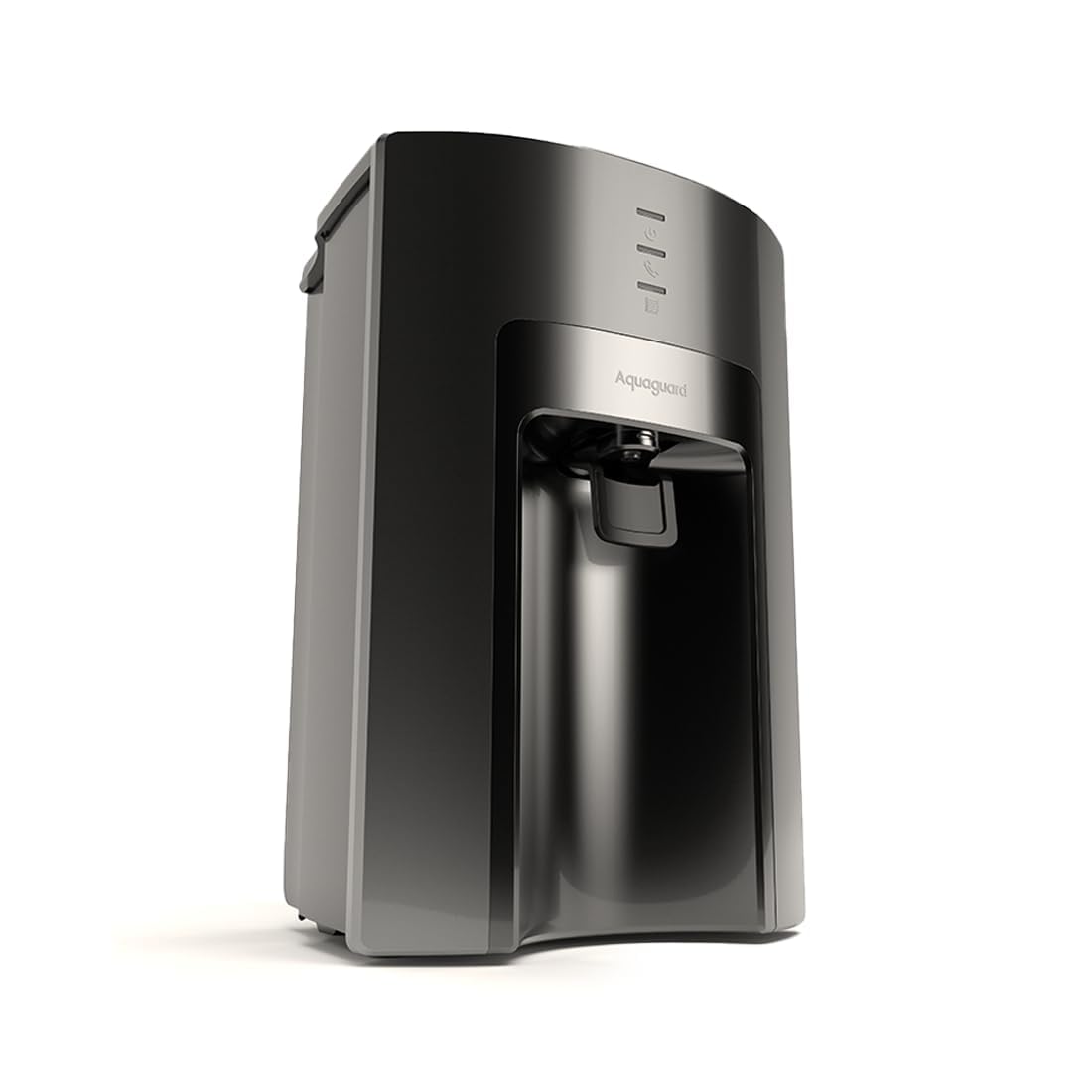
Aquaguard Delight NXT Aquasaver 9-Stage Water Purifier

Livpure Allura Prime Water Purifier RO+UV+UF+Copper+Alkaline

Aquaguard Enrich Ritz Pro RO+UV+Copper+Alkaline Water Purifier
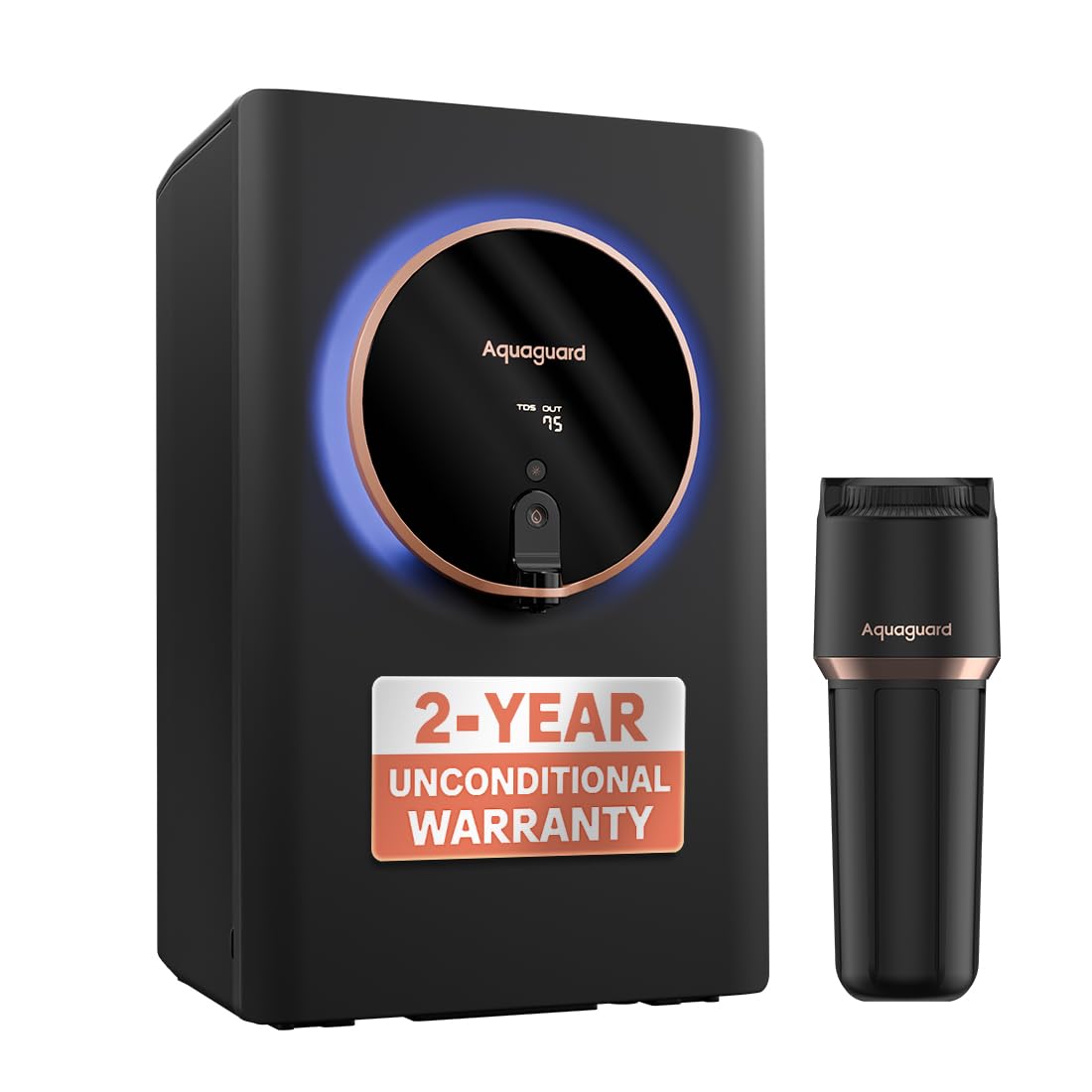
Aquaguard Aspire Glow RO+UV+Copper+Alkaline Water Purifier

Livpure GLO PRO++ RO+UV+UF

Aquaguard ASPIRE Blaze RO+UV Water Purifier

Aquaguard Marvel NXT Active Copper RO+UV+UF + 1 Free Alkaline Bottle

LG RO Water Purifier
Livpure GLO PRO++
Aquaguard Delight Aquasaver RO+UV+UF+MC
Aquaguard Delight NXT Aquasaver 9-Stage Water Purifier
Livpure Allura Prime Water Purifier RO+UV+UF+Copper+Alkaline
Aquaguard Enrich Ritz Pro RO+UV+Copper+Alkaline Water Purifier
Aquaguard Aspire Glow RO+UV+Copper+Alkaline Water Purifier
Livpure GLO PRO++ RO+UV+UF
Aquaguard ASPIRE Blaze RO+UV Water Purifier
Aquaguard Marvel NXT Active Copper RO+UV+UF + 1 Free Alkaline Bottle
LG RO Water Purifier
Recommended Purifier Guides for This Topic
Ready to buy or compare models? Explore our lab-tested recommendations tailored to your home's water.
Best Water Purifiers for Babies & Infants in India (2026)
Protect your newborn. We review the most trusted, baby-safe water purifiers featuring BPA-free tanks, heavy metal shields, and 100% UV/UF sterilization.
Top Water Purifiers Recommended by Doctors & Pediatricians (2026 Clinical Review)
Discover the top water purifiers recommended by doctors and pediatricians in India. Medical-grade stainless steel tanks, 100% RO, UV-C sterilisation, and pure mineral balance.
Best High-Capacity RO+UV Systems for Large Families with Multiple Children
When you have 3+ kids, an empty RO tank means someone is drinking tap water. Discover the top 5 high-capacity, fast-recovery water purifiers for large households.
Ready to secure your home's water?
Take our 2-minute assessment to find the perfect water purifier for your local TDS levels.
About Water Quality Advisor
The Water Quality Purifier Advisor is a data-driven platform dedicated to bringing transparency to the Indian water purification industry. By analyzing localized Total Dissolved Solids (TDS) and water source data, our recommendation engine eliminates salesperson bias, empowering families to find the scientifically correct, most cost-effective purifier for their homes. Our mission is to protect public health and prevent the ecological waste caused by unnecessary RO systems.
Ready for Expert Advice?
Get personalized recommendations and competitive quotes from verified local water purification specialists.
Your data is secure and never shared.
Similar articles
Kent Grand Plus vs Aquaguard Aura: 2026 In-Depth Comparison & Maintenance Audit
Kent Grand Plus vs Aquaguard Aura compared head-to-head: real filtration stages, water recovery, 5-year AMC costs, open vs RFID filter lock-in, and final verdict.
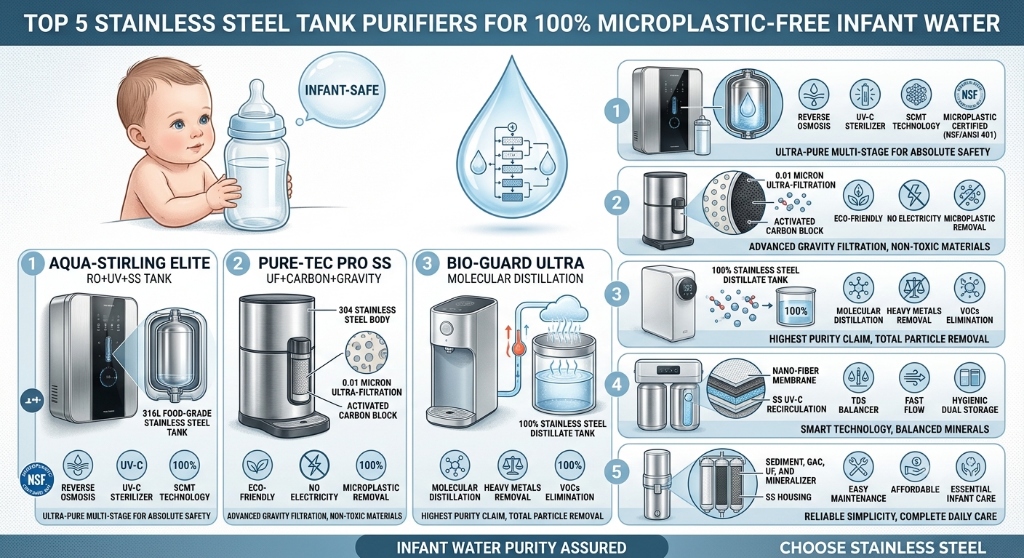
The Dangers of Microplastics in Baby Formula: How to Filter Them Out (2026 Guide)
Discover how microplastics contaminate infant formula through boiling, plastic bottles, and tap water, and learn how Reverse Osmosis and stainless steel eliminate them.
Are IoT Smart Water Purifiers Worth the Hype? A 2026 Buying Guide
Discover if IoT smart water purifiers are worth the investment in 2026. We break down the real ROI, Wi-Fi features, and smart TDS tracking to help you decide.
Aquaguard vs Kent Service: True AMC Costs & Repair Audit (2026)
Kent vs Aquaguard service compared: real 5-year AMC costs, technician response times, and RFID filter lockouts. Find out which brand is cheaper to maintain in 2026.
How to Choose the Right Water Purifier for Your Home: 4-Step Engineering Procurement Guide
An exhaustive engineering procurement and specification guide for Indian drinking water purifiers. Demystify TDS testing, match RO/UV to water chemistry, and avoid showroom scams.
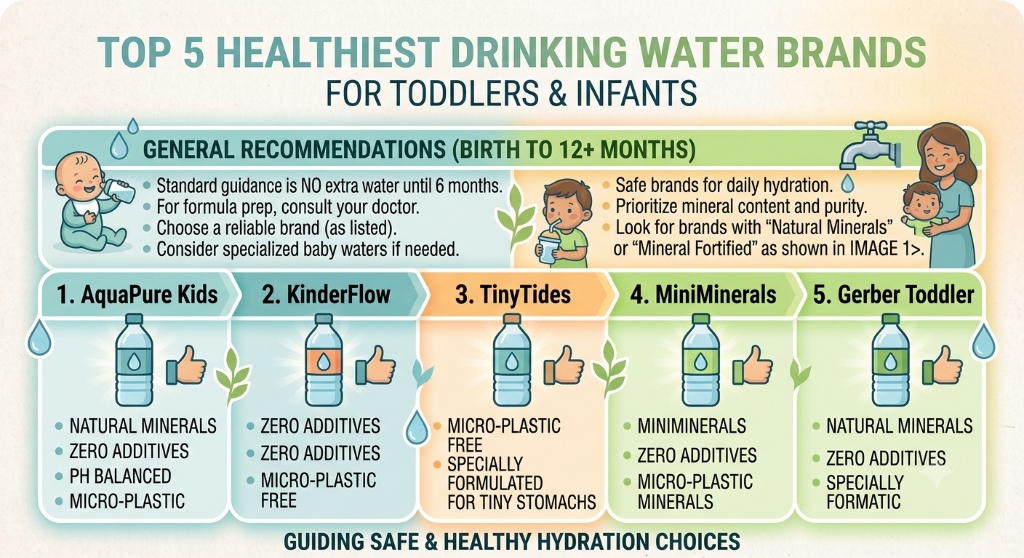
Top 5 Healthiest Drinking Water Brands for Toddlers & Infants
Traveling with a baby? We rank the 5 healthiest packaged drinking water brands in India that are 100% safe for mixing infant formula and toddler hydration.
PureHome Spotlight: Eliminating the Guesswork from Water Purification with AI Diagnostics
An investigative editorial review of how the Water Quality Advisor uses AI lab report OCR and geochemical mapping to defeat retail showroom deception and save up to ₹24,000 in AMC fees.
Why You Need a Data-Driven Approach to Choose a Water Purifier: Inside the AI Diagnostic Engine
Don't gamble with retail showroom guesswork. Discover how Water Purifier Advisor uses localized geochemical data, AI lab report scanning, and algorithmic matching to select the exact filtration technology your home needs.
Avoiding AMC Traps: How to Calculate the True 5-Year Cost of Water Purifiers
Don't fall for subsidized upfront price tags. Learn how to calculate the true 5-year Total Cost of Ownership (TCO) of water purifiers, defeat RFID microchip locks, and save up to ₹17,500 on maintenance.
Can You Use a UV/UF Purifier for Borewell Water? (Read Before Buying)
Thinking about buying a cheaper UV/UF purifier for your borewell water? Learn about the limitations of Ultrafiltration and Ultraviolet tech for high TDS groundwater.
Kent Grand Plus vs Aquaguard Aura: 2026 In-Depth Comparison & Maintenance Audit
Kent Grand Plus vs Aquaguard Aura compared head-to-head: real filtration stages, water recovery, 5-year AMC costs, open vs RFID filter lock-in, and final verdict.
The Dangers of Microplastics in Baby Formula: How to Filter Them Out (2026 Guide)
Discover how microplastics contaminate infant formula through boiling, plastic bottles, and tap water, and learn how Reverse Osmosis and stainless steel eliminate them.
Are IoT Smart Water Purifiers Worth the Hype? A 2026 Buying Guide
Discover if IoT smart water purifiers are worth the investment in 2026. We break down the real ROI, Wi-Fi features, and smart TDS tracking to help you decide.
Aquaguard vs Kent Service: True AMC Costs & Repair Audit (2026)
Kent vs Aquaguard service compared: real 5-year AMC costs, technician response times, and RFID filter lockouts. Find out which brand is cheaper to maintain in 2026.
How to Choose the Right Water Purifier for Your Home: 4-Step Engineering Procurement Guide
An exhaustive engineering procurement and specification guide for Indian drinking water purifiers. Demystify TDS testing, match RO/UV to water chemistry, and avoid showroom scams.
Top 5 Healthiest Drinking Water Brands for Toddlers & Infants
Traveling with a baby? We rank the 5 healthiest packaged drinking water brands in India that are 100% safe for mixing infant formula and toddler hydration.
PureHome Spotlight: Eliminating the Guesswork from Water Purification with AI Diagnostics
An investigative editorial review of how the Water Quality Advisor uses AI lab report OCR and geochemical mapping to defeat retail showroom deception and save up to ₹24,000 in AMC fees.
Why You Need a Data-Driven Approach to Choose a Water Purifier: Inside the AI Diagnostic Engine
Don't gamble with retail showroom guesswork. Discover how Water Purifier Advisor uses localized geochemical data, AI lab report scanning, and algorithmic matching to select the exact filtration technology your home needs.
Avoiding AMC Traps: How to Calculate the True 5-Year Cost of Water Purifiers
Don't fall for subsidized upfront price tags. Learn how to calculate the true 5-year Total Cost of Ownership (TCO) of water purifiers, defeat RFID microchip locks, and save up to ₹17,500 on maintenance.
Can You Use a UV/UF Purifier for Borewell Water? (Read Before Buying)
Thinking about buying a cheaper UV/UF purifier for your borewell water? Learn about the limitations of Ultrafiltration and Ultraviolet tech for high TDS groundwater.
Next Steps: Free Water Tools & Guides
Continue your research with our interactive calculators, AI assessment, and expert buying guides.
Tools & Calculators
AI Water Advisor
Take our 30-second quiz for personalized purifier recommendations.
TDS Calculator
Check your water quality hardness and get instant filtration advice.
Smart Purifier Catalog
Browse our full catalog of water purifiers with advanced filtering.
5-Year TCO Calculator
Compare long-term costs of Buying vs Renting vs Water Jars.
Maintenance Estimator
Avoid AMC traps and calculate your exact 5-year filter replacement costs.
Top Blog Posts & Guides
Top 10 Purifiers in India
Lab-tested rankings of 2026's best purifiers with 5-year AMC costs.
Best RO for Borewell
High-TDS purification systems tailored for hard borewell water.
Best for Municipal Water
Low-maintenance UV/UF purifiers for municipal corporation supply.
Busting Common Myths About RO Purified Water: Clinical Biophysics vs. Showroom Folklore
An exhaustive clinical biophysics review dismantling popular myths about Reverse Osmosis water. Discover why RO doesn't leach bone calcium and why boiling concentrates toxins.
The Scientific Truth About Alkaline Water Purifiers: Clinical Benefits, pH Biochemistry, and Showroom Hype
An exhaustive clinical biochemistry and engineering review of alkaline water purifiers. Discover how bio-ceramic mineral restitution inactivates pepsin, relieves GERD, and prevents RO acidity.
Comments & Discussion
0 Comments