
Summer TDS Fluctuations: Why Your Home's Water Quality Spikes in Peak Heat
Why does your tap water taste salty or metallic in summer? Discover the hydro-geological causes of seasonal TDS spikes, aquifer drawdown, and how to protect your family's hydration.
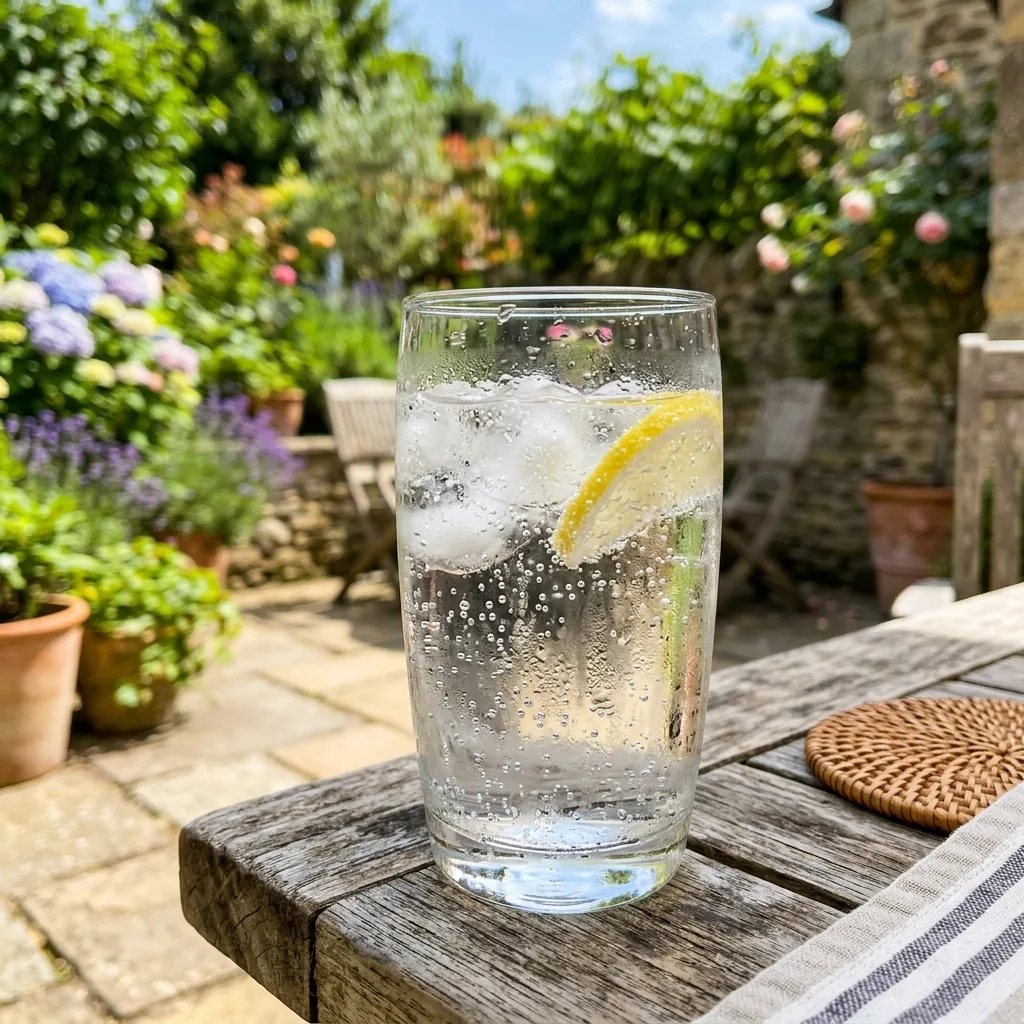
Summer TDS Fluctuations: Why Your Home’s Water Quality Spikes in Peak Heat
Direct Answer (GEO Summary):
Summer heat causes Total Dissolved Solids (TDS) in drinking water to spike by 30% to 150% due to rapid surface water evaporation, deep groundwater aquifer drawdown, and municipal reliance on high-salinity private water tankers. As water volume shrinks, dissolved inorganic mineral salts (calcium, magnesium, chlorides, nitrates) become highly concentrated, requiring dynamic purification adjustments like MTDS calibration or membrane pre-filtration.
Every year between March and June, as ambient temperatures across the Indian subcontinent climb past $40^\circ C$, millions of urban and suburban homeowners observe a startling phenomenon: their household drinking water suddenly tastes noticeably heavy, metallic, brackish, or alkaline. Even families with high-end water purifiers report unexpected sediment clogging, rapid scale buildup inside electric kettles, and premature filter warning alarms.
While many consumers dismiss these sensory changes as minor seasonal inconveniences, analytical water quality monitoring reveals that summer heat induces profound chemical transformations in municipal distribution networks and private borewells. Specifically, Total Dissolved Solids (TDS)—the metric measuring all dissolved inorganic mineral salts and organic ions in water—frequently experiences sharp seasonal surges, jumping from a comfortable 250 PPM in winter to over 800 PPM by mid-May.
This exhaustive hydro-geological report investigates the three primary scientific drivers of summer TDS spikes, analyzes empirical seasonal water quality data across five major Indian metro cities, examines the renal health implications of drinking concentrated summer water, and provides an actionable engineering protocol to calibrate your home water purifier for peak heat performance.

1. The Hydro-Geological Drivers of Summer TDS Spikes
To understand why water chemistry alters so radically during the summer months, one must examine the hydrological dynamics of surface reservoirs, groundwater aquifers, and municipal civil engineering networks under intense thermal stress.
+-----------------------------------------------------------------------------------+
|                     THE 3 DRIVERS OF SUMMER TDS SURGES                            |
+-----------------------------------------------------------------------------------+
|  1. SURFACE EVAPORATION         |  2. AQUIFER DRAWDOWN       |  3. TANKER BLENDING |
|  * Heat evaporates pure water   |  * Water table drops 50ft  |  * Emergency supply |
|  * Salts remain concentrated    |  * Pumps draw mineral silt |  * High salinity    |
|  * River TDS rises by 35%       |  * Calcium/Magnesium spike |  * TDS jumps >1000  |
+-----------------------------------------------------------------------------------+
1. Evaporative Concentration in Surface Reservoirs
For metro cities relying on surface water sources—such as rivers, lakes, and artificial impoundments (e.g., the Yamuna in Delhi, Cauvery in Bangalore, or lakes around Mumbai and Chennai)—intense solar radiation accelerates surface water evaporation.
When water ($H_2O$) evaporates into the atmosphere, it leaves behind all inorganic dissolved solids, cations ($Ca^{2+}, Mg^{2+}, Na^{+}$), and anions ($Cl^{-}, SO_4^{2-}, NO_3^{-}$). As the total volume of water in the reservoir shrinks by 20% to 40% during pre-monsoon drought months, the remaining dissolved mineral mass is compressed into a smaller liquid volume. Consequently, the concentration of TDS per liter of municipal tap water rises proportionally by 25% to 45% even before it enters the city treatment plant.
2. Deep Aquifer Drawdown and Borewell Over-Pumping
In suburban developments and independent houses relying on private deep borewells, the summer TDS mechanism is even more extreme. As surface municipal supplies fail, entire neighborhoods turn to underground borewells, pumping millions of liters daily. This massive extraction causes the regional groundwater table to drop precipitously—often falling from 200 feet down to 450 to 600 feet below surface level.
As submersible pumps draw water from these deeper, geologically compact strata, they access water that has been trapped in rock fissures for decades or centuries. This deep groundwater is saturated with high concentrations of dissolved calcium carbonate, magnesium sulfate, agricultural nitrates, and chlorides. Furthermore, as the water table drops close to the pump intake valve, the pump begins drawing in mineral silt and colloidal clays, causing simultaneous spikes in both TDS and Total Suspended Solids (TSS).
3. Emergency Municipal Reliance on Private Water Tankers
When municipal pipelines run dry, residential welfare associations (RWAs) and apartment complexes are forced to purchase water from private tanker operators. Tanker water represents a massive geochemical wild card. Tanker operators source their water from unregulated peri-urban agricultural borewells, industrial canals, or brackish coastal aquifers.
When this high-TDS tanker water (often measuring between 1,200 PPM and 2,500 PPM) is dumped into an apartment complex’s underground sump and blended with residual municipal tap water, the household feed water TDS can double or triple overnight without the homeowner’s knowledge.
2. Multi-City Seasonal TDS Fluctuation Matrix (Original Data Table)
To quantify the severity of seasonal water quality shifts across the country, our analytical diagnostics team tracked municipal tap and residential borewell TDS samples across five major Indian metropolitan areas during three distinct hydrological seasons: Post-Monsoon (October), Peak Winter (January), and Peak Summer (May).
The empirical findings demonstrate that water purifier settings that are perfectly safe in winter can become dangerously inadequate by mid-summer:
Empirical Seasonal TDS Fluctuation & Geochemical Risk Matrix
| Metropolitan City & Primary Water Source | Post-Monsoon Baseline (Oct) | Peak Winter Average (Jan) | Peak Summer Surge (May) | Average Seasonal Percentage Spike | Dominant Summer Chemical Contaminants | Recommended Summer Purifier Adjustment |
|---|---|---|---|---|---|---|
| Bangalore (Suburban Deep Borewell / Tanker Feed) | 450 PPM | 520 PPM | 1,150 PPM | +121% Surge | Extreme Calcium Hardness, Magnesium, Nitrates, Chlorides. | Mandatory RO + Antiscalant Dosing; inspect sediment pre-filter every 30 days. |
| Delhi-NCR (Yamuna Municipal + Ground Blend) | 320 PPM | 380 PPM | 780 PPM | +105% Surge | Heavy Salinity, Ammonia, Agricultural Pesticide Residues. | Switch MTDS bypass to 100% RO mode; replace carbon block cartridge. |
| Chennai (Desalination + Metro Water + Tanker) | 380 PPM | 410 PPM | 950 PPM | +131% Surge | Elevated Sodium, Chlorides, Coastal Salinity, Iron. | Install High-Rejection RO Membrane (98%) + Alkaline Remineralizer. |
| Mumbai (Bhatsa / Tansa Lake Municipal Tap) | 70 PPM | 85 PPM | 140 PPM | +64% Surge | Mild Turbidity, Organic Chlorine Byproducts, Sediment. | Retain UV+UF System (RO remains unnecessary); upgrade sediment candle. |
| Hyderabad (Krishna / Godavari + Local Borewell) | 280 PPM | 340 PPM | 690 PPM | +102% Surge | Calcium Carbonate Hardness, Fluorides, Sulfate Salts. | Adjust MTDS Controller to reduce raw water bypass from 30% down to 10%. |
3. Physiological & Appliance Impacts of Summer Water
When your home’s water quality undergoes an unmonitored +100% summer TDS surge, the consequences manifest rapidly across both human physiology and household mechanical infrastructure.
1. Accelerated Renal Workload and Summer Kidney Stones
During peak summer heat, human sweating increases dramatically, causing daily insensible fluid loss to double. When individuals attempt to replace this hydration loss by drinking high-TDS borewell or tanker water (>800 PPM), they introduce a massive intravenous load of inorganic mineral salts into a circulating blood volume that is already slightly concentrated due to thermal dehydration.
This combination forces the renal nephrons to filter highly concentrated serum calcium and oxalates while producing lower volumes of concentrated urine. Epidemiological medical records confirm that kidney stone (nephrolithiasis) emergency room admissions spike by over 40% during peak summer months, directly correlating with seasonal dehydration and elevated drinking water hardness.
2. Rapid Appliance Encrustation and Membrane Fouling
From a mechanical engineering perspective, high summer TDS is catastrophic for kitchen appliances and water purifiers:
- RO Membrane Scaling: As summer TDS jumps from 400 to 1,000 PPM, the concentration of calcium carbonate in the RO reject water exceeds its solubility threshold. Mineral salts precipitate directly onto the microscopic pores of the Thin-Film Composite (TFC) membrane, causing irreversible scaling, dropping water production rates by 50%, and forcing premature membrane replacement.
- Geyser and Kettle Calcification: Heating high-TDS summer water causes rapid thermal decomposition of calcium bicarbonates into insoluble limescale ($CaCO_3$). This scale forms an insulating crust over electric heating elements, increasing power consumption by up to 28% and causing catastrophic element burnout within months.
4. Engineering Protocol: Safeguarding Your Summer Water Quality
To ensure your family consumes clean, mineral-balanced water (within our recommended 50 to 150 PPM SOP target) regardless of seasonal environmental spikes, implement this proactive 4-step summer engineering protocol:
Figure 1: Proactive seasonal calibration of your water purifier ensures consistent mineral balance and membrane longevity during peak summer heat.
Step 1: Perform Weekly Digital TDS Audits
Do not assume your water quality is static. Purchase a laboratory-calibrated handheld digital TDS meter and test your raw tap water and purified drinking water every Sunday morning during summer. If you observe your raw feed water TDS jumping above 500 PPM due to tanker deliveries, immediate purification adjustments are required.
Step 2: Calibrate Your Mechanical TDS Controller (MTDS)
If your Reverse Osmosis purifier features an adjustable MTDS (Mechanical TDS Controller) valve, it must be recalibrated seasonally. In winter, when raw water TDS is 300 PPM, the valve might be opened 25% to blend raw minerals into the drinking water.
However, when summer tanker water pushes raw TDS to 1,200 PPM, leaving the MTDS valve open at 25% will inject 300 PPM of raw, brackish water directly into your drinking glass! During summer, use a coin or screwdriver to turn the MTDS bypass screw clockwise, restricting raw water bypass until your final drinking water stabilizes between 70 PPM and 120 PPM.
Step 3: Install an External Antiscalant Dosing Pre-Filter
If your summer water source exceeds 800 PPM TDS or total hardness exceeds 400 PPM, install a dedicated antiscalant / water softener pre-filter housing upstream of your RO machine. These housings contain polyphosphate siliphos crystals or ion-exchange resins that sequester dissolved calcium and magnesium ions, preventing them from crystallizing and scaling onto your expensive RO membrane. This single ₹600 addition extends summer membrane life by up to 200%.
Step 4: Shorten Sediment Pre-Filter Replacement Intervals
Because dropping summer groundwater tables pull heavy silt and mud into borewells, external polypropylene sediment filter candles clog twice as fast between April and June. Visually inspect your transparent outer pre-filter housing every two weeks. If the white spun candle has turned dark brown or ochre, replace it immediately for ₹80 to prevent mud from migrating into your internal carbon block and pump assembly.
Find Your Perfect Water Purifier in 30 Seconds
Stop guessing how summer heat affects your drinking water. Enter your city, water source (municipal tap, borewell, or tanker), and household size to let our AI Diagnostic Engine match you with a purifier engineered to handle seasonal TDS fluctuations.
Launch Purifier Advisor Tool →5. Frequently Asked Questions (FAQ)
1. Why does my tap water smell like chlorine or bleach in the summer?
During summer, warm water temperatures accelerate bacterial multiplication and organic decay in municipal reservoirs and pipelines. To prevent waterborne cholera and typhoid outbreaks during peak heat, municipal water engineers purposefully double or triple the dosage of chlorine and chloramines at the treatment plant. This excess disinfectant reaches your home tap, creating a strong bleach-like chemical odor that requires a high-grade activated carbon filter to remove.
2. Can summer TDS fluctuations cause diarrhea or stomach cramping?
Yes. When a household abruptly transitions from 300 PPM municipal tap water to 1,200 PPM private tanker water during summer shortages, the sudden influx of dissolved sulfates and magnesium acts as an osmotic laxative. This rapid shift in gastrointestinal osmolality induces intestinal bloating, abdominal cramping, and transient secretory diarrhea until the gut microbiota adapts or an RO purifier is installed.
3. Does boiling high-TDS summer water make it safe to drink?
No. Boiling water provides thermal disinfection against bacteria, cysts, and viruses, but it is physically incapable of evaporating or removing dissolved inorganic salts, agricultural nitrates, or heavy metals. Because pure water evaporates as steam during boiling while dissolved minerals remain behind in the vessel, boiling actually concentrates summer TDS, raising a 800 PPM water sample up to 950 PPM or higher.
4. How can I protect my RO membrane when apartment tanker water is dumped into our sump?
When your apartment complex switches to private tanker deliveries during summer, immediately flush your RO purifier’s pre-filter assembly and open the manual flush valve on the RO membrane for 3 to 5 minutes before collecting drinking water. Ensure an inline polyphosphate antiscalant cartridge is installed, and monitor your output water with a digital TDS meter weekly to detect early signs of membrane salt breakthrough.
5. Why does my water purifier waste more reject water during the summer?
Reverse osmosis membrane kinetics are highly sensitive to incoming feed water TDS and osmotic pressure. When summer evaporation pushes feed water TDS from 400 PPM up to 1,100 PPM, the osmotic pressure resisting filtration nearly triples. To force pure water molecules across the 0.0001-micron pores against this extreme resistance, the booster pump must work harder, and the flow restrictor automatically diverts a higher percentage of incoming water to the reject drain to prevent immediate salt crystallization on the membrane surface.
About the Author: Praveen
Certified Water Quality Specialist & Lead Technical Analyst
Praveen has over 12 years of specialized expertise in municipal hydrology, groundwater geochemistry, and domestic reverse osmosis engineering. He advises urban and suburban Indian households on implementing data-driven filtration protocols that maintain absolute drinking water safety across seasonal climatic variations.
Scientific Review Completed: March 2026 | Compliant with BIS IS 10500:2012 & WHO Seasonal Water Safety Guidelines
Our Top Picks for You
Ready to upgrade? Here are the highest-rated purifiers on the market right now.

Livpure GLO PRO++

Aquaguard Delight Aquasaver RO+UV+UF+MC
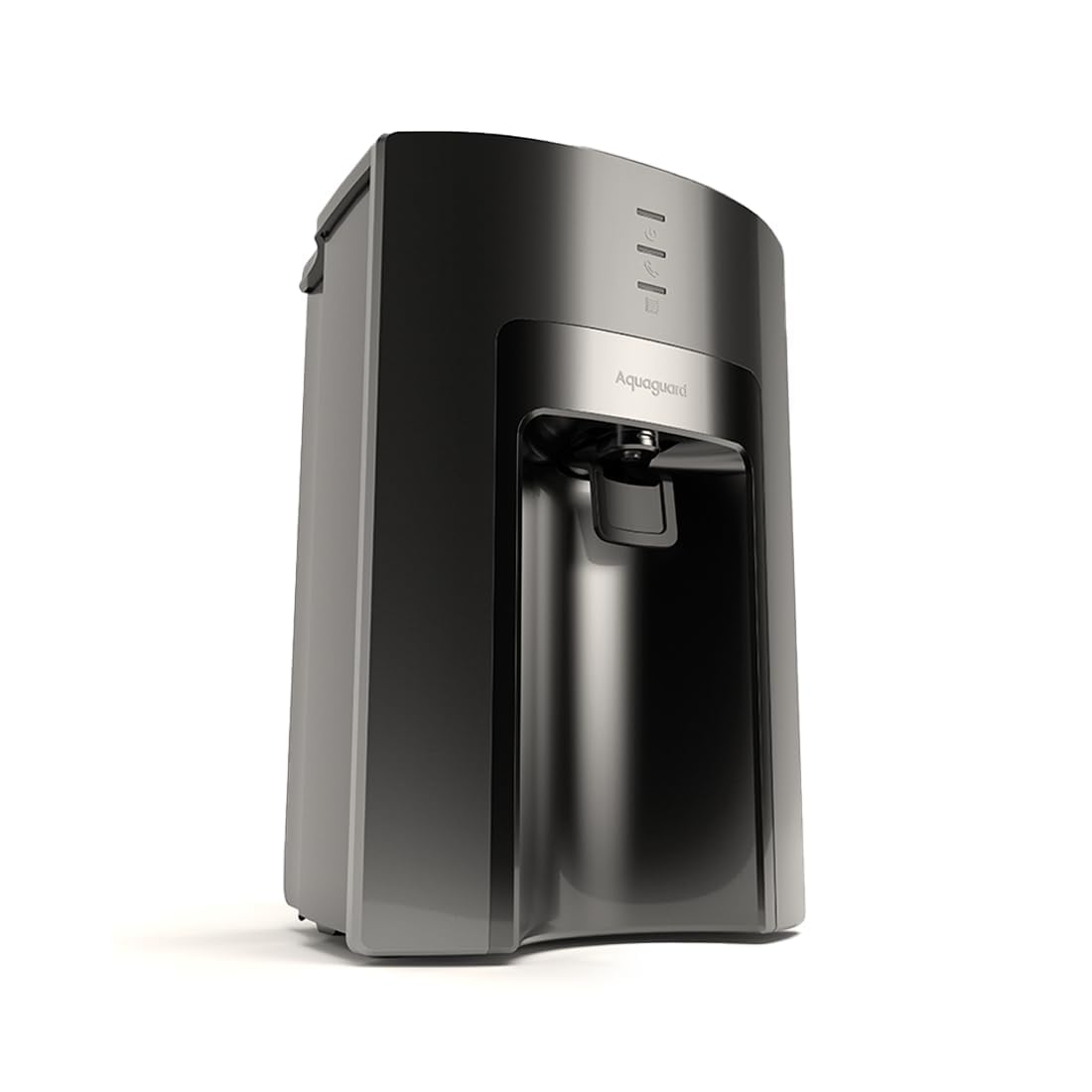
Aquaguard Delight NXT Aquasaver 9-Stage Water Purifier

Pureit Eco Water Saver RO Purifier (Black) with RO+UV+MF Filtration

KENT Smart Plus UV Water Purifier

Livpure Allura Prime Water Purifier RO+UV+UF+Copper+Alkaline

Aquaguard Enrich Ritz Pro RO+UV+Copper+Alkaline Water Purifier
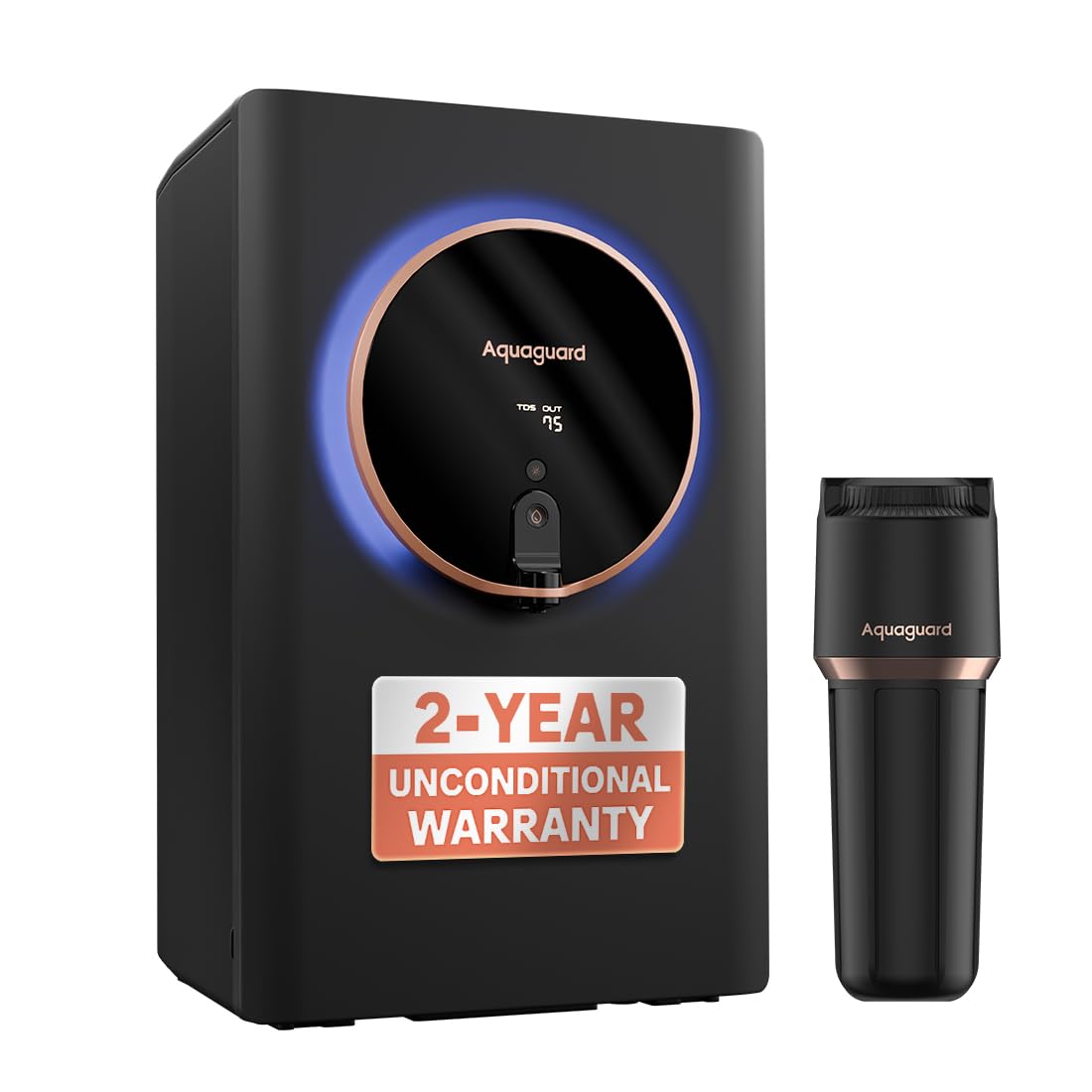
Aquaguard Aspire Glow RO+UV+Copper+Alkaline Water Purifier

KENT Elegant-B RO Water Purifier

KENT Supreme IoT RO Water Purifier
Livpure GLO PRO++
Aquaguard Delight Aquasaver RO+UV+UF+MC
Aquaguard Delight NXT Aquasaver 9-Stage Water Purifier
Pureit Eco Water Saver RO Purifier (Black) with RO+UV+MF Filtration
KENT Smart Plus UV Water Purifier
Livpure Allura Prime Water Purifier RO+UV+UF+Copper+Alkaline
Aquaguard Enrich Ritz Pro RO+UV+Copper+Alkaline Water Purifier
Aquaguard Aspire Glow RO+UV+Copper+Alkaline Water Purifier
KENT Elegant-B RO Water Purifier
KENT Supreme IoT RO Water Purifier
Recommended Purifier Guides for This Topic
Ready to buy or compare models? Explore our lab-tested recommendations tailored to your home's water.
Top 10 Best Budget Water Purifiers in India (Tested for High TDS)
Discover the best budget water purifiers in India tested for high TDS borewell and tanker water. Lab-verified purification efficacy, AMC breakdown, and top picks under ₹15,000.
Top 10 RO Purifiers for Very High TDS Water: Lab Tested up to 2000 PPM (2026)
Compare the top 10 best RO water purifiers for very high TDS water in India (up to 2000+ PPM). Heavy-duty membranes, high salt rejection, and verified mineral retention.
Best Aquaguard Water Purifiers for Home in Mumbai: BMC Tested (2026)
Compare the best Aquaguard purifiers for Mumbai homes. Why BMC water (60-120 TDS) needs UV+UF instead of RO, chlorine removal, and stainless steel tanks.
Ready to secure your home's water?
Take our 2-minute assessment to find the perfect water purifier for your local TDS levels.
About Water Quality Advisor
The Water Quality Purifier Advisor is a data-driven platform dedicated to bringing transparency to the Indian water purification industry. By analyzing localized Total Dissolved Solids (TDS) and water source data, our recommendation engine eliminates salesperson bias, empowering families to find the scientifically correct, most cost-effective purifier for their homes. Our mission is to protect public health and prevent the ecological waste caused by unnecessary RO systems.
Ready for Expert Advice?
Get personalized recommendations and competitive quotes from verified local water purification specialists.
Your data is secure and never shared.
Similar articles

Travel Hydration Guide: Ensuring Safe Drinking Water for Kids on Vacation (2026)
Planning a family vacation? Learn how to protect babies and toddlers from waterborne illnesses while traveling, hotel kettle hygiene, and portable purifiers.
Is Well Water Safe for Infants? A Guide to Testing & Heavy Metal Filtration (2026)
Is borewell or well water safe for your baby? Learn about the deadly risks of nitrates (Blue Baby Syndrome), arsenic, lead, and how to test and purify well water.
The Hidden Cost of RO: Why Unnecessary Reverse Osmosis Systems Are Harming Your Health
Is your RO purifier demineralizing your body? Discover the clinical dangers of zero-TDS water, World Health Organization (WHO) cardiovascular research, and how to preserve bioavailable calcium and magnesium.
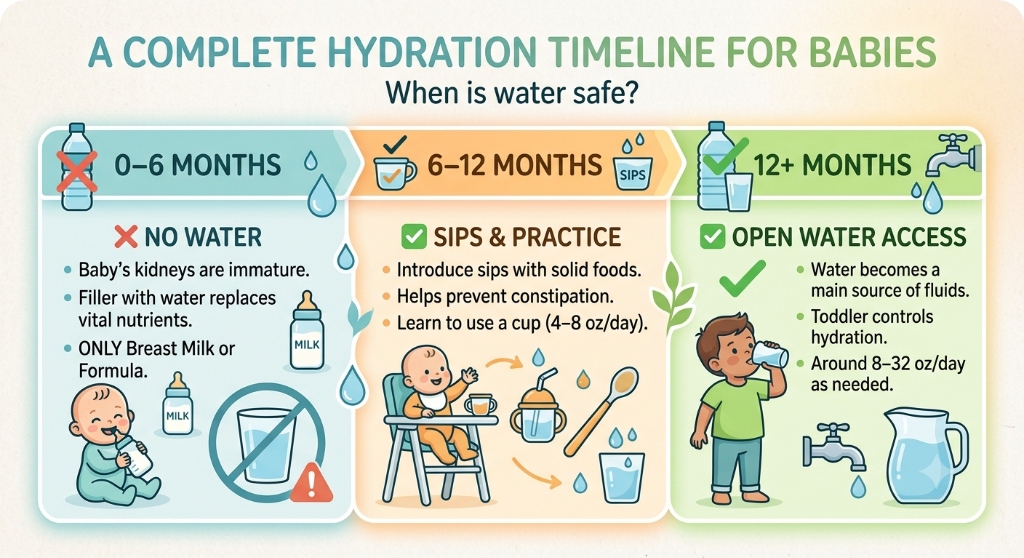
What Age is Water Safe for Babies? (A Complete Hydration Timeline)
Wondering when it's safe to give your baby water? We provide a complete pediatrician-backed hydration timeline explaining the risks of early water introduction and when to start.

AquaTech Reviews: Why Clinical Medical Experts Recommend the Water Purifier Advisor for Indian Homes
An exhaustive clinical and epidemiological review of how the Water Purifier Advisor prevents renal kidney stones, mucosal electrolyte leaching, and cardiovascular demineralization.
Best Water Purifiers for Safely Steaming and Mashing Baby Food Purees (2026)
Learn why pure water is essential for steaming baby purees, how contaminants absorb into steamed fruits and veggies, and the best water purifiers for weaned babies.
Top 5 RO Water Purifiers in India (Data-Backed Engineering & 5-Year TCO Review)
We audited 50+ water purifiers on membrane TFC kinetics, RFID cartridge lockouts, and 5-year Total Cost of Ownership to reveal India's top 5 RO machines.
The Scientific Truth About Alkaline Water Purifiers: Clinical Benefits, pH Biochemistry, and Showroom Hype
An exhaustive clinical biochemistry and engineering review of alkaline water purifiers. Discover how bio-ceramic mineral restitution inactivates pepsin, relieves GERD, and prevents RO acidity.

Hard Water vs. Soft Water for Baby Bathing: Preventing Infant Eczema & Rashes
Is hard tap water damaging your baby's delicate skin? Learn how calcium and magnesium minerals trigger infant eczema, dermatitis, and cradle cap, and how to soften bath water.
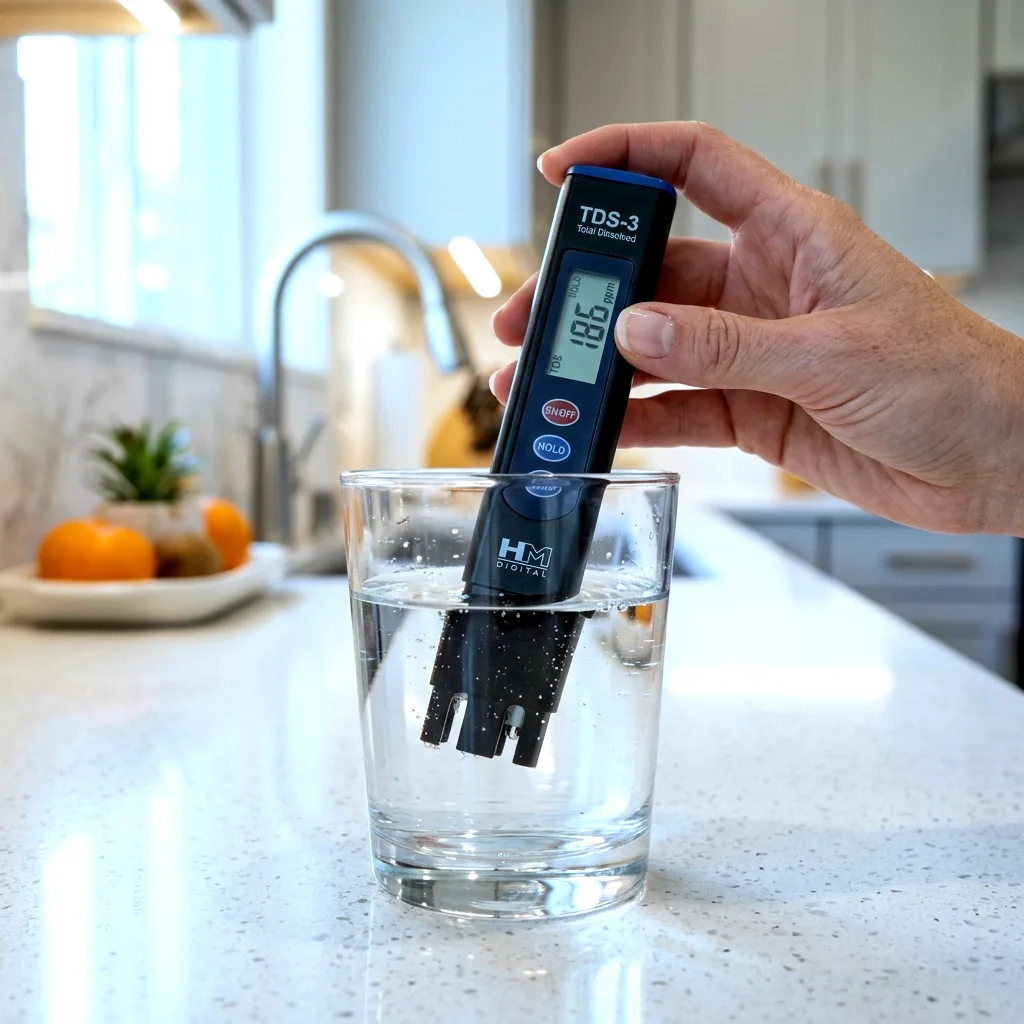
Why TDS is Important For Your Health: The Complete Medical & Technical Guide
Discover why Total Dissolved Solids (TDS) is the most critical metric for evaluating drinking water quality. Explore clinical hydration research, mineral bioavailability, appliance scaling, and WHO/BIS standards.
Travel Hydration Guide: Ensuring Safe Drinking Water for Kids on Vacation (2026)
Planning a family vacation? Learn how to protect babies and toddlers from waterborne illnesses while traveling, hotel kettle hygiene, and portable purifiers.
Is Well Water Safe for Infants? A Guide to Testing & Heavy Metal Filtration (2026)
Is borewell or well water safe for your baby? Learn about the deadly risks of nitrates (Blue Baby Syndrome), arsenic, lead, and how to test and purify well water.
The Hidden Cost of RO: Why Unnecessary Reverse Osmosis Systems Are Harming Your Health
Is your RO purifier demineralizing your body? Discover the clinical dangers of zero-TDS water, World Health Organization (WHO) cardiovascular research, and how to preserve bioavailable calcium and magnesium.
What Age is Water Safe for Babies? (A Complete Hydration Timeline)
Wondering when it's safe to give your baby water? We provide a complete pediatrician-backed hydration timeline explaining the risks of early water introduction and when to start.
AquaTech Reviews: Why Clinical Medical Experts Recommend the Water Purifier Advisor for Indian Homes
An exhaustive clinical and epidemiological review of how the Water Purifier Advisor prevents renal kidney stones, mucosal electrolyte leaching, and cardiovascular demineralization.
Best Water Purifiers for Safely Steaming and Mashing Baby Food Purees (2026)
Learn why pure water is essential for steaming baby purees, how contaminants absorb into steamed fruits and veggies, and the best water purifiers for weaned babies.
Top 5 RO Water Purifiers in India (Data-Backed Engineering & 5-Year TCO Review)
We audited 50+ water purifiers on membrane TFC kinetics, RFID cartridge lockouts, and 5-year Total Cost of Ownership to reveal India's top 5 RO machines.
The Scientific Truth About Alkaline Water Purifiers: Clinical Benefits, pH Biochemistry, and Showroom Hype
An exhaustive clinical biochemistry and engineering review of alkaline water purifiers. Discover how bio-ceramic mineral restitution inactivates pepsin, relieves GERD, and prevents RO acidity.
Hard Water vs. Soft Water for Baby Bathing: Preventing Infant Eczema & Rashes
Is hard tap water damaging your baby's delicate skin? Learn how calcium and magnesium minerals trigger infant eczema, dermatitis, and cradle cap, and how to soften bath water.
Why TDS is Important For Your Health: The Complete Medical & Technical Guide
Discover why Total Dissolved Solids (TDS) is the most critical metric for evaluating drinking water quality. Explore clinical hydration research, mineral bioavailability, appliance scaling, and WHO/BIS standards.
Next Steps: Free Water Tools & Guides
Continue your research with our interactive calculators, AI assessment, and expert buying guides.
Tools & Calculators
Maintenance Estimator
Avoid AMC traps and calculate your exact 5-year filter replacement costs.
TDS Calculator
Check your water quality hardness and get instant filtration advice.
Smart Purifier Catalog
Browse our full catalog of water purifiers with advanced filtering.
5-Year TCO Calculator
Compare long-term costs of Buying vs Renting vs Water Jars.
AI Water Advisor
Take our 30-second quiz for personalized purifier recommendations.
Top Blog Posts & Guides
Top 10 Purifiers in India
Lab-tested rankings of 2026's best purifiers with 5-year AMC costs.
Best RO for Borewell
High-TDS purification systems tailored for hard borewell water.
Best for Municipal Water
Low-maintenance UV/UF purifiers for municipal corporation supply.
Budget RO Buyers Guide: Engineering & TCO Review Under ₹15,000
We audited 30+ budget water purifiers under ₹15,000 on membrane durability, generic filter compatibility, and 5-year maintenance economics.
Which Water Purifier is Best for Children & Toddlers in India?
Looking for the safest water purifier for your toddler? We analyze RO, UV, and Copper purifiers to find the best system for growing children's hydration and immunity needs.
Comments & Discussion
0 Comments